SF Carnaval to draw 500,000 to Mission District, honor freedom and resistance
Carnaval turned the Mission into a 17-block showcase of Latino culture, with 500,000 expected, parade route closures and Muni reroutes.
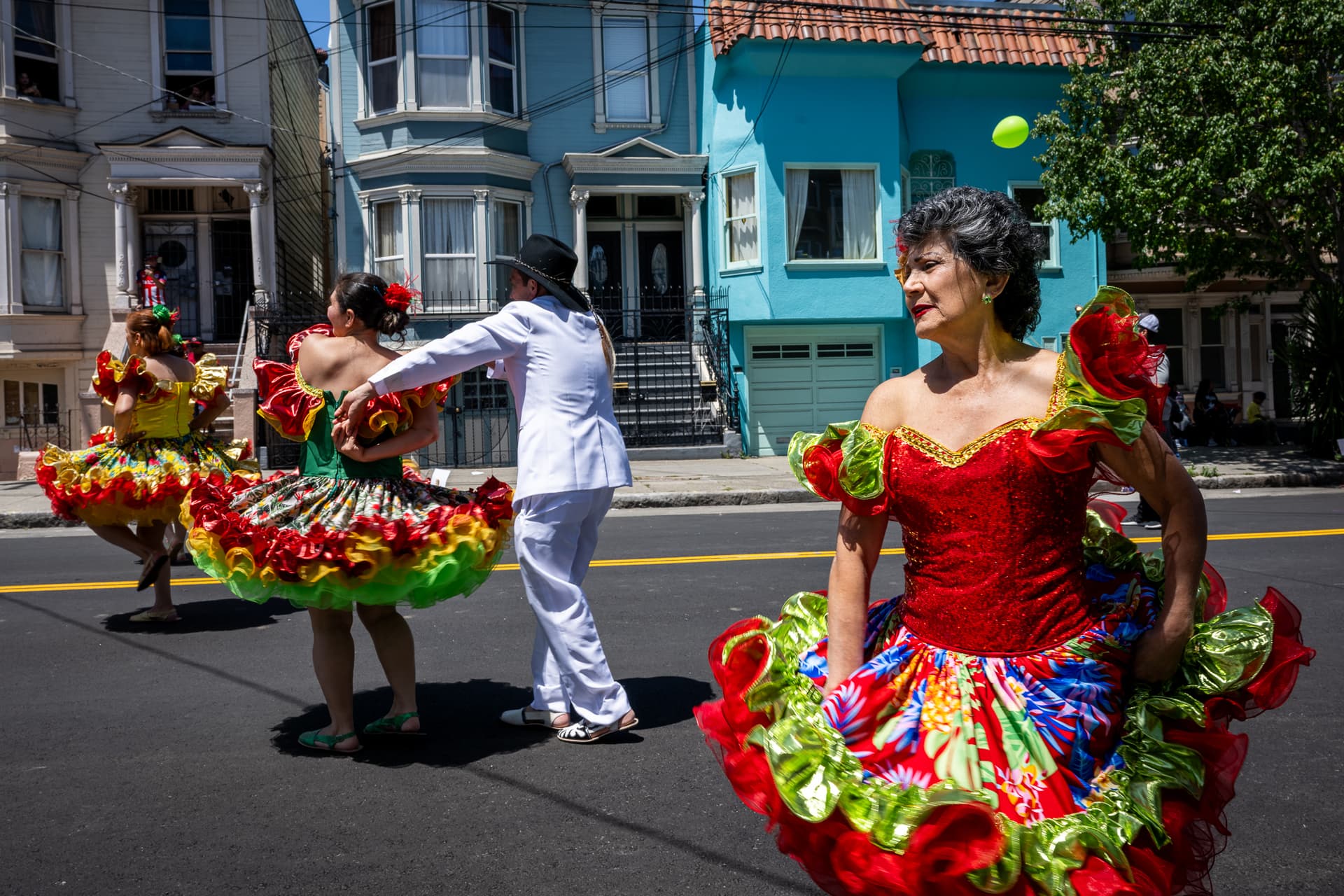
Mission Street became the center of San Francisco’s biggest cultural gathering as Carnaval San Francisco marked its 48th year with a free, family-friendly celebration built around freedom, resistance and the Latino identity that has long defined the Mission District. Organizers expected roughly 500,000 people to pour into the neighborhood for the May 23-24 festival, which city officials describe as the largest multicultural festival on the West Coast.
The Grand Parade began at 24th and Bryant, moved west on Mission Street and then north to 15th Street, turning a familiar corridor into a moving stage for more than 70 contingents, from dancers and musicians to community groups and cultural performers. The weekend program also featured Su Majestad Mi Banda El Mexicano de Casimiro as the headliner, underscoring Carnaval’s mix of street pageantry and live music. Grandstand seating was set up near Gray Area Theatre and at 22nd and Mission, with wheelchair-accessible options available.

On Harrison Street, the festival stretched across 17 blocks between 16th and 24th streets, with five main stages, 60 local performing artists and 300 vendors giving the event both its scale and its neighborhood character. KQED reported that the weekend drew more than 3,000 dancers, musicians and artists, a reminder that Carnaval is not just a parade but one of the city’s most visible showcases for the music, dance and culture of the Latin American diaspora.

The festival’s roots go back to 1979, when it was first held in Precita Park as an effort to honor Carnaval traditions across Latin America and the Caribbean while creating space for local artists. That history still shapes the event’s meaning in the Mission, where organizers, business owners and city leaders frame the celebration as a civic statement as much as a cultural one, especially as neighborhoods face pressure from displacement and the uncertainty that can shadow immigrant communities.

The city has also tied Carnaval to the health of Mission District commerce, urging residents and visitors to support small businesses during the festivities. Calle 24 Latino Cultural District, Mission Lotería and the Mission Merchants Association have backed that push, as Muni rerouted around the parade route and related street closures. The celebration left the Mission doing what Carnaval has done for decades: asserting that the neighborhood’s public life, its businesses and its cultural memory still belong at the center of San Francisco.
This article was produced by Prism’s automated news system from verified source data, official records, and press releases, then run through automated quality and moderation checks before publishing. The system is built and supervised by the people who set the standards it runs under. Read our full AI policy.
Did this article answer your question?