SF City FC turns Kezar farewell into a civic soccer moment
Hundreds packed Kezar in yellow and black as SF City FC’s farewell season exposed a bigger question: who gets to belong in San Francisco’s soccer future.
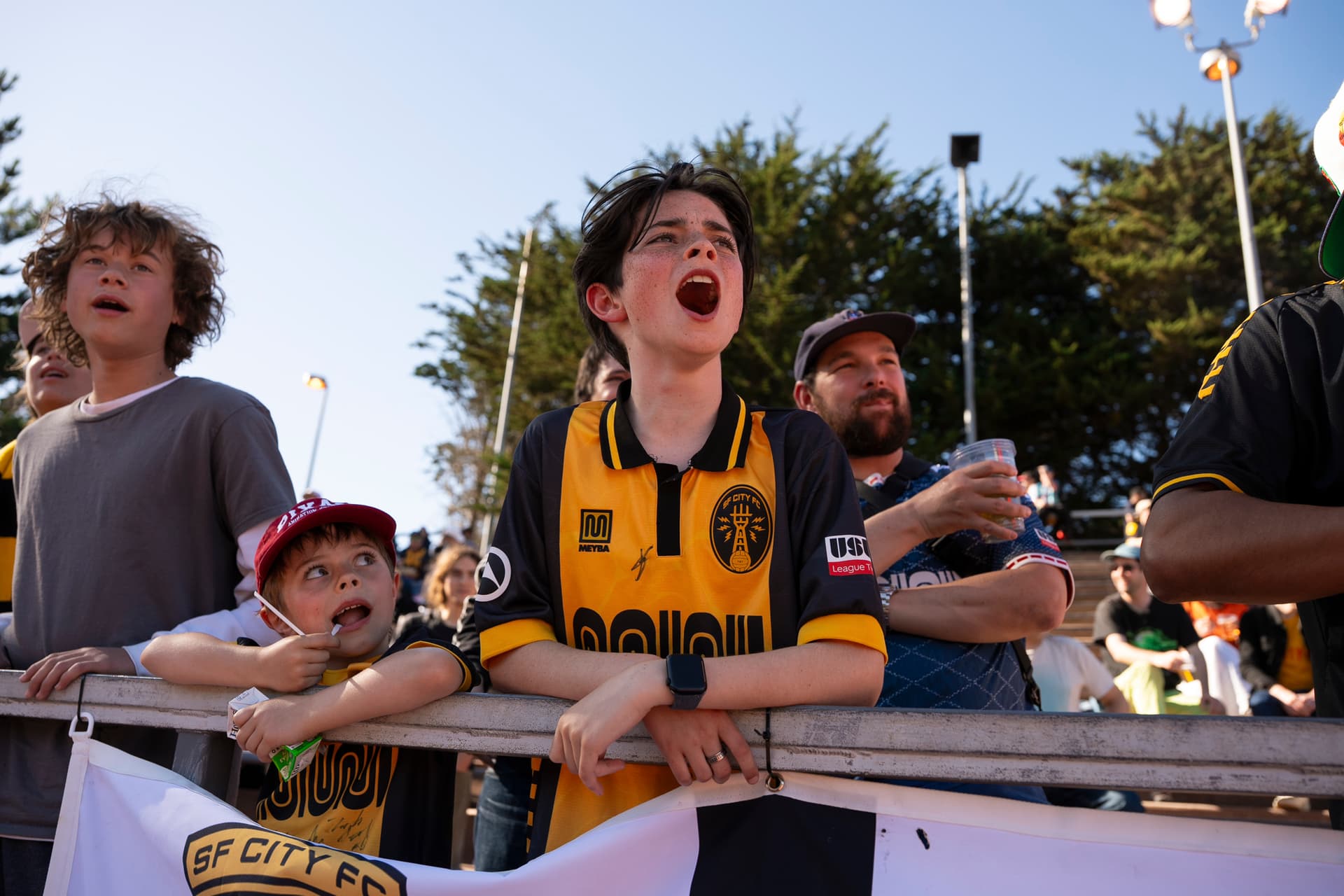
San Francisco City FC’s last full season at Kezar Stadium has turned a neighborhood soccer club into a test of whether the city can keep its game local as World Cup money and branding move in. On a recent Sunday, hundreds of fans filled the Golden Gate Park stadium in yellow and black, waving flags and singing, giving the club the feel of a civic gathering as much as a match.
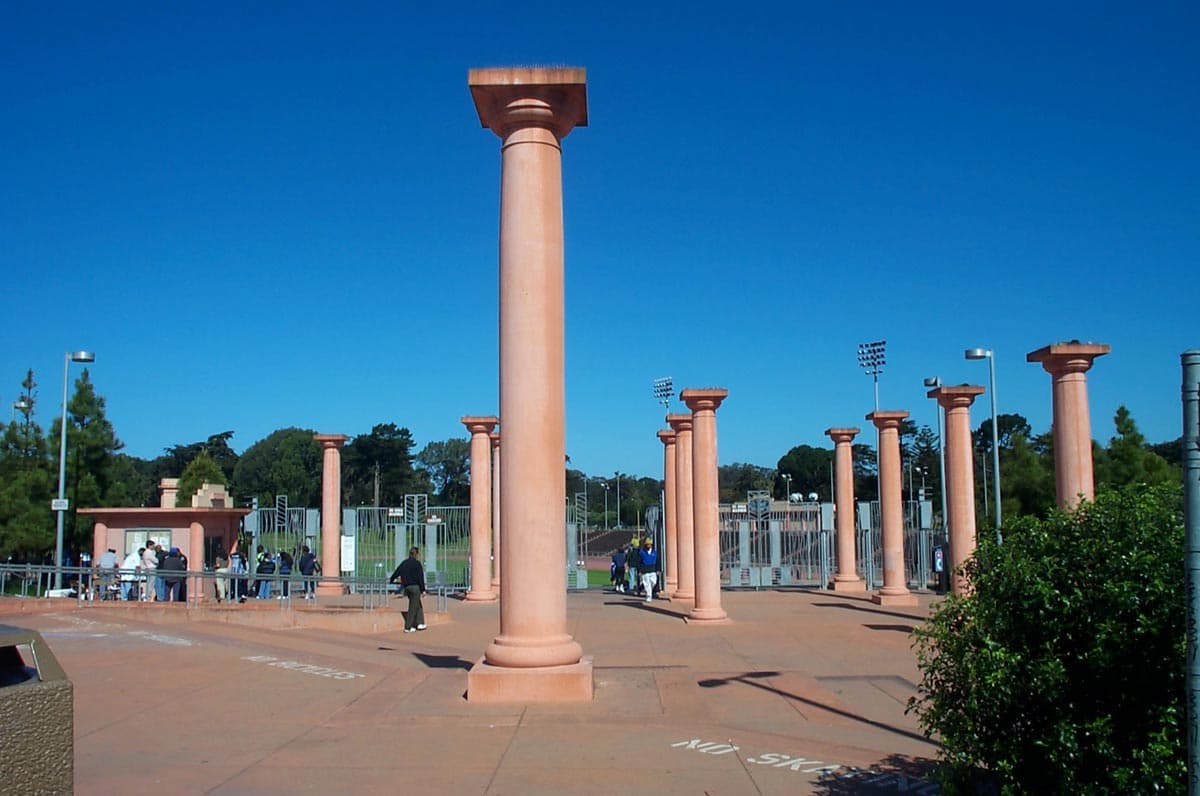
That setting matters because Kezar is not just another venue. It opened on May 2, 1925, is owned by the City and County of San Francisco, and is operated by the San Francisco Recreation & Parks Department. It once served as home to the San Francisco 49ers from 1946 to 1970, and for generations of city residents it has remained one of San Francisco’s most recognizable public sports spaces.
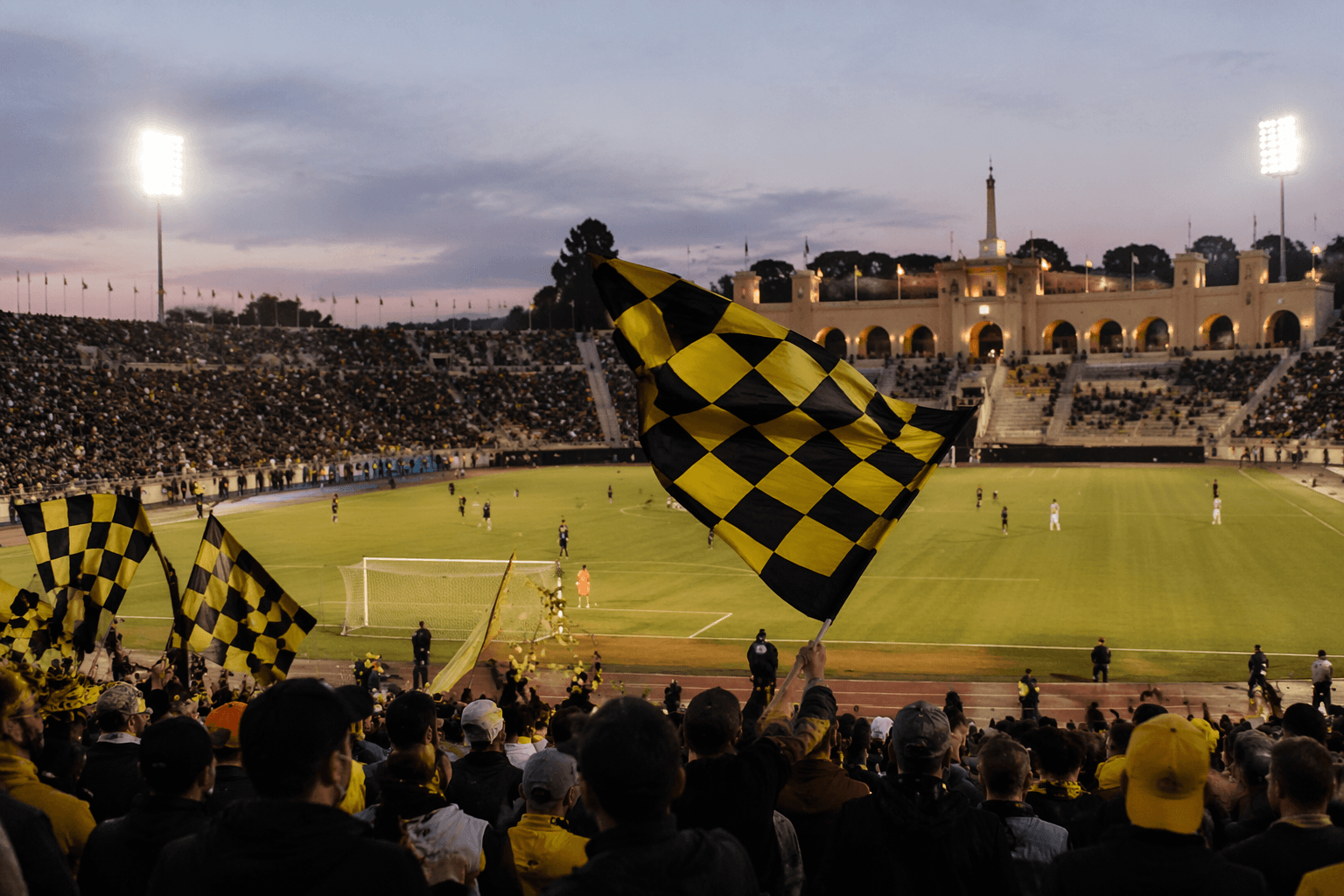
SF City FC has built itself around that sense of place. Founded in 2001 and tied to the San Francisco Soccer Football League the following year, the club says it is the oldest community-owned soccer team in the United States. Its ownership model is based on Germany’s supporter-run 50+1 structure: 51% of the club is held by a nonprofit members organization and 49% by private investors. Members get season tickets and voting rights, a structure that gives fans a direct stake in club decisions rather than the passive role common in pro sports.
The club’s choice to compete in the USL rather than MLS is part of the same identity. It has tried to remain a grassroots operation in a soccer economy that is increasingly shaped by outside capital, sponsorships and political dealmaking. Fans quoted in the story described the club as part of San Francisco itself, tied to local rituals, neighborhood friendships and a sense of belonging that can be hard to preserve once the sport starts chasing bigger markets.
That pressure is only growing. The Bay Area is set to host six FIFA World Cup matches at Levi’s Stadium in Santa Clara in 2026, with California state estimates putting the region’s economic impact at as much as $630 million. The Bay Area Host Committee has estimated that the World Cup, Super Bowl LX and other major events could generate $1.4 billion in total regional impact.
At the same time, San Francisco has already approved a separate deal to bring Golden City FC, a new MLS NEXT Pro club, to Kezar Stadium under a 15-year permit with a $10 million stadium upgrade commitment. For a city that has long sold itself on community identity, Kezar now sits at the center of a larger question: whether San Francisco’s soccer future will still leave room for the fans who built its culture from the ground up.
This article was produced by Prism’s automated news system from verified source data, official records, and press releases, then run through automated quality and moderation checks before publishing. The system is built and supervised by the people who set the standards it runs under. Read our full AI policy.
Did this article answer your question?