SF Filmmaker Kevin Epps Sentenced to Nearly 7 Years for 2016 Fatal Shooting
SF Bay View editor Kevin Epps wept and said "there's no excuse" before a judge sentenced him to nearly 7 years for the 2016 Glen Park killing of Marcus Polk.
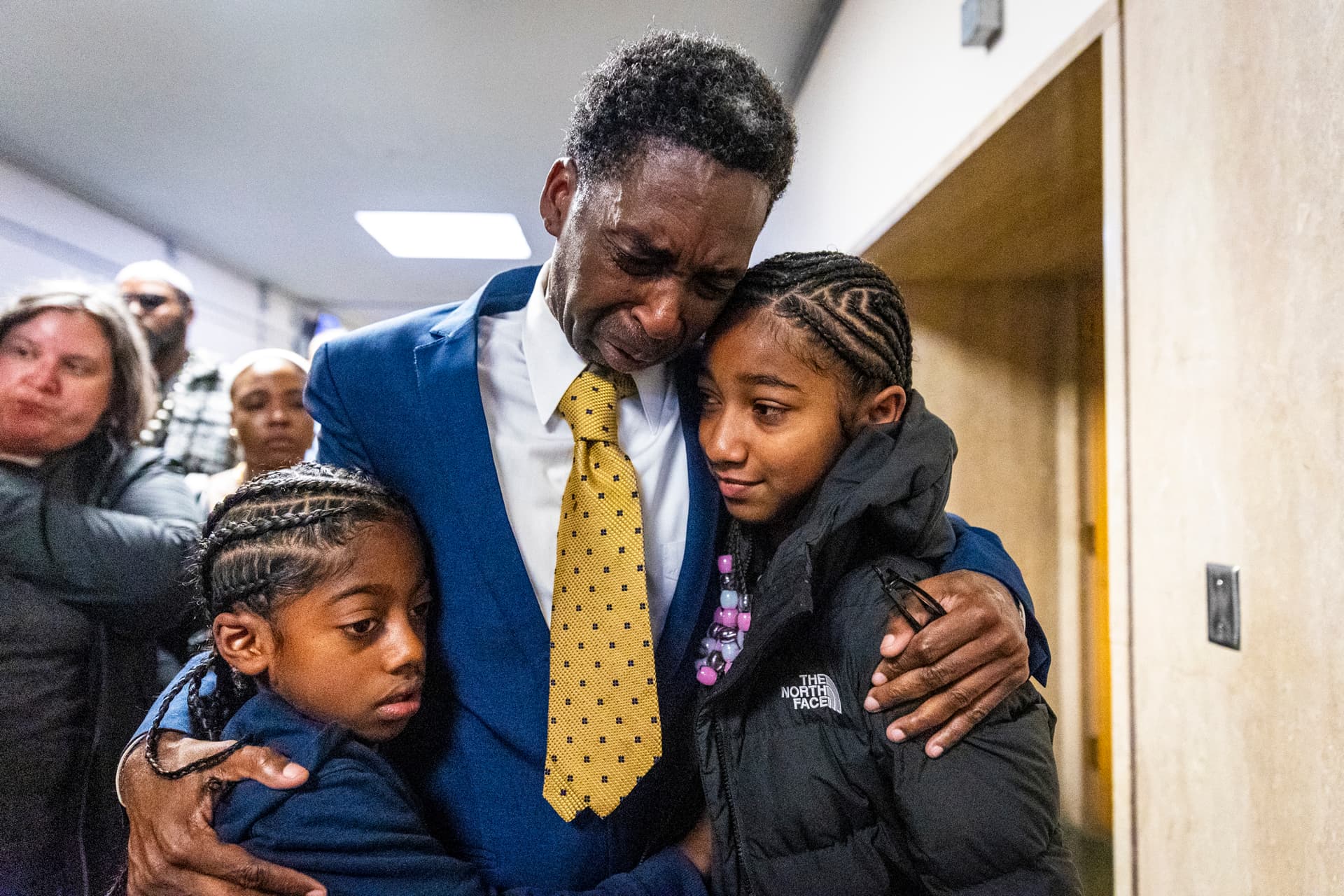
Kevin Epps, the 58-year-old documentary filmmaker and editor of the San Francisco Bay View newspaper, was sentenced Tuesday to six years and eight months in state prison for the 2016 fatal shooting of Marcus Polk in Glen Park, closing a case that had stretched nearly a decade from a single night of violence to a courtroom at the San Francisco Hall of Justice.
Judge Brian L. Ferrall handed down the sentence in Department 13 after hearing statements from both sides. Epps, visibly emotional, read a prepared statement and wept. "There's no excuse for what I've done," he told the court, adding that he prays for Polk's family and asks for forgiveness. He was returned to custody shortly after the sentence was read as those in the gallery reacted with audible emotion.
Polk's family delivered a starkly different accounting of Oct. 24, 2016. One of Polk's daughters addressed the court directly, describing her father as having been killed "in cold blood." According to trial testimony, Polk was the ex-brother-in-law of Epps's former partner and had been a longtime friend and occasional houseguest, a detail that added a particular weight to the proceedings for those who knew both men.
Epps had originally faced a first-degree murder charge. A jury in December 2025 acquitted him of murder but convicted him of voluntary manslaughter, finding that he had not acted with malice yet was not legally justified in using lethal force. The jury also returned guilty verdicts on two counts of being a felon in possession of a firearm, tied to an earlier nonviolent felony on his record. Throughout the trial, Epps maintained he acted in self-defense. Prosecutors from the San Francisco District Attorney's Office pressed for a lengthy sentence; the defense sought no prison time.
The nine-year gap between the shooting and the conviction reflects the grinding complexity of cases built on self-defense claims, aging witness testimony, and forensic evidence. Epps remained publicly active throughout, continuing to work as a filmmaker and community journalist even as the case moved through the courts.
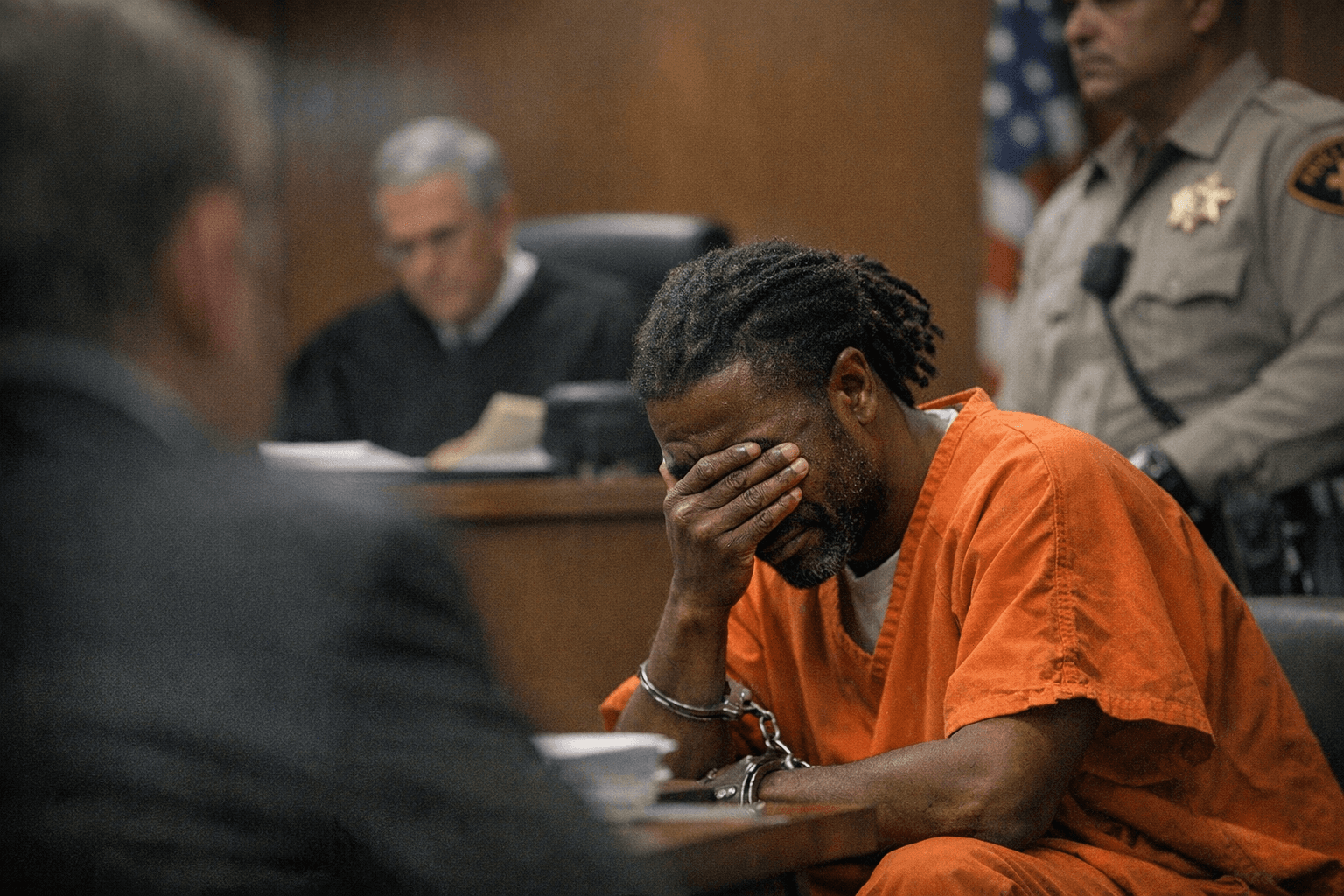
That public identity shaped the sentencing from both sides. Supporters, including activists and clergy who had rallied outside the courthouse during the trial, urged Judge Ferrall toward leniency, citing Epps's contributions to Bay Area journalism and his family responsibilities, while also raising questions about racial disparities in prosecution. Prosecutors and Polk's relatives countered with the human cost of the killing, demanding a sentence that matched the gravity of a life lost.
Epps's defense team announced immediately after sentencing that they will appeal, which means the legal proceedings may extend well beyond Tuesday's outcome. The appellate process will revisit questions the trial only partially resolved: California's self-defense threshold, firearm restrictions for people with prior nonviolent felonies, and how much weight judges should give to community rehabilitation arguments when a victim's family is in the room asking for something else entirely.
Polk's family had waited nearly ten years for accountability. Whether that accounting survives an appeal now falls to a higher court.
This article was produced by Prism’s automated news system from verified source data, official records, and press releases, then run through automated quality and moderation checks before publishing. The system is built and supervised by the people who set the standards it runs under. Read our full AI policy.
Did this article answer your question?