SF Homeowner Faces $50,000 Fine for Trimming Trees on Insurance Broker's Advice
Paul Dennes trimmed five street trees outside his Panhandle home on his insurer's advice. The city fined him $50,000.
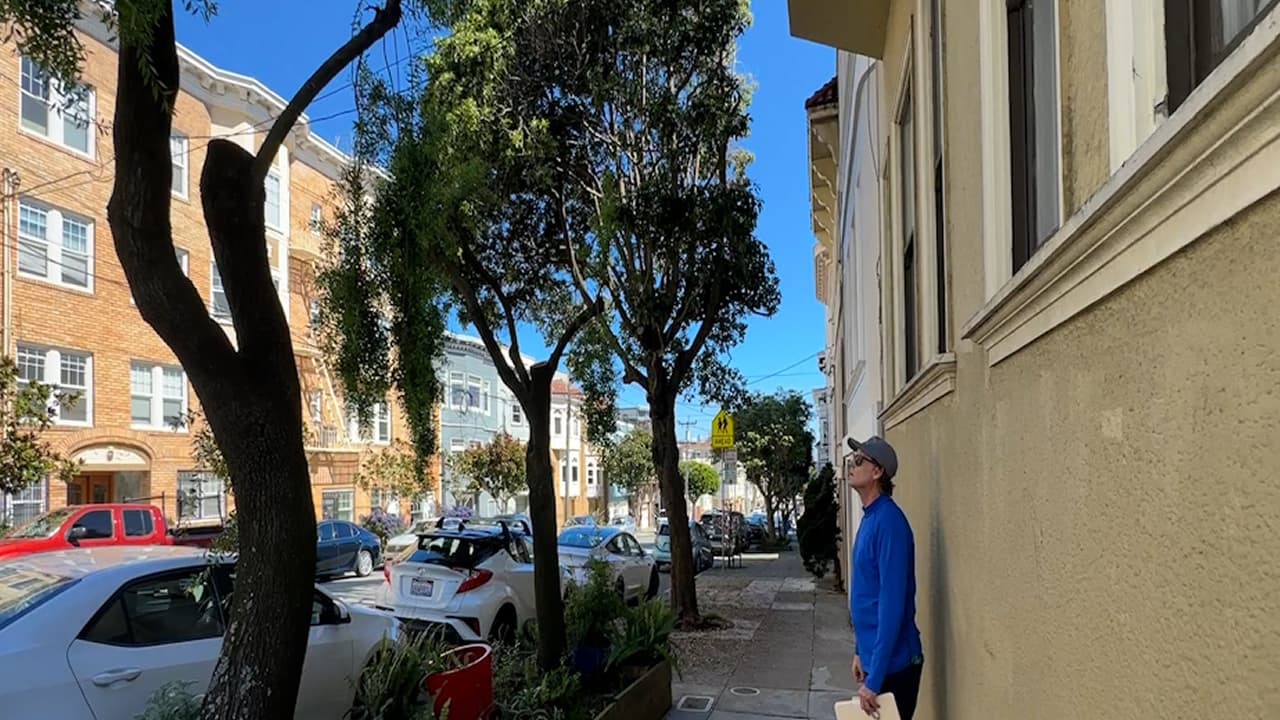
Paul Dennes thought he was doing the right thing. His insurance broker had emailed him saying the trees outside his Panhandle home needed trimming before he could qualify for coverage, with branches touching his building and power lines. He trimmed five of them. Then San Francisco's Department of Public Works delivered five fines totaling $50,000.
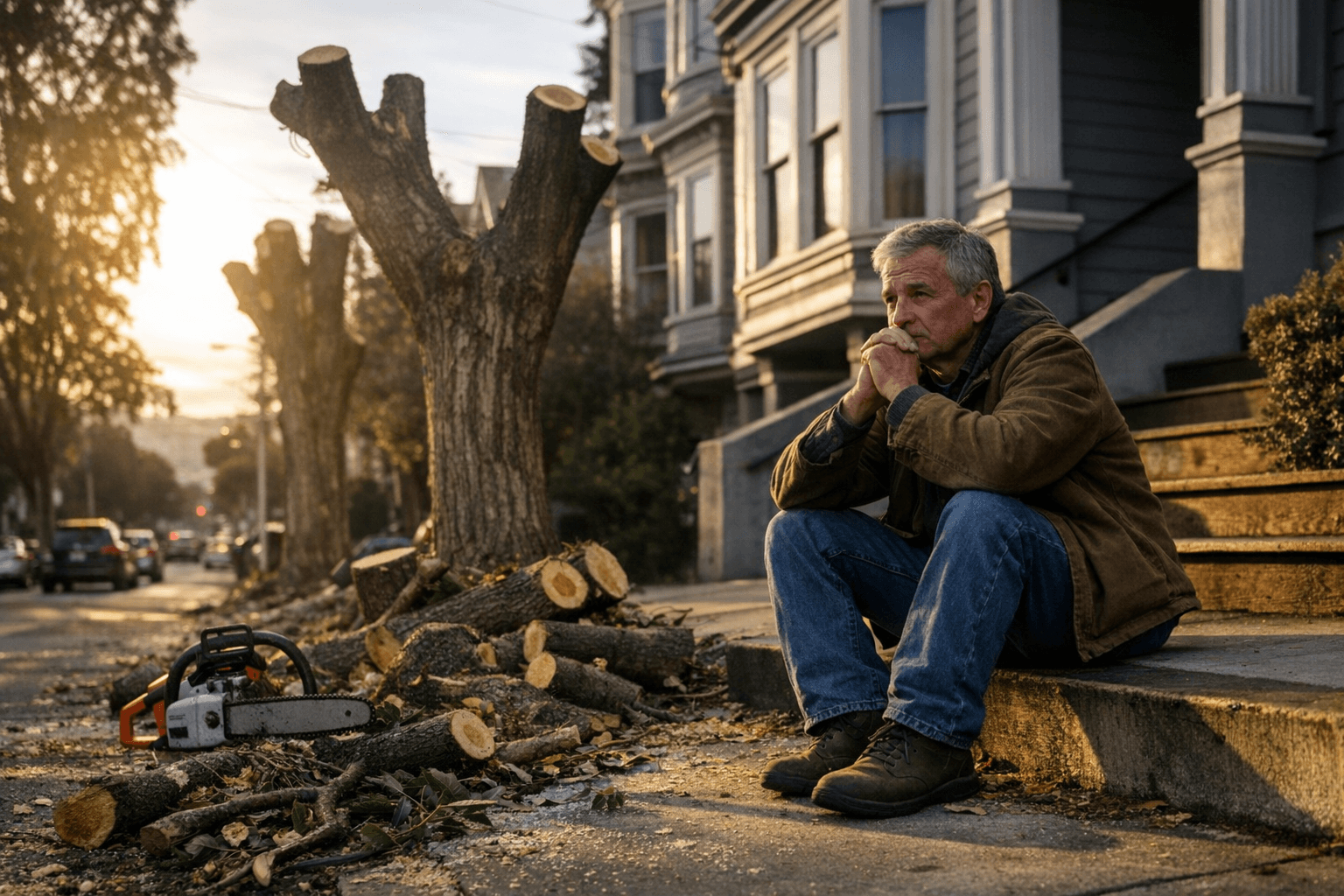
The penalties, set at $10,000 per tree, followed a determination by the Bureau of Urban Forestry that Dennes had illegally pruned city street trees without a permit. The bureau cited the practice of "topping," which removes large sections of a tree's canopy, as especially harmful; it can shorten a tree's lifespan and convert a manageable overhang into a future safety hazard.
Dennes said he hadn't realized the trees belonged to the city. "I got an email from my broker saying in order for you to qualify for insurance you need to trim the trees so many feet from the property," he told ABC7. He called the $50,000 total "brutal" and likened the enforcement to bullying.
Under San Francisco municipal code, street trees in the public right-of-way fall under Bureau of Urban Forestry jurisdiction. Property owners who believe a tree poses a risk to their structure are required to coordinate with the bureau or hire a certified arborist to request permitted work before touching anything. The city assumed stewardship of most street trees through a prior local ballot measure, a responsibility shift that many homeowners remain unaware of years later.
The case surfaces a conflict building quietly across San Francisco neighborhoods: insurers are increasingly requiring homeowners to address vegetation near structures, often on tight timelines, while the city's StreetTreeSF program can lag on scheduling and communication. The combination has left some property owners forced to choose between losing coverage and running afoul of Public Works.
Dennes said he worked with an arborist after receiving the fines and has been navigating administrative hearings to reduce the penalties. Public Works indicated that fines can be mitigated if the owner agrees to a recovery plan and commits to certified ongoing care of the affected trees.
How the case resolves, through administrative appeal or a broader policy adjustment, could determine whether the Bureau of Urban Forestry moves to give homeowners clearer guidance before they find themselves on the wrong end of a $10,000-per-tree citation.
This article was produced by Prism’s automated news system from verified source data, official records, and press releases, then run through automated quality and moderation checks before publishing. The system is built and supervised by the people who set the standards it runs under. Read our full AI policy.
Did this article answer your question?