WhaleSpotter system aims to prevent ship strikes in San Francisco Bay
Thermal cameras now watch the Angel Island shipping corridor for whale blows, giving ferries and cargo ships a chance to slow before a collision.
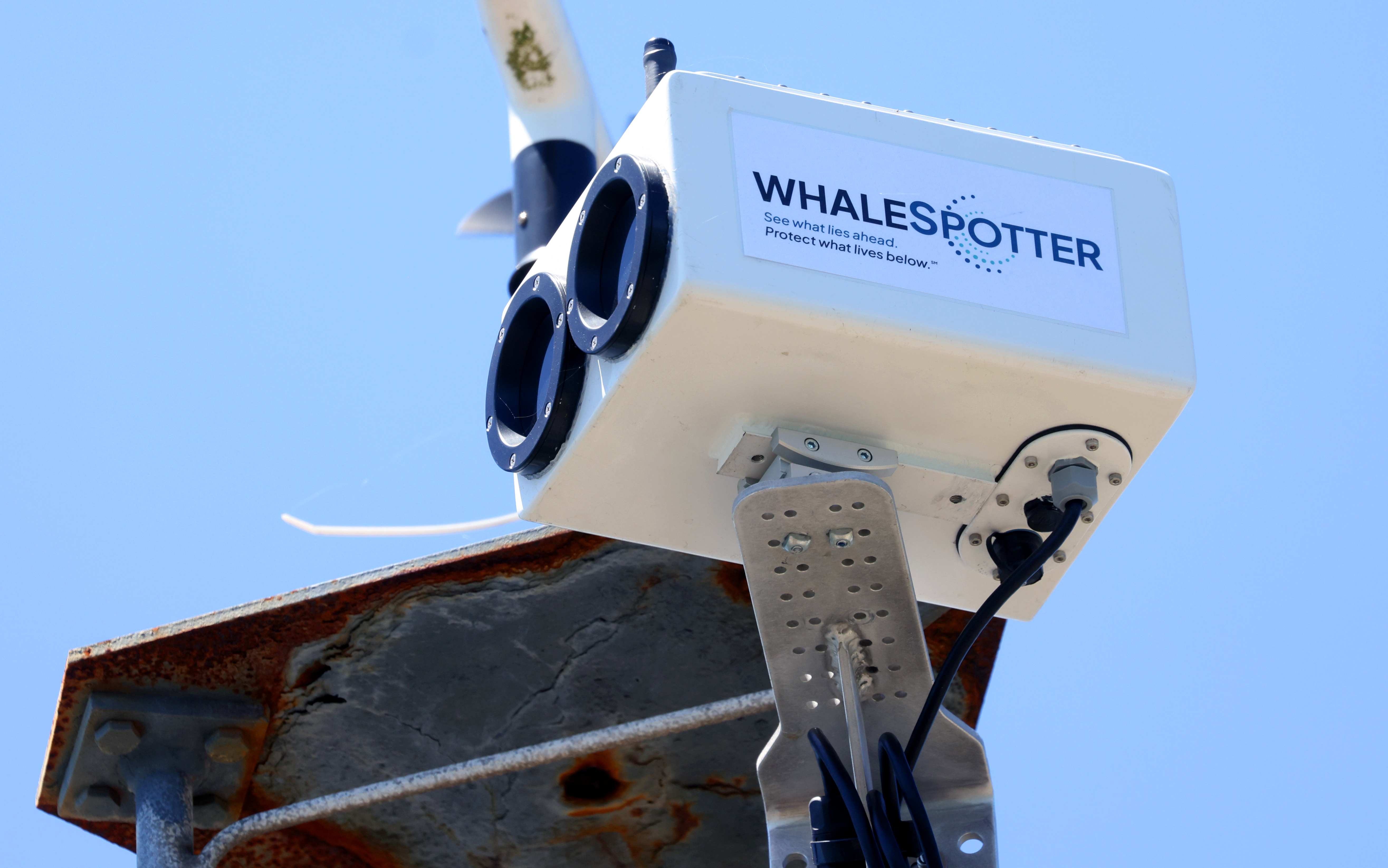
San Francisco Bay’s busiest lanes now have a new set of eyes on them: thermal cameras and software designed to spot a gray whale before a captain does. The WhaleSpotter launch on Angel Island put marine scientist Douglas McCauley and WhaleSpotter CEO Shawn Henry facing the corridor between Angel Island, Alcatraz and Treasure Island, where tankers, ferries and other traffic cross paths with whales.
The system uses Flir thermal cameras and artificial intelligence to scan around the clock for whale blows and heat signatures. When it picks up a possible animal, credentialed marine mammal specialists at WhaleSpotter review the alert before it is sent to mariners. The reported detection range reaches four nautical miles, or about 7 kilometers, giving ferry operators and cargo vessels time to slow down or reroute. Thomas Hall, who directs operations for San Francisco Bay Ferry, said the alerts should let captains change speed or course when whales are present. The system was built with the University of California, Santa Barbara’s Benioff Ocean Science Laboratory, the U.S. Coast Guard’s Vessel Traffic Service and The Marine Mammal Center.
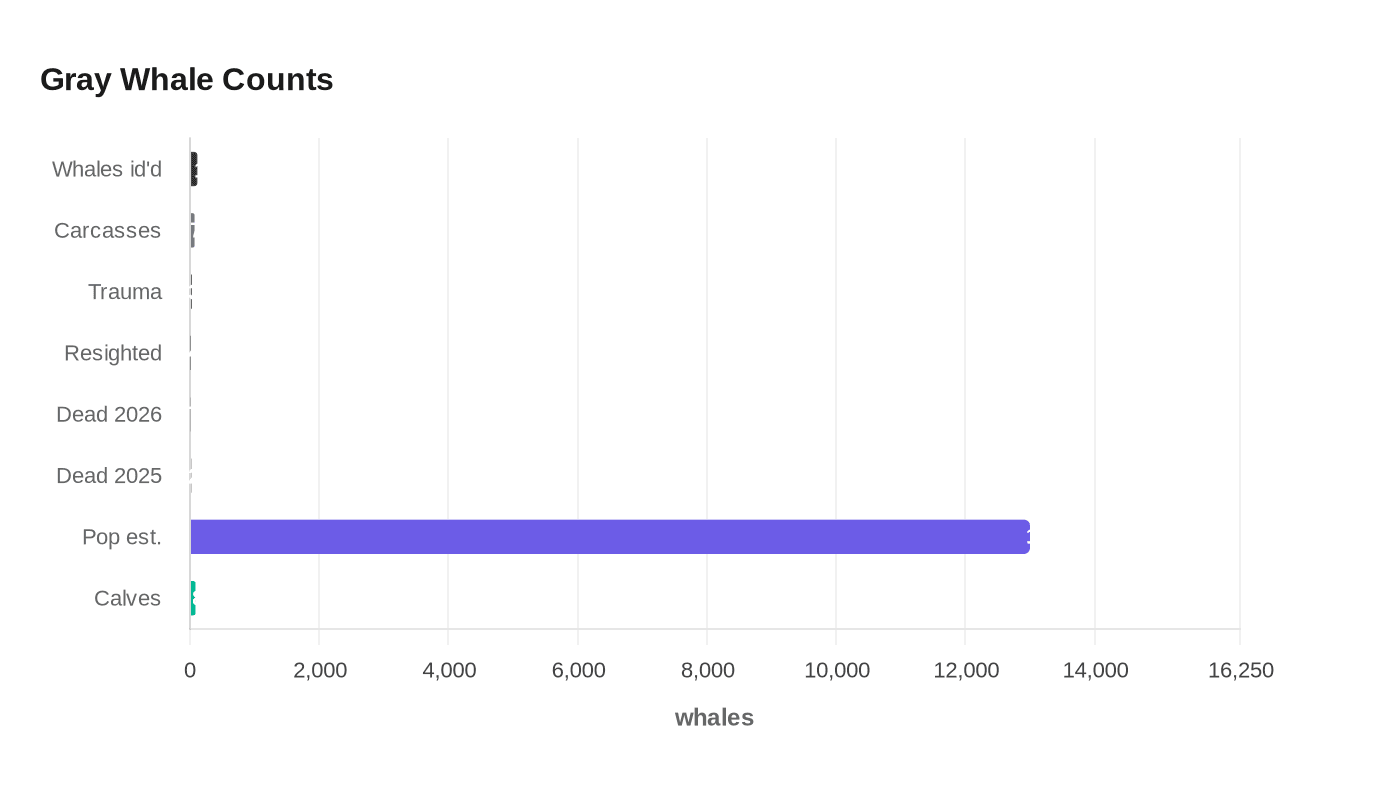
The stakes in San Francisco Bay are no longer theoretical. A study published in Frontiers in Marine Science found gray whales have been seen seasonally in the bay since 2018, identified 114 individual whales from 2018 through 2025 and estimated a minimum mortality rate of 18% among whales documented alive there. Of 70 carcasses examined, 30 showed blunt or sharp force trauma consistent with vessel strikes. Only four whales were resighted in different years, suggesting most are not regular return visitors. By the time the new system launched, at least seven gray whales had already been found dead in 2026, and reporting in May 2026 counted 21 dead gray whales in the wider Bay Area in 2025, the highest total in 25 years, with at least 40% attributed to ship strikes.
Those numbers sit against a much larger decline. NOAA Fisheries estimated the eastern North Pacific gray whale population at about 13,000 in 2025, the lowest level since the 1970s, and said only about 85 calves migrated past Central California that year, the lowest calf count on record. NOAA also said the unusual mortality event that began in 2018 lasted through late 2023. Gray whales travel roughly 12,000 miles round trip between Baja California and Arctic feeding grounds, and scientists say the bay may be functioning less like a routine stop and more like a risky detour as the animals search for food in a changing Arctic.
The question now is whether WhaleSpotter becomes a real safety tool or just another pilot. Its cost is said to be comparable to a traditional ship radar setup, which matters in a working harbor where any new conservation layer has to fit into existing operations. If ferry captains, shipping traffic and the Coast Guard traffic system use the warnings to change behavior quickly enough, the bay could become a little less lethal for a species still trying to move through one of California’s most crowded waterways.
This article was produced by Prism’s automated news system from verified source data, official records, and press releases, then run through automated quality and moderation checks before publishing. The system is built and supervised by the people who set the standards it runs under. Read our full AI policy.
Did this article answer your question?