Aztec Ruins plant guides turn the monument into a living classroom
Aztec Ruins' split plant trail guide turns the monument into a map of survival, linking cottonwoods, native shrubs and invasive salsify to Ancestral Pueblo life.
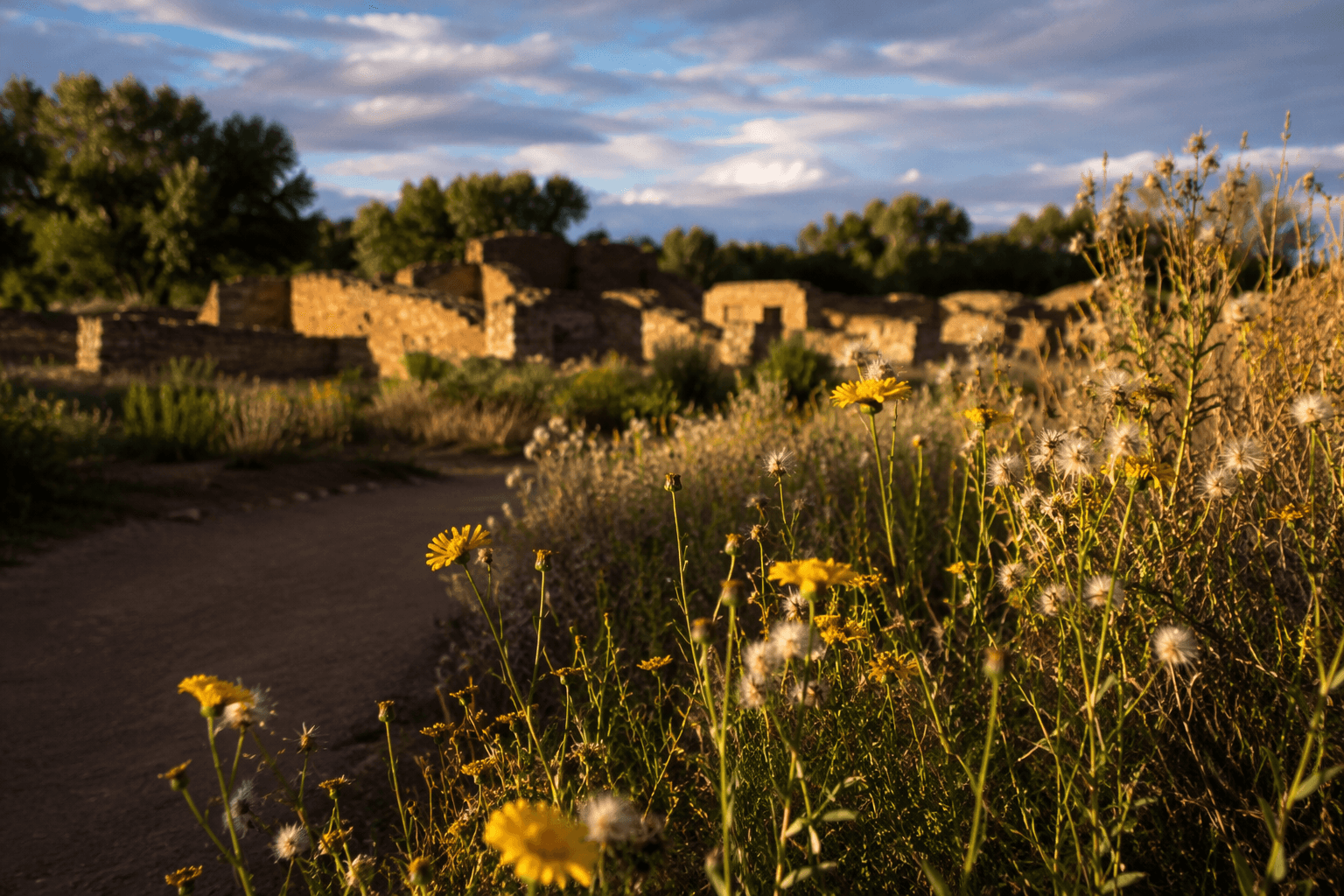
Aztec Ruins National Monument is easier to read when you stop looking only at the masonry. The National Park Service has built a set of plant-focused resources that turns the site in San Juan County into a living classroom, with one trail guide for shrubs and trees and another for grasses, herbs, and succulents. Together they show how the landscape around West Ruin helped shape food, water use, building materials, and daily life in the Four Corners region.
A trail guide built around the landscape
The plant interpretation at Aztec Ruins is organized with unusual care. One National Park Service guide covers shrubs and trees, while a companion guide focuses on grasses, herbs, and succulents, and the park’s broader plants page ties those materials together. That split is more than a formatting choice: it signals that the monument’s landscape is meant to be read layer by layer, from taller woody species down to the low plants that survive in dry ground.
The park’s lesson plans make the goal even clearer. “Identifying Plants” asks students to locate, identify, and describe plants at Aztec Ruins, compare native and cultivated species, and research how Ancestral Pueblo people prepared and used plants. “Using Plants to Meet Basic Needs” goes a step further, asking students to identify basic human needs, describe how the people of Aztec used certain plants to meet them, and consider why some plants were more valued than others. This is interpretation built around survival, not scenery.
What the plants say about life here
The value of the plant guides is that they decode the monument’s ecology in practical terms. In an arid place like Aztec Ruins, plants are clues about water availability, farming strategies, fuel, and construction materials. Cottonwood trees matter because they mark shade and water, not just a pleasant place to sit. Shrubs, grasses, herbs, and succulents each point to a different layer of the environment that Ancestral Pueblo people had to understand and use.
That is why the native plant trail is paired with education materials about basic needs. Plants in this landscape were not ornamental. They were part of a system that supported food, baskets, medicines, shelter, and firewood, and the monument’s interpretive program pushes visitors to think in those terms. The message is simple: the walls at Aztec Ruins make more sense when you understand the land that fed the people who built them.
Where to walk it on the ground
The City of Bloomfield’s visitor information adds a practical way to experience that landscape. It says visitors can picnic in the shade of cottonwood trees, view a heritage garden, and walk either the Old Spanish Trail or the native plants trail. That makes the monument more than a stop for architecture buffs. It becomes a place where a short walk can connect a restored ruin, a garden, and the native plant communities that shaped the site.
Archaeology Southwest notes that only West Ruin is open to visitors and that the half-mile self-guided trail passes through a reconstructed great kiva and original great house rooms with intact timber ceilings. Those features make the plant guides even more useful. The trail does not simply take people past stone walls; it places them in a cultural landscape where the materials underfoot and the plants at the edge of the path are part of the story.
A long-occupied Chacoan landscape
The plant guides also make more sense when placed in the monument’s larger history. A Bureau of Land Management history note puts Aztec Ruins National Monument’s establishment on January 24, 1923. The City of Bloomfield says the site was built as a public ceremonial, economic, and political center around 1100 AD and remained occupied by Ancestral Pueblo people until 1300 AD.
That long occupation matters because it frames the monument as part of a lived-in system, not a frozen ruin. Public tourism and archaeology material describes Aztec Ruins as a Chacoan great house landscape in San Juan County, and the architecture alone does not explain how people sustained life there. The plant guides fill that gap by showing the ecological setting that supported the settlement.
Why the invasive-plant report matters
The park’s plant work is not limited to interpretation. An NPS natural-resource technical report, Inventory of Exotic Plant Species Occurring in Aztec Ruins National Monument, numbered NPS/SCPN/NRTR-2010/300, documents the monument’s invasive-plant challenges. On that inventory, common salsify, or Tragopogon dubius, is identified as one of the most widespread exotic species found in the monument.
That detail matters because it shows the park is managing a living landscape, not just preserving ruins. The native plant trail highlights what belongs in the ecosystem and what tells the story of Ancestral Pueblo life. The exotic-plant inventory shows the other side of that equation: species pressure, restoration work, and the need to protect the native setting that gives the monument its interpretive value.
A resource built for students and visitors alike
The education side of the monument has been around for years. ERIC lists a teacher’s guide for Aztec Ruins National Monument for grades 4-7 with a 1999 publication date, underscoring how long the site has been used as an outdoor classroom. The newer plant materials build on that tradition by giving visitors a way to connect botany with archaeology in a few concentrated stops rather than a full classroom unit.
That is what makes the plant guides so effective in San Juan County. They do not compete with the stone walls and great kiva at West Ruin; they explain them. Cottonwoods, native shrubs, grasses, herbs, succulents, and even invasive species all help translate Aztec Ruins from a monument of masonry into a place where environment, farming, food, and building materials shaped daily life for centuries.
This article was produced by Prism’s automated news system from verified source data, official records, and press releases, then run through automated quality and moderation checks before publishing. The system is built and supervised by the people who set the standards it runs under. Read our full AI policy.
Did this article answer your question?