Salmon Ruins library preserves 17,000 regional research materials
Salmon Ruins is more than a view of ancient walls: its library holds 17,000-plus regional research materials that support students, scholars and families across San Juan County.
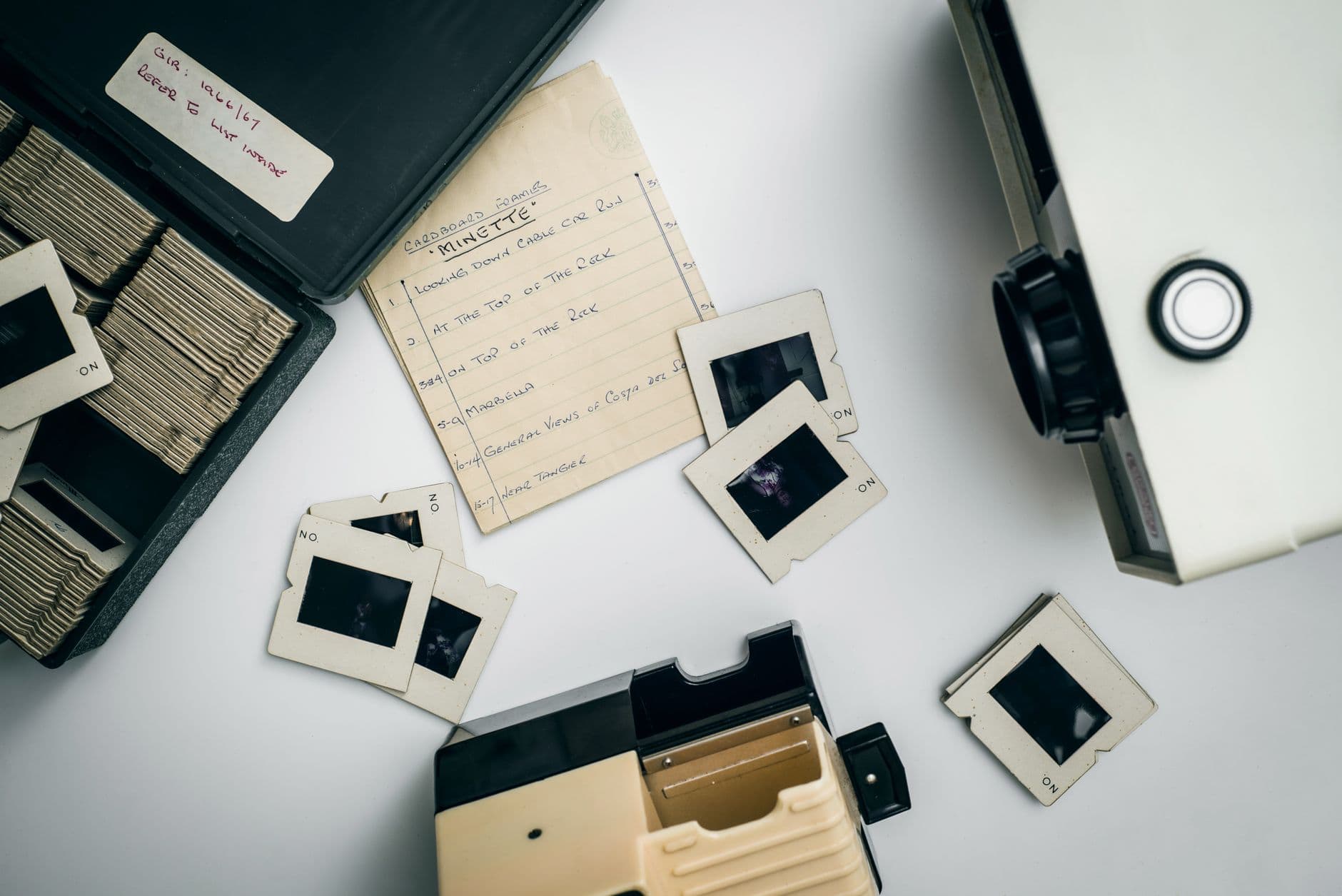
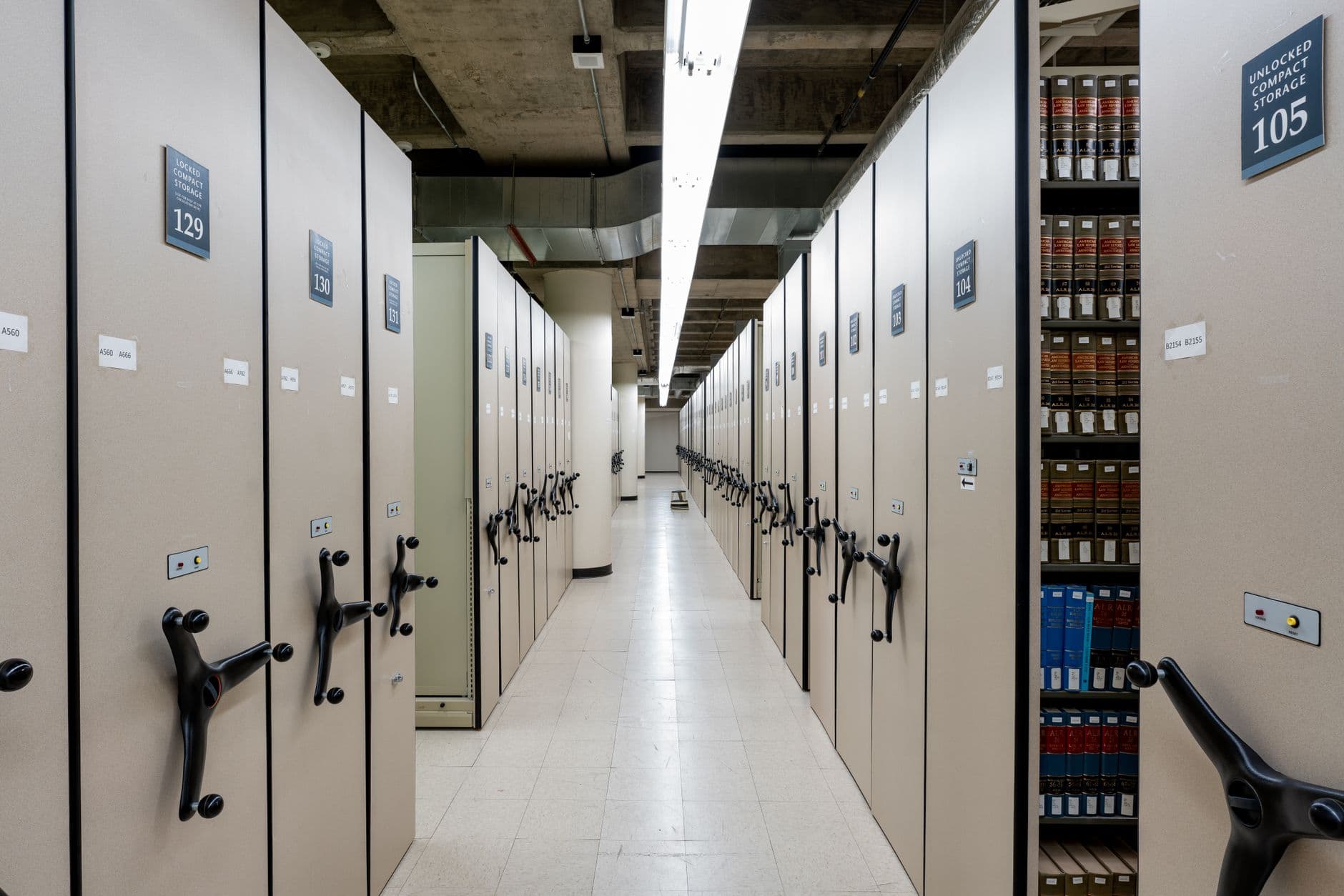
Salmon Ruins draws visitors for the visible pueblo walls, but its deeper value in San Juan County sits inside the San Juan County Archaeological Research Center and Library. San Juan College describes the collection as more than 17,000 books, periodicals and technical reports, with strengths in archaeology, anthropology, geology and regional history. That makes the site a working research asset for students, educators, historians, archaeologists and family researchers who need reliable background on the Four Corners region.
What the library holds
The collection’s size matters because it is broad enough to support many kinds of inquiry, not just one narrow field. Its subject strengths reach from archaeology and anthropology into geology and regional history, which means the shelves can support questions about settlement patterns, material culture, landscapes and the human record of the San Juan Basin. The special focus on the Ancestral Pueblo people gives the library a clear center of gravity and makes it especially useful for readers tracing the history of the Middle San Juan River valley and the larger Four Corners area.
That mix of materials gives the library a practical role in the local knowledge economy. A student working on a class project, a teacher building a lesson, an archaeologist comparing site reports, or a family researcher looking for regional context can all find different kinds of records under one roof. At a site like Salmon Ruins, the value is not only what stands above ground. It is also what has been collected, organized and kept accessible for long-term use.
A site built for more than sightseeing
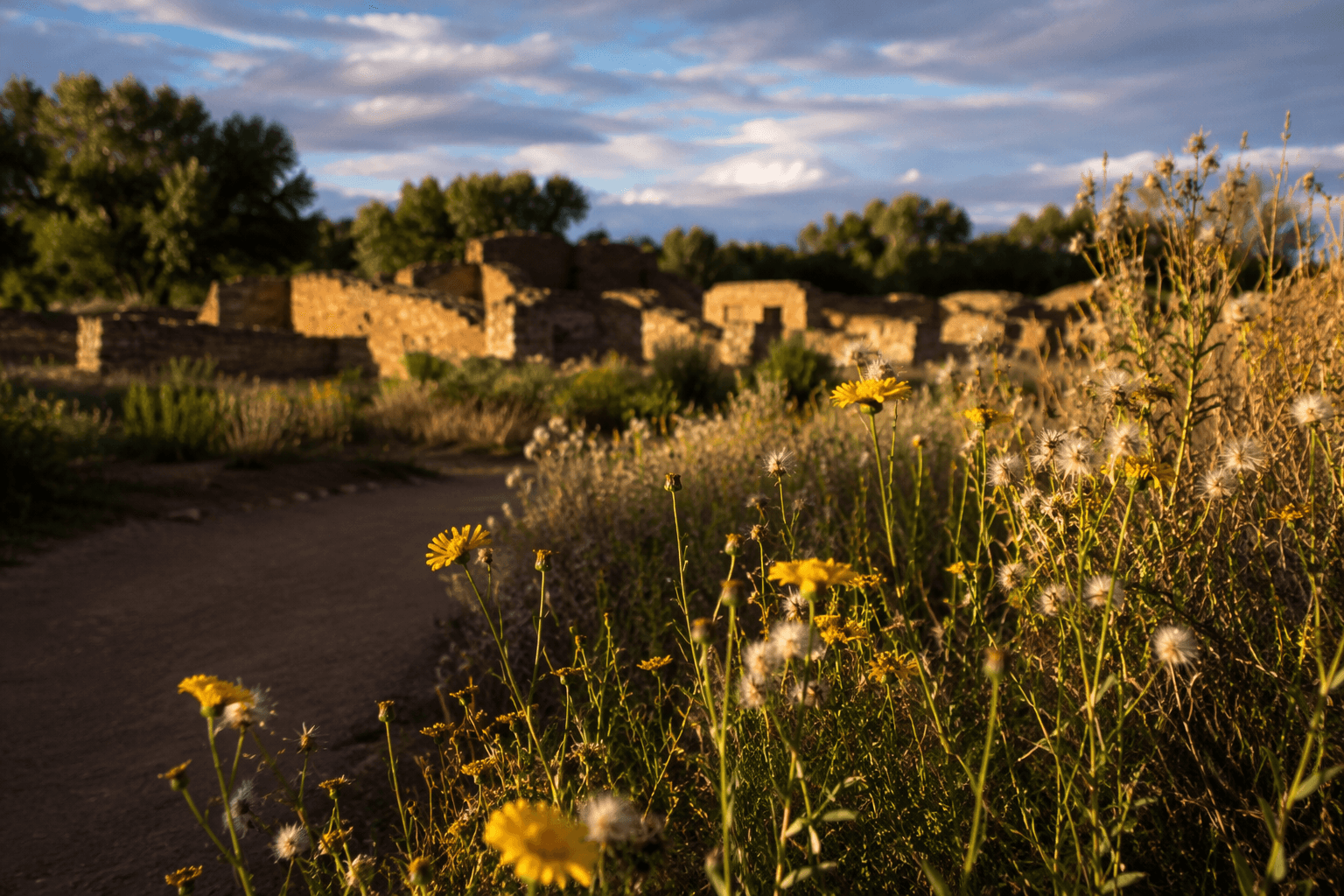
Farmington Area Visitor Information lists Salmon Ruins as home to a cultural museum, Heritage Park, Journey Into the Past tours and the San Juan County Archaeological Research Center & Library. That combination shows why the site works as more than a quick stop at a ruin wall. It functions as a public educational stop, a guided interpretive site and a specialized research center at the same address, 6131 Hwy. 64, Bloomfield, NM 87413.
The visitor listing also gives the practical details people need when planning a visit: the phone number is 505-632-2013. In a county where heritage sites can be treated as scenery, Salmon Ruins stands out because interpretation and research are built into the same place. The museum tells part of the story, Heritage Park expands the setting, the tours add guided context, and the library extends the site’s usefulness far beyond the hour of a visit.
The archaeology behind Salmon Pueblo
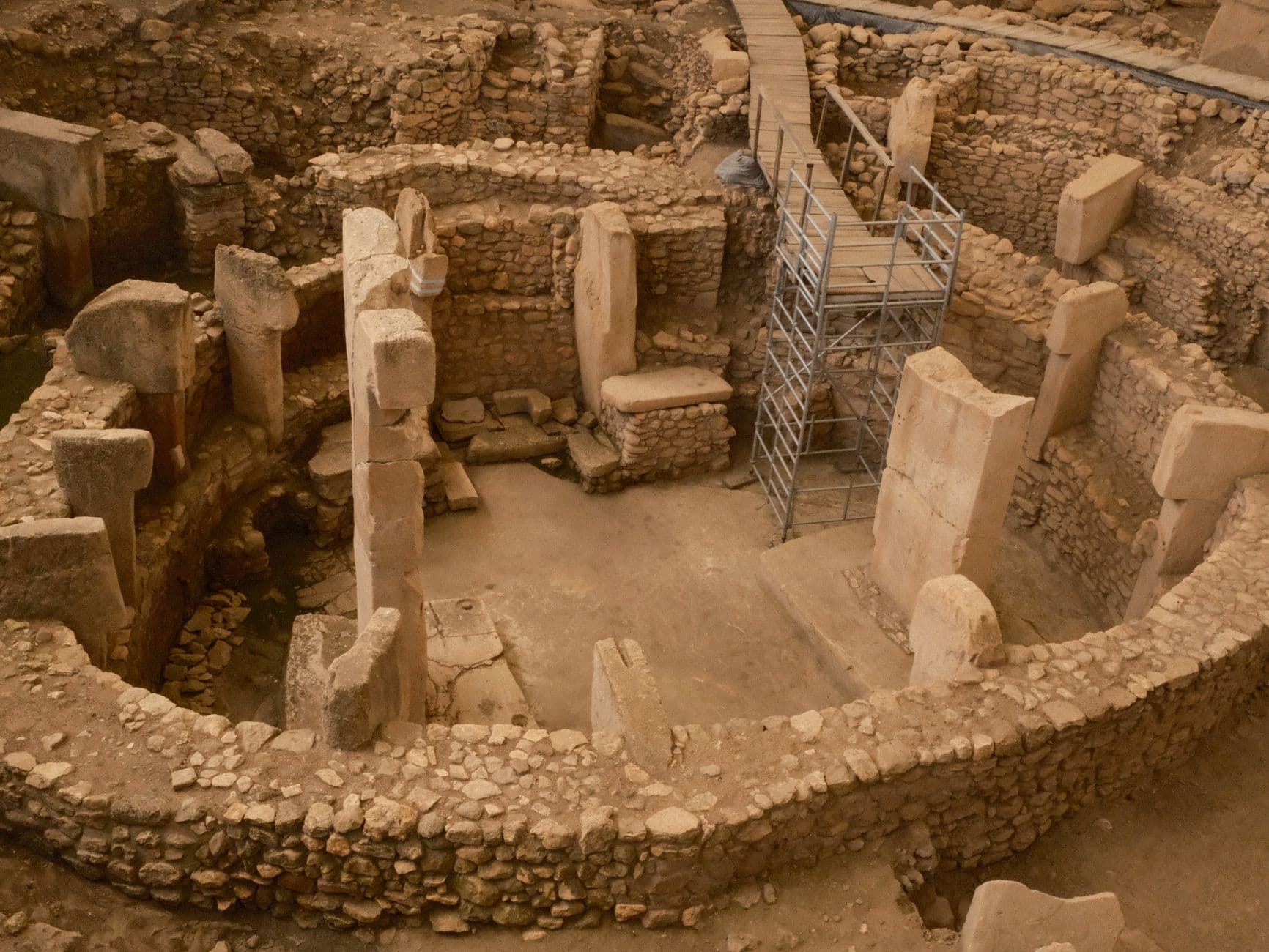
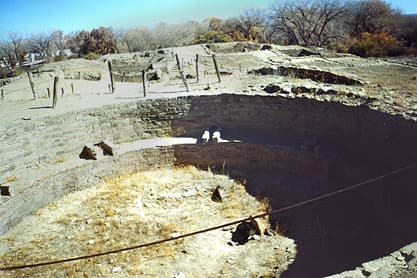
The research value of Salmon Ruins makes more sense when placed in the history of Salmon Pueblo itself. The Salmon Pueblo Archaeological Research Collection, or SPARC, says the ancient center was built around 1090 CE on the north bank of the San Juan River, about 45 miles north of Chaco Canyon near modern Farmington. SPARC’s stated goal is to preserve, publish and promote understanding of Salmon Pueblo as an ancient cultural center.
That context is what separates this site from a generic historic attraction. The ruins sit within a larger story of regional settlement, trade, building and cultural change in the San Juan Basin. The library’s focus on archaeology, anthropology, geology and regional history lines up with that story, because the site is not just preserving architecture. It is preserving the evidence needed to interpret why a large pueblo rose there and how scholars have understood it over time.
A long paper trail of research
Salmon Ruins has been a formal subject of archaeological reporting for decades. The National Park Service’s Archaeological Completion Report Series, Number 8, titled “Salmon Ruin Archaeological Investigations,” was prepared in 1975 and names Cynthia Irwin-Williams alongside Rex Adams and Paddy C. Johnson. That report places Salmon Ruins within a documented federal research tradition, showing that the site has long been treated as a serious archaeological resource rather than only a visitor destination.
The documentary trail did not stop there. A 2021 Federal Register notice identified the museum operator as San Juan County Museum Association DBA Salmon Ruins Museum, Bloomfield, NM. The museum association’s site also carries a May 1, 2024 copyright date, which reflects a current public-facing organization still using the site to present museum work, tours, research and related programming. Those details matter because they show the institution behind Salmon Ruins has a formal identity, a published record and an ongoing role in shaping how the site is understood.
How access now extends beyond the museum
The site’s reach extends beyond the physical campus through the Salmon Pueblo Archaeological Research Collection. That project was created by the Center for Digital Research in the Humanities with funding from the National Endowment for the Humanities and in partnership with Archaeology Southwest, the Institute for Advanced Technology in the Humanities and the San Juan County Archaeological Research Center and Library at Salmon Ruins. Together, those partners connect a local archaeological archive to broader digital humanities work.
That matters for access. When materials are digitized, described and connected through research partnerships, they become easier to use by people who cannot travel to Bloomfield and by researchers comparing Salmon Pueblo with other sites across the region. The local library, the museum, the field record and the digital collection reinforce one another, turning Salmon Ruins into a place where the past is not only displayed but also stored, interpreted and shared.
For San Juan County, that is the real significance of Salmon Ruins. The site gives residents a place where ancient architecture, archaeological reporting, library holdings and modern digital collection work all meet at one address on Highway 64.
This article was produced by Prism’s automated news system from verified source data, official records, and press releases, then run through automated quality and moderation checks before publishing. The system is built and supervised by the people who set the standards it runs under. Read our full AI policy.
Did this article answer your question?