Chaco Culture park reveals San Juan County’s ancient Pueblo history
Chaco is San Juan County’s strongest window into ancient Pueblo life, but the drive demands planning: dirt roads, seasonal hours, and a site shaped by living Tribal ties.
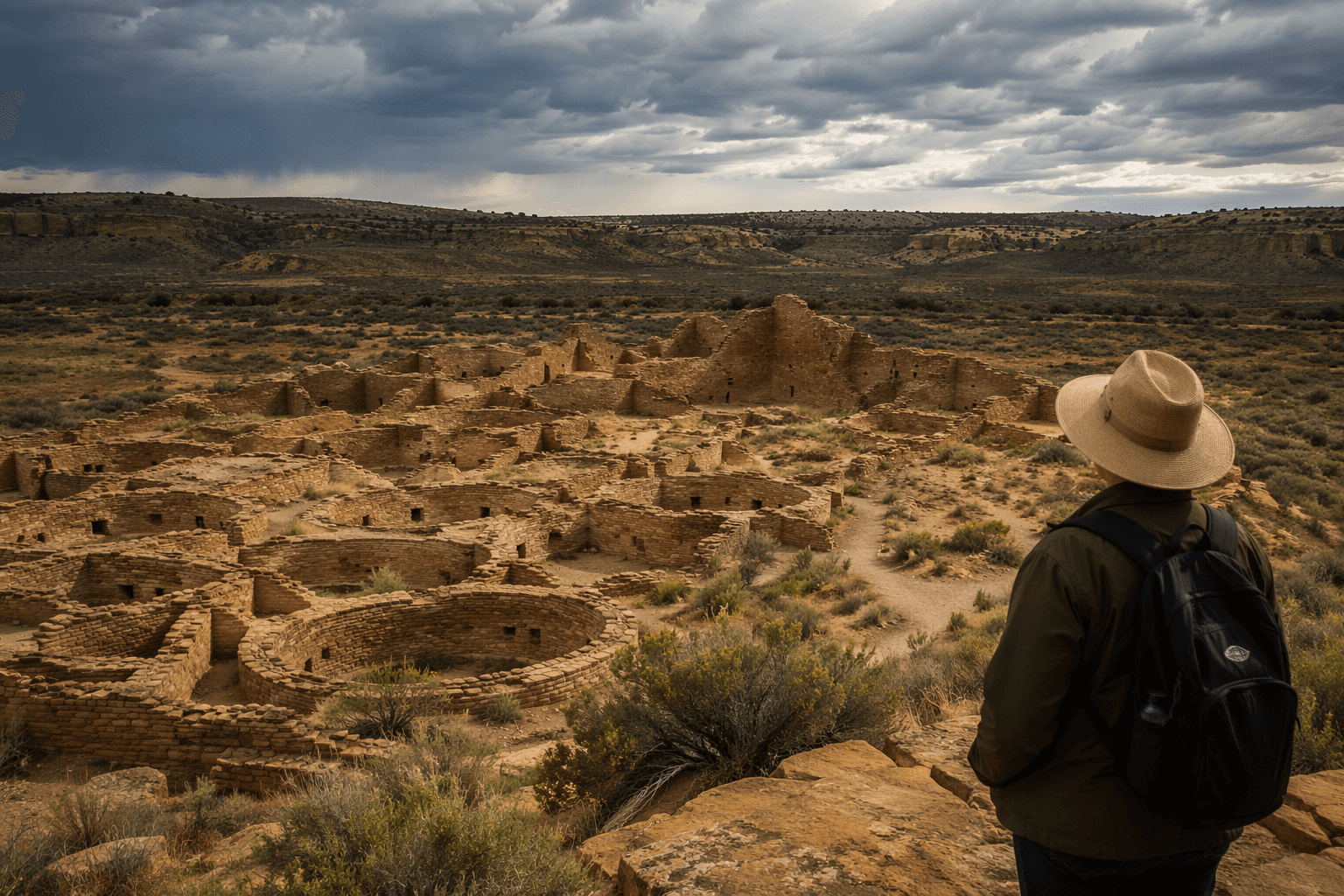
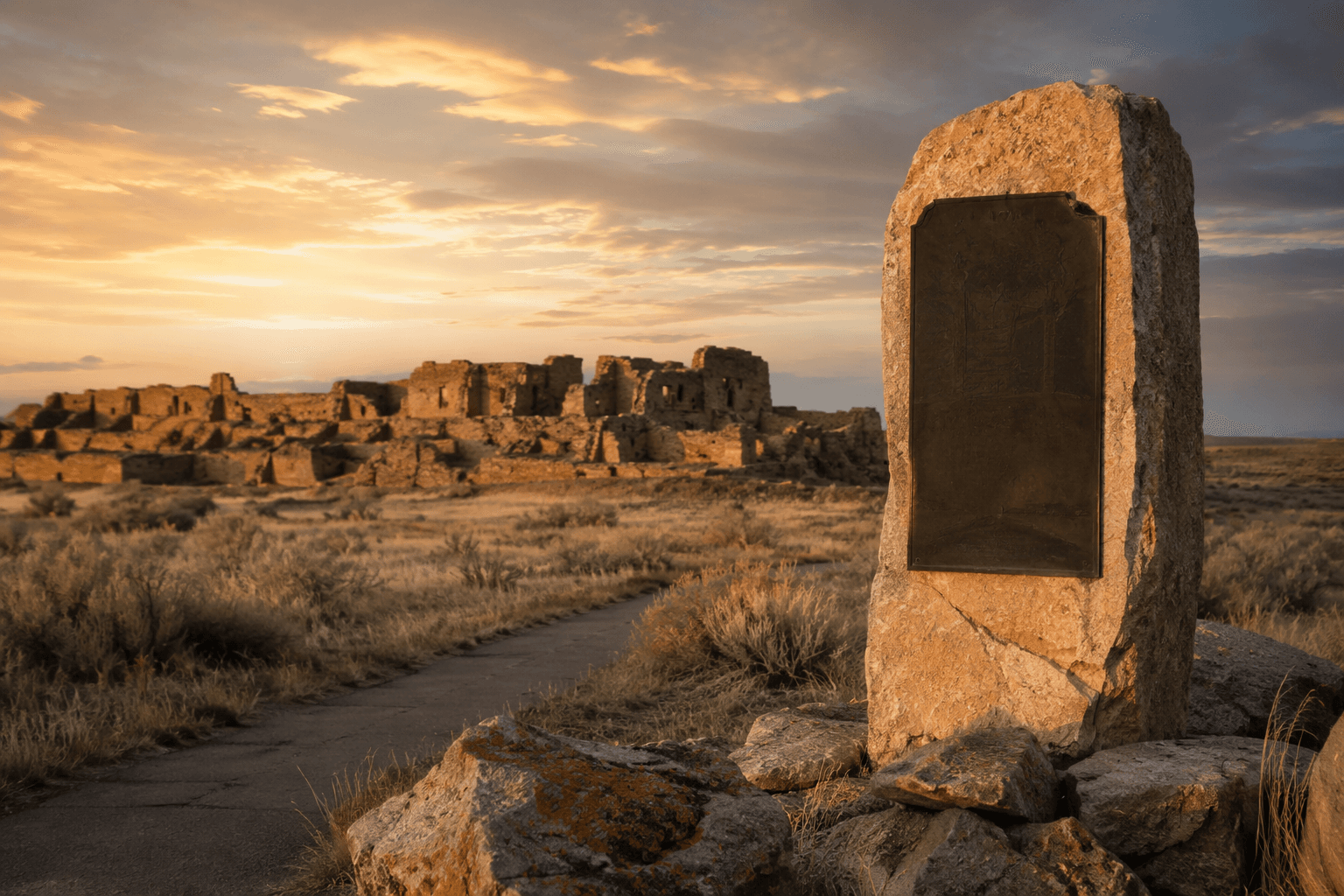
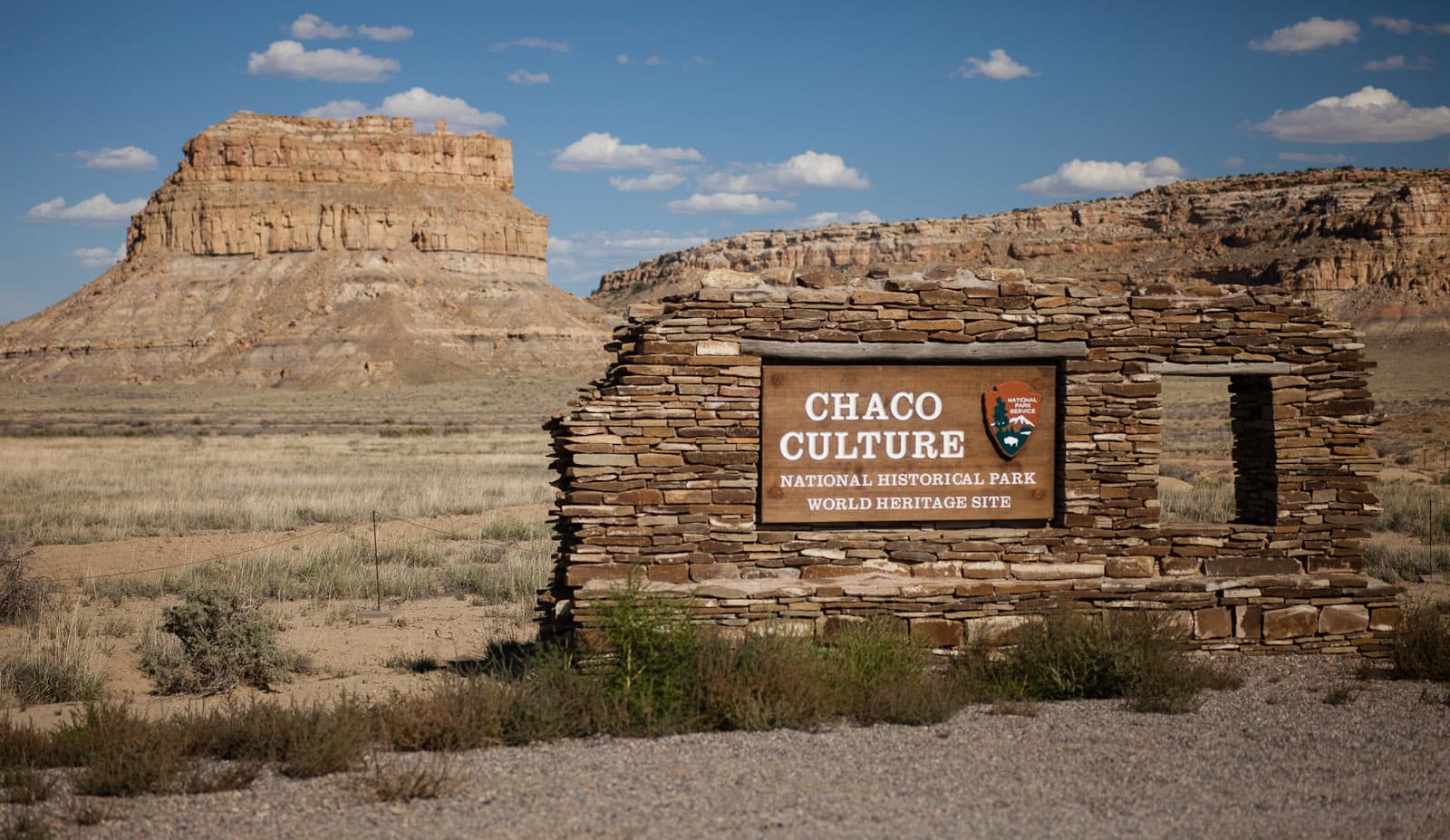
By about 1050, Chaco had become the ceremonial, administrative, and economic center of the San Juan Basin, and the canyon held more than 4,000 cultural sites linked by roads to more than 150 great houses across the region. It is one of the clearest places in the Four Corners to see how ancestral Pueblo people built a regional center where architecture, ceremony, trade, and astronomy were organized on a scale that still stands out. The site was first protected as Chaco Canyon National Monument in 1907, then redesignated as Chaco Culture National Historical Park in 1980. UNESCO added Chaco Culture to the World Heritage List in 1987, and the listing includes the park, Aztec Ruins National Monument, and smaller Chaco sites managed by the Bureau of Land Management.
What first-time visitors should understand
The best way to visit Chaco is to start at the visitor center and let the park set the pace. From there, a 9-mile loop road reaches five major Chacoan sites, including Pueblo Bonito. Park materials also count six major sites along the Canyon Loop Drive. The visitor center itself has a museum, a 26-minute film, and a bookstore operated by Western National Parks Association. It is the right first stop before driving deeper into the canyon.
Four backcountry trails lead to more remote features, and the park asks visitors to sign trail registers and follow closure rules and trail etiquette.
Getting there takes real planning
The park can only be accessed by driving on dirt roads, and the north route from US 550 turns off at CR 7900 near Nageezi, New Mexico. That road includes 13 miles of rough dirt, and the final 4.5 miles before the park are very rough.
Seasonal hours matter too. The Loop Road is open from 7 a.m. to 9 p.m. from May 1 through Oct. 31, from 7 a.m. to 5 p.m. from Nov. 1 through Feb. 28, and from 7 a.m. to 7 p.m. from March 1 through April 30. The visitor center is open daily from 9 a.m. to 5 p.m., and the park and campground are closed on Thanksgiving, Christmas Day, and New Year’s Day.
Where to stop once you arrive
The visitor center is the most efficient place to orient yourself because it covers both the story and the logistics. The museum and film give context for the massive ruins and roads that define the site, while the loop road leads directly to some of the best-known places in the canyon. Pueblo Bonito is the signature stop.
Gallo Campground, about a mile east of the visitor center, is open year-round and has 26 individual sites and 2 group sites. Reservations are recommended for anyone planning to stay overnight and use Chaco as a base for a deeper visit rather than a single-day outing.
Why the landscape still carries political weight
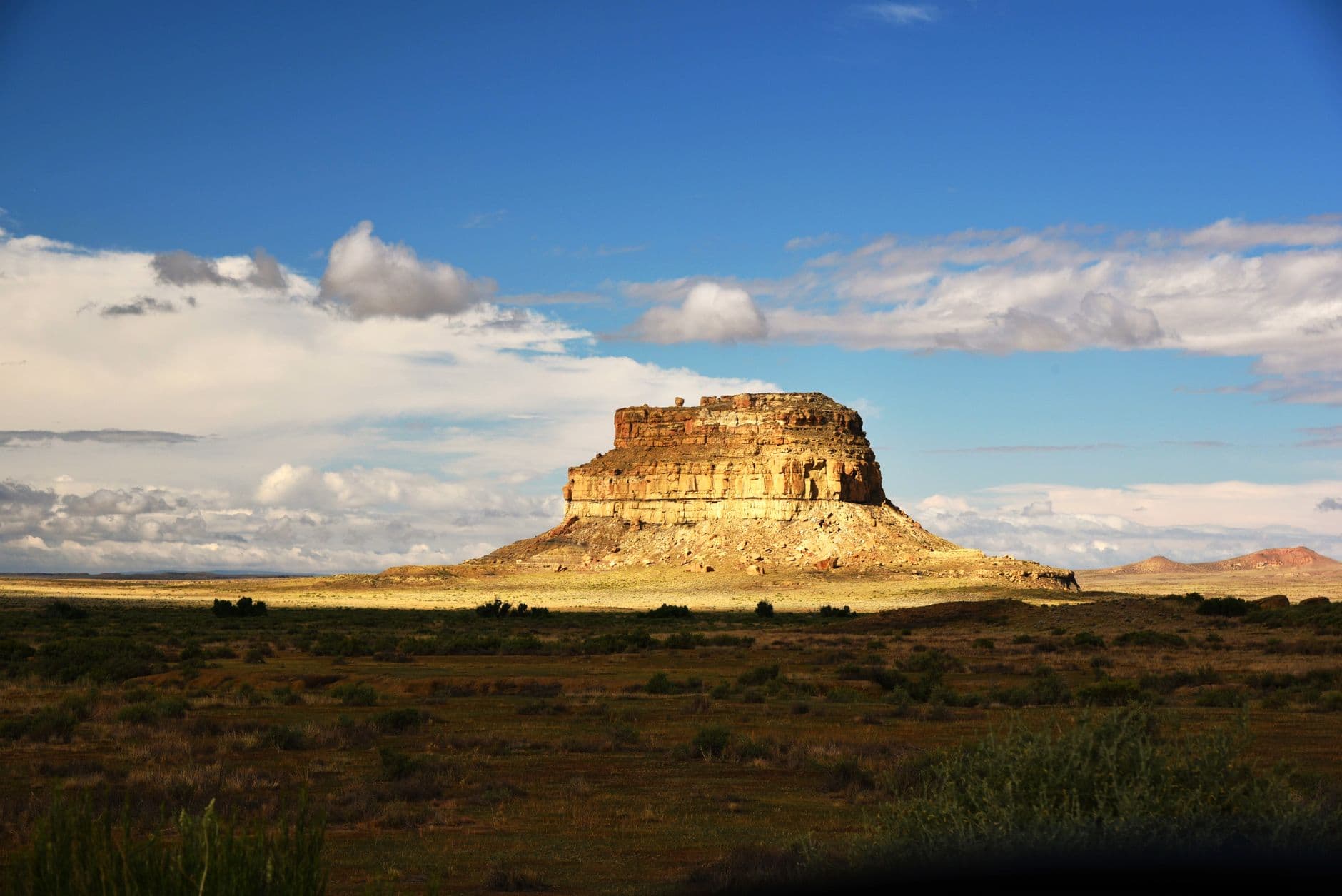
In fall 2021, Interior Secretary Deb Haaland directed the Bureau of Land Management and the Bureau of Indian Affairs to begin the Honoring Chaco Initiative, a Tribal consultation process focused on land management across the Greater Chaco landscape. The effort was meant to bring together BLM field offices, BIA offices, Tribes, Pueblos, and other Tribal interests.
That work led to a major land-use decision in June 2023, when Public Land Order 7923 withdrew public lands within roughly 10 miles of the park from new mineral leasing and location under the mining laws for 20 years. The Bureau of Land Management estimated the withdrawal would protect more than 4,700 documented sites in the area.
The research history behind the ruins
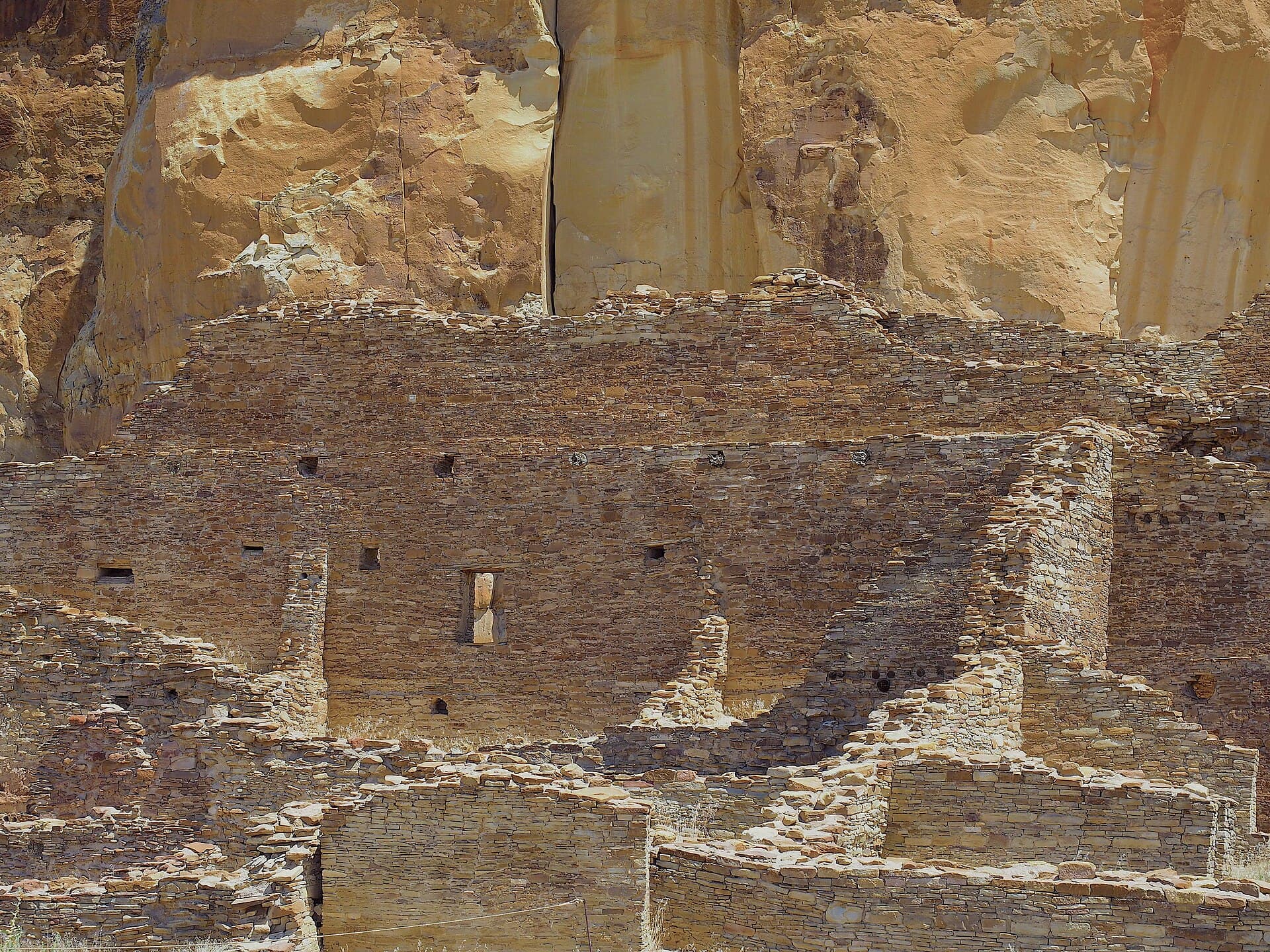
Formal stabilization began in the late 1930s, when the National Park Service and the Civilian Conservation Corps Indian Division worked with local Navajo men to repair and stabilize walls using experimental techniques. Later, the Chaco Project from 1969 to 1985 identified more than 3,600 prehistoric and historic sites.
In 2023, 40.2 thousand visitors spent an estimated $2.5 million in local gateway regions, a modest but real boost for communities tied to tourism in this remote part of northwest New Mexico.
This article was produced by Prism’s automated news system from verified source data, official records, and press releases, then run through automated quality and moderation checks before publishing. The system is built and supervised by the people who set the standards it runs under. Read our full AI policy.
Did this article answer your question?