Farmington downtown traces roots back more than 2,000 years
Farmington’s downtown sits on more than 2,000 years of settlement, from Ancestral Puebloan roots to the 1893 San Juan Street photo and the 1902 Main Street rename.
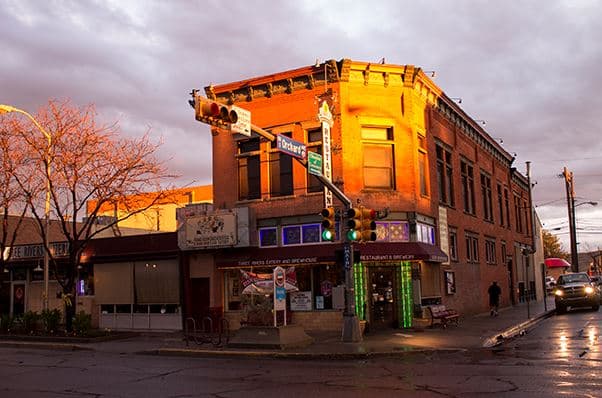
Farmington’s downtown looks like a familiar civic corridor, but the street grid sits on a much older human landscape. The city’s own history ties the area to more than 2,000 years of residence, then to a 19th-century town site that grew into the county seat and, eventually, the commercial center people use every day.
A deeper street than it looks
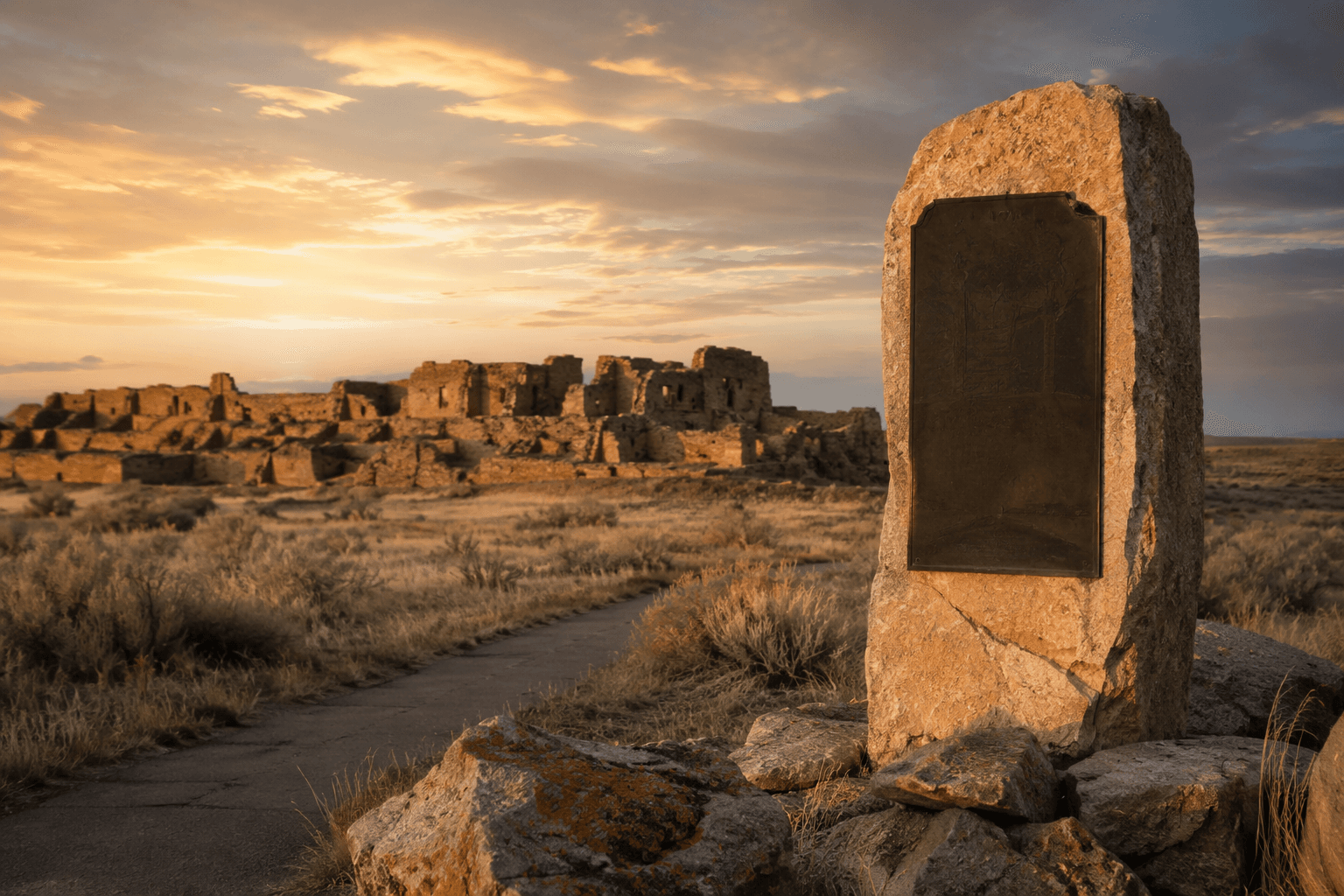
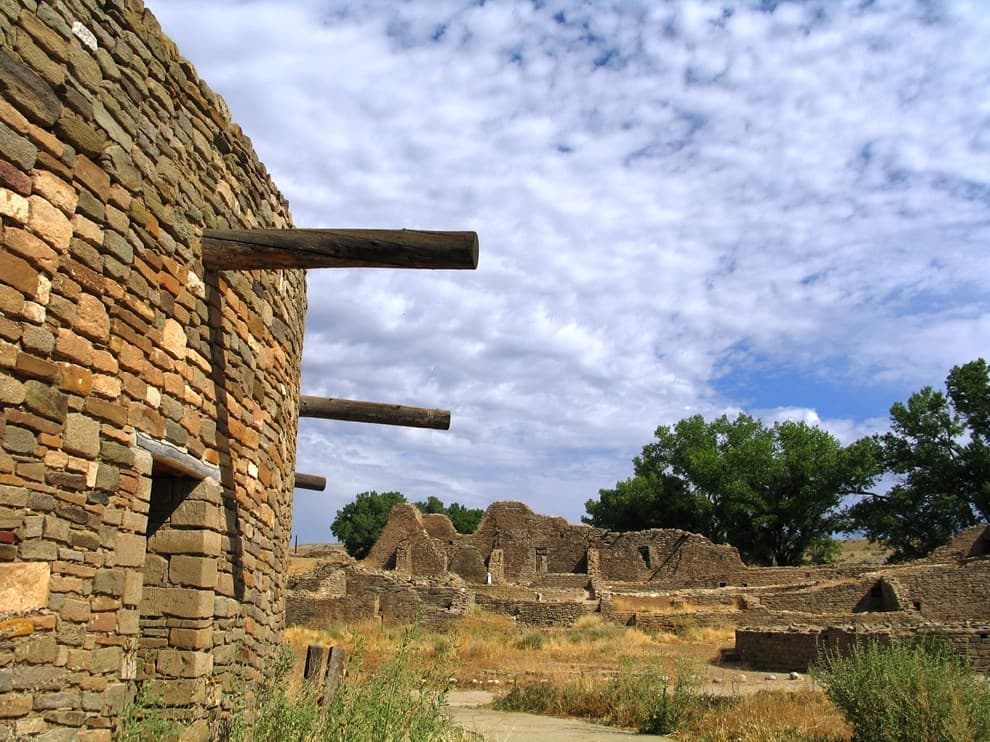
Farmington’s official history traces the area back to Anasazi basket makers who lived in pit houses and later in pueblo structures built from native sandstone. The Tony Hillerman Portal reinforces that the region was first settled by Ancestral Puebloans, with nearby Salmon Ruins and Aztec Ruins standing as visible evidence of that older world. That means the downtown blocks people cross for errands, coffee, government business, and events sit above a long record of adaptation, building, and return.
The point is not just that the city is old in a general sense. It is that the ground under downtown Farmington already carried settlement, architecture, and local memory long before the present-day storefronts and road names appeared. The continuity is easy to miss because the modern city works so smoothly, yet the deeper timeline is still there in the story Farmington tells about itself.
San Juan Street before Main Street
A historic photograph of present-day Main Street, taken in 1893, shows the street when it was still called San Juan Street. The name changed officially to Main Street in 1902, a small detail that marks a larger shift from frontier-era settlement to a more standardized civic identity. For anyone who walks that corridor now, the old name turns the street itself into a historical document.
That transition matters because names shape how people understand place. San Juan Street evokes the early townscape that preceded the modern downtown, while Main Street suggests a settled commercial center with public life organized around a recognizable core. In Farmington, both names belong to the same corridor, which is why the street can feel so ordinary and so layered at once.
The National Register of Historic Places registration form places the Farmington Historic Downtown Commercial District at about eight blocks in downtown Farmington, along Main Street and Broadway, from Auburn Avenue to Miller Avenue. That stretch gives the downtown its practical shape today, and it also provides the cleanest way to read the city’s history on foot. You are not moving through one isolated block so much as crossing a sequence of blocks that carry a recorded civic past.
When the modern town took shape
Farmington’s more recent modern settlement is tied to the years 1876 to 1878, when families including William and Marion B. Hendrickson, Charles and Milton Virden, and Orville Pyle first settled there. That settlement history matters because it connects the Indigenous timeline to the later town that grew into the Farmington people recognize now. The downtown that followed was not created on empty ground; it was built in a place with both deep history and a relatively recent municipal origin.
The same historical marker says Farmington became the county seat in 1895. That change helps explain why downtown and Main Street became such important civic spaces. Once the county seat was established, the center of town had to hold more than commerce alone. It became the place where local identity, government, and daily business met in the same compact corridor.
A marker dated September 26, 2009, titled “Footloose in Farmington: A Historic Perspective of Downtown,” shows that the city has already been interpreting this area as a historic landscape in its own right. That interpretive work matters because downtown Farmington is not just a backdrop for present-day use. It is a place the city has consciously identified as part of its public memory.
Why downtown still carries the city’s public identity
New Mexico Arts & Cultural Districts lists the area as the Historic Downtown Farmington Arts & Cultural District, which places the corridor inside a recognized cultural frame as well as a commercial one. That designation fits the way the city presents the downtown now: not only as a place of business, but as a place where history, arts, and civic life overlap. The label confirms what the street already suggests, that downtown is one of the city’s most visible common spaces.
Farmington tourism materials describe the city as the commercial hub of the Four Corners. They put the city at about 45,000 residents, the metro area at about 115,000, and weekend shopping traffic at 150,000 visitors. Those numbers show why the old corridor still matters so much. The same downtown that once sat on San Juan Street now serves a city with regional reach, and its history remains tied to the daily movement of people through Main Street and Broadway.
That is what locals miss in plain sight: a downtown that looks like routine city life, yet preserves a timeline that stretches from Ancestral Puebloan settlement to 1870s town building, from San Juan Street to Main Street, and from a frontier outpost to a district Farmington still uses to define itself.
This article was produced by Prism’s automated news system from verified source data, official records, and press releases, then run through automated quality and moderation checks before publishing. The system is built and supervised by the people who set the standards it runs under. Read our full AI policy.
Did this article answer your question?