Farmington ranch museums showcase wildlife, inventions and local history
A private ranch south of the San Juan River has become one of Farmington’s defining landmarks, drawing visitors for wildlife, museums and a rare slice of local history.
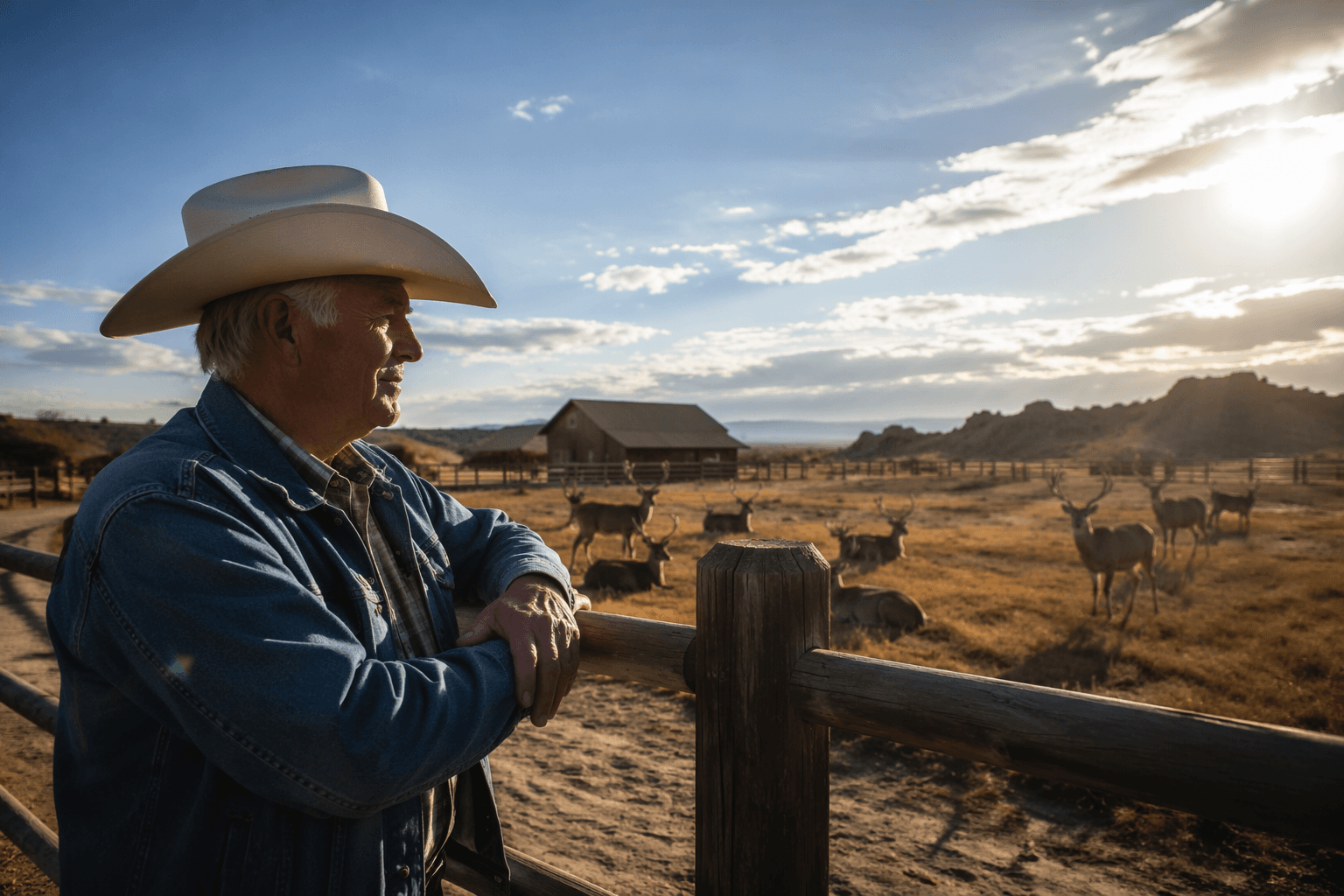
South of the San Juan River, B-Square Ranch functions like a place Farmington claims as its own. The 12,000-acre operation combines a working farm, ranch, private wildlife refuge and two museums, drawing school groups, birders, artists and tourists who come for wildlife, transportation history and a very local kind of spectacle. For San Juan County, it is more than an offbeat stop: it is a privately held institution that helps shape how the area presents itself to outsiders and how residents think about land, conservation and memory.
A ranch built to show what land can do
B-Square Ranch began in 1957, when Tom Bolack set out to demonstrate multiple land use on 300 acres. The site’s own history ties that idea to reclamation, river rechanneling and wildlife habitat production, and the property expanded over time to 12,000 acres. Its river projects straightened five miles of the San Juan River, created eight new lakes and added 1,000 acres of riparian wildlife habitat.
The land work did not stop at the river. Another reclamation project transformed 7,000 acres of wasteland into productive farmland, while watershed management added 300 retention dams and reseeded nearly 5,000 acres of barren canyon land. That mix of agriculture, engineering and habitat restoration is part of what makes the ranch matter beyond its fences: it shows a private family using land as a long-term public exhibit of what conservation and production can look like together.
The museums turn collecting into a civic landmark
The Bolack Museum of Fish and Wildlife and the Bolack Electromechanical Museum sit within that larger landscape, but each offers a different doorway into the family’s legacy. The Fish and Wildlife Museum was built by and dedicated to Tom Bolack by the Bolack family, and it holds more than 2,500 mounted specimens from five continents. Farmington tourism materials describe it as one of the largest private collections in the United States, and that scale helps explain why the museum has become a destination rather than a side room.
The Electromechanical Museum reflects Tommy Bolack’s collecting life and opened in 1990 after four decades of gathering. Its focus runs from early electric power and telephone systems to communications, oil field equipment and farming machinery, with visitor favorites that include an Elvis Cadillac, a train, an airplane and a tank. The museum also claims the largest collection of insulators in the world, which gives the collection a technical edge that broadens its appeal well beyond nostalgia.
What visitors actually see
The experience at B-Square Ranch is as much about setting as exhibits. Access runs along a 60-acre man-made lake, across an 1899 railroad bridge that was moved about 12 miles, and up toward sandstone bluffs. That route makes the site feel layered with local history before a visitor reaches the collections themselves.
The ranch page says the museum opened to the public in 1990 and includes 15,000 square feet of exhibit space with both indoor and outdoor displays. The setting matters because it connects the museums to the land projects around them: wildlife habitat, reclaimed farm ground, water features and the bridge all reinforce the idea that the ranch is a working landscape as much as a display space. In one visit, you can move from mounted wildlife to insulators to the physical evidence of how the Bolacks reshaped the land.
Why access depends on stewardship
The museums are not open like a city-run attraction. Tours are free and available by appointment only, which means a visit takes planning and depends on the family’s continued stewardship. That structure gives the site a different public meaning than a county museum or state park: it is private property that still functions as a de facto local institution.
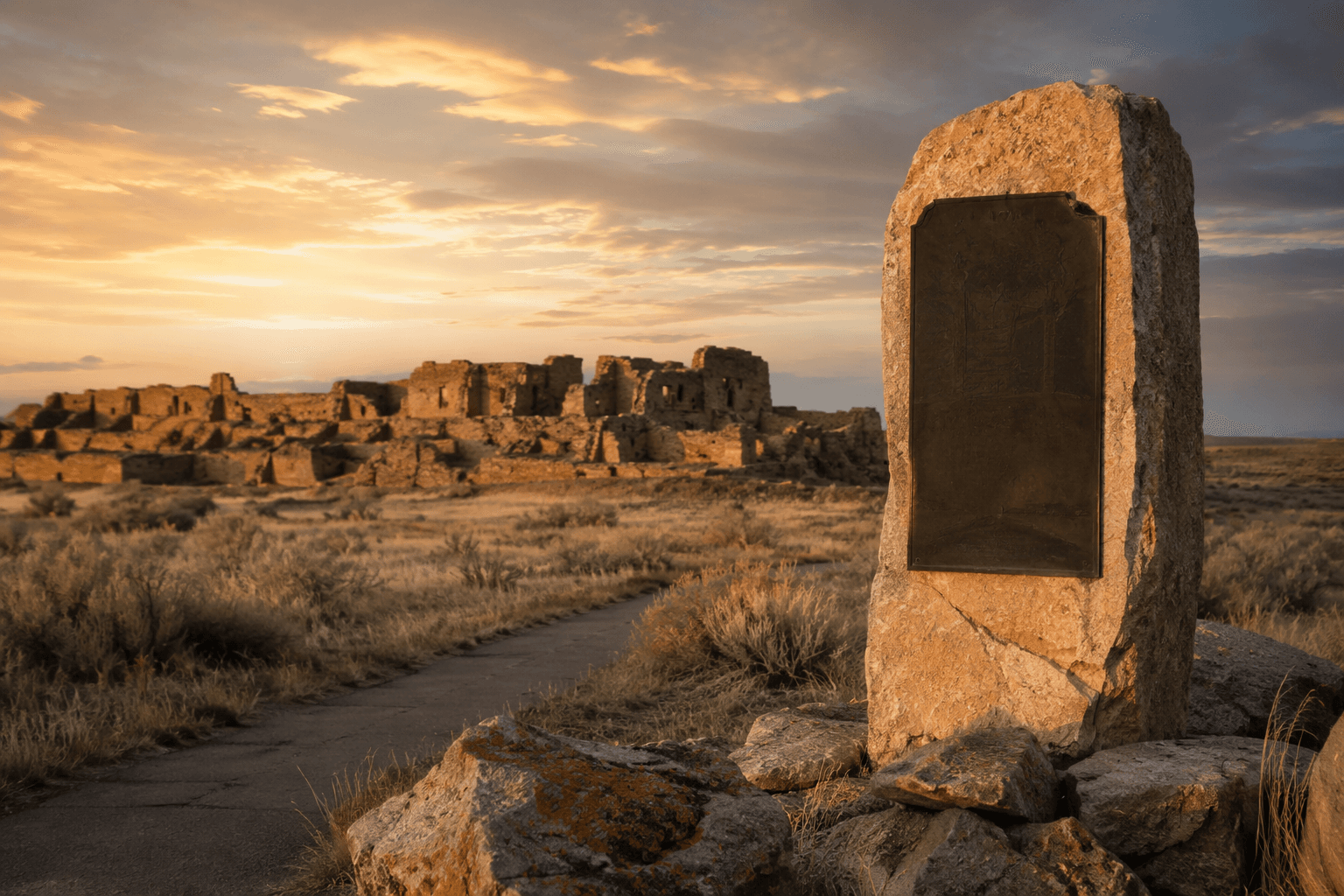
That distinction matters for tourism and preservation. Farmington Convention and Visitors Bureau materials place the Bolack museums alongside the Farmington Museum, Aztec Museum and Pioneer Village, Chaco Culture, Aztec Ruins and Salmon Ruins, showing how firmly the ranch fits into the region’s heritage economy. For local schools, bird and nature clubs, 4-H groups, agriculture tours, foreign exchange students, photographers and artists, the ranch is already part of the cultural circuit. If ownership, stewardship or public availability ever changed, San Juan County would lose not just a museum stop but a piece of the identity that helps define its own story to itself and to visitors.
Tom, Tommy and the family legacy
The ranch history is also a family chronology. Tommy Bolack began working there in 1962, was managing it while attending college by 1970 and was managing it full time by 1973. The site says Tom Bolack suffered a near-fatal accident in the early 1970s and a stroke twenty years later, yet he and Tommy continued developing the ranch together.
Another defining moment came in 1980, when a bridge was moved about 12 miles to connect the north and south ranch operations and was dedicated in memory of Alice Bolack, who died of cancer in 1978. That detail ties the physical landscape to the family’s personal history, making the ranch feel less like a curated attraction and more like a lived-in archive.
A place San Juan County keeps returning to
The ranch says it receives more than 100,000 visits annually, including trips to the ranch itself and appearances at the New Mexico State Fair. That volume helps explain why a private collection on the Bloomfield Highway has become part of Farmington’s public identity. The appeal is not just that the site is unusual. It is that the Bolack museums and B-Square Ranch preserve wildlife habitat, industrial artifacts and family history in one place, and they do it in a way that San Juan County keeps treating as part of the landscape.
This article was produced by Prism’s automated news system from verified source data, official records, and press releases, then run through automated quality and moderation checks before publishing. The system is built and supervised by the people who set the standards it runs under. Read our full AI policy.
Did this article answer your question?