Museum of Navajo Art and Culture opens in downtown Farmington
The Museum of Navajo Art and Culture now anchors 301 W Main Street with Navajo textiles from the early 1900s to today. Its downtown home is open Wednesday through Saturday.
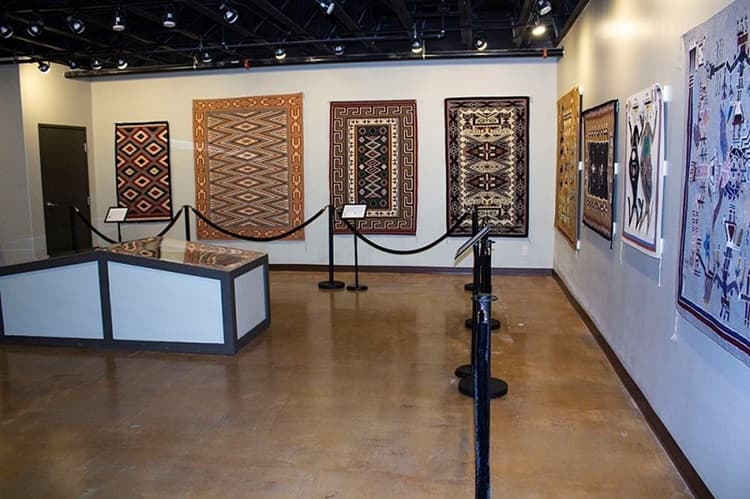
The Museum of Navajo Art and Culture now occupies 301 W Main Street in historic downtown Farmington, putting Navajo art and history in the middle of the city’s busiest core. The newest facility in the Farmington Museum System is built around the art, culture and history of the Diné people, and its location inside the newly dedicated New Mexico Arts and Cultural District gives the museum a clear downtown address that visitors can reach without leaving Main Street.
The building itself was a gift from Bob and Mary Culpepper, along with an extensive collection of Navajo weavings. Inside, the museum displays Navajo textiles that range from the early 1900s to the present day, giving visitors a timeline of craft, design and community memory that stretches across more than a century. That collection is not presented as a sealed-off archive. It is meant to sit alongside the Farmington Museum’s permanent collection as part of a broader effort to exhibit, program and educate people about Indigenous cultures across the Four Corners region.

That distinction matters for downtown Farmington. A museum that opens Wednesday through Saturday, from 10 a.m. to 4 p.m., creates a regular daytime draw in the center of town, not just a one-time stop for a special occasion. Its placement in the cultural district makes it part of a walkable stretch of the city’s historic core, where a visitor can move from the museum to other Main Street businesses during the same trip.

Future plans point even more directly toward a living cultural space. New Mexico Tourism says the museum’s programming is expected to expand with artisan workshops, educational programs and a resident artisan program. Those additions would move the museum beyond static display and toward active use, with Navajo art and weaving treated as a continuing community asset rather than a finished historical exhibit. In a county where downtown traffic and cultural visibility both matter, the museum’s success will hinge on whether it brings people in for the collection and gives them a reason to stay.
This article was produced by Prism’s automated news system from verified source data, official records, and press releases, then run through automated quality and moderation checks before publishing. The system is built and supervised by the people who set the standards it runs under. Read our full AI policy.
Did this article answer your question?