New Mexico awards loan relief to eight rural veterinarians
Eight veterinarians won state loan relief to serve rural shortage areas, a move aimed at getting large-animal care closer to San Juan County ranches and tribal communities.
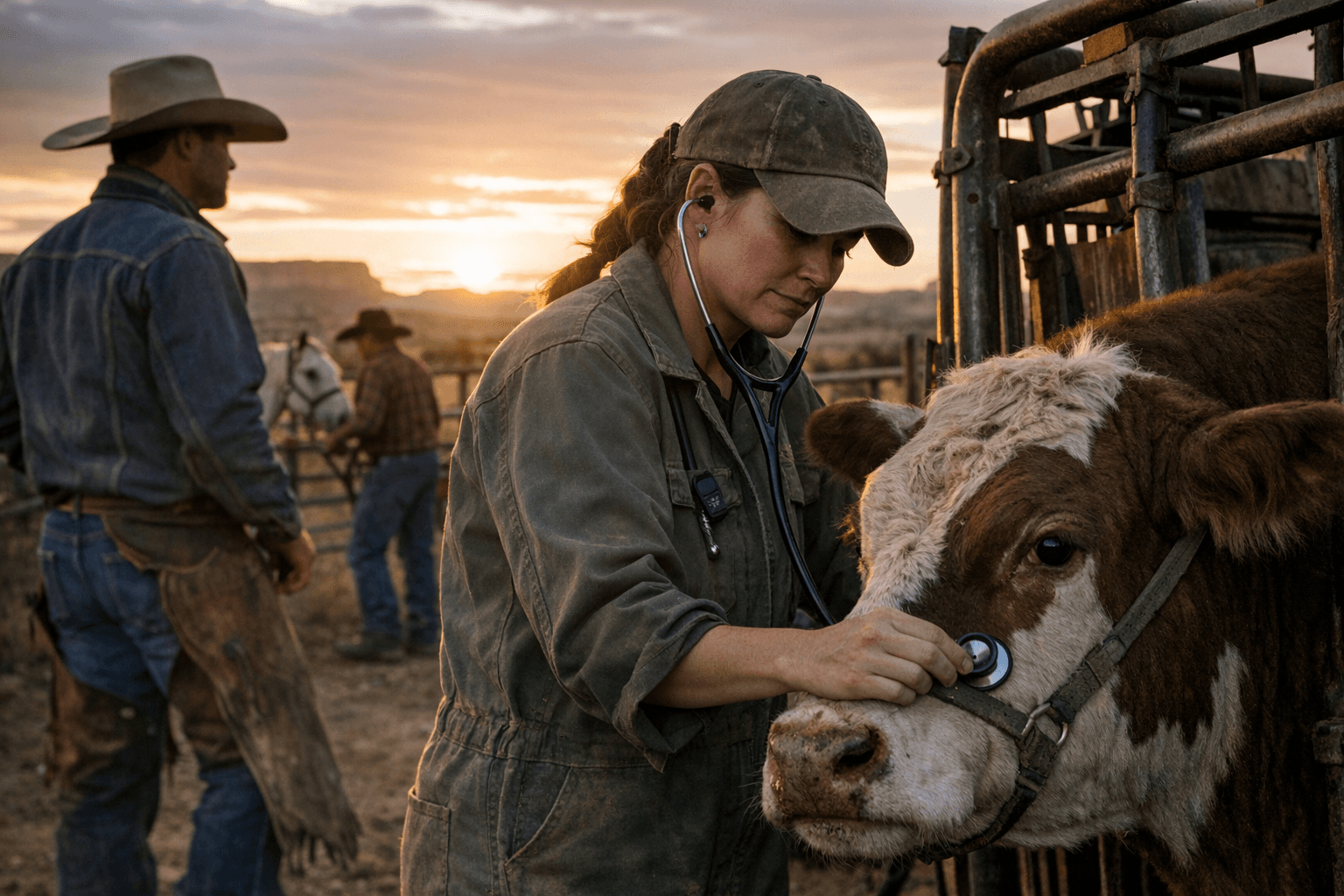
The practical test for San Juan County is simple: will New Mexico’s new loan relief put more large-animal veterinarians within reach when a cow goes down during calving or a rancher needs an emergency farm call?
The New Mexico Higher Education Department awarded student-loan relief to eight veterinarians across the state through the Veterinary Medicine Loan Repayment Program, a state incentive that can provide up to $80,000 per veterinarian. In exchange, each recipient must sign a four-year, full-time service agreement in a designated rural shortage area.
That matters in the Four Corners, where cattle, sheep, goats and poultry remain central to the agricultural economy and where tribal communities depend on livestock for subsistence and livelihood. In a region like San Juan County, thin veterinary coverage can mean longer drives for routine herd work, slower response times for emergencies and more pressure on ranchers during the busiest weeks of calving season.
State officials tied the program to both food production and food safety. The department said the shortage in food-animal veterinary care can make it harder to prevent contagious diseases and protect the state’s agricultural base. Dr. Samantha Holeck, the state veterinarian, called the effort “a great first step” toward supporting New Mexico’s rural veterinary community. Higher Education Secretary Stephanie M. Rodriguez has said access to veterinary services remains a challenge for many rural New Mexicans.
The program itself was created in 2025, when lawmakers passed the Veterinary Medical Loan Repayment Act and Gov. Michelle Lujan Grisham signed it as Chapter 53 on April 7, 2025. Applications opened Oct. 1, 2025 and closed Nov. 1, 2025 at 11:59 p.m. The program is competitive, and the state says it is designed to expand animal care in rural parts of New Mexico while making it more feasible for new veterinarians to build careers outside urban practice.
The scale of the shortage helps explain why New Mexico turned to debt relief. The National Conference of State Legislatures says the United States has lost 90% of its large-animal and livestock veterinarians since World War II, and at least 10 states have adopted legislation in the last five years to address the problem. USDA National Agricultural Statistics Service data show New Mexico’s farm economy still depends heavily on livestock, milk, hay and haylage.
For San Juan County families, ranchers and tribal producers, the key question now is whether those eight awards translate into more local coverage where the work is hardest to staff and the need can be immediate.
This article was produced by Prism’s automated news system from verified source data, official records, and press releases, then run through automated quality and moderation checks before publishing. The system is built and supervised by the people who set the standards it runs under. Read our full AI policy.
Did this article answer your question?