San Juan County faces worst drought in northwestern New Mexico
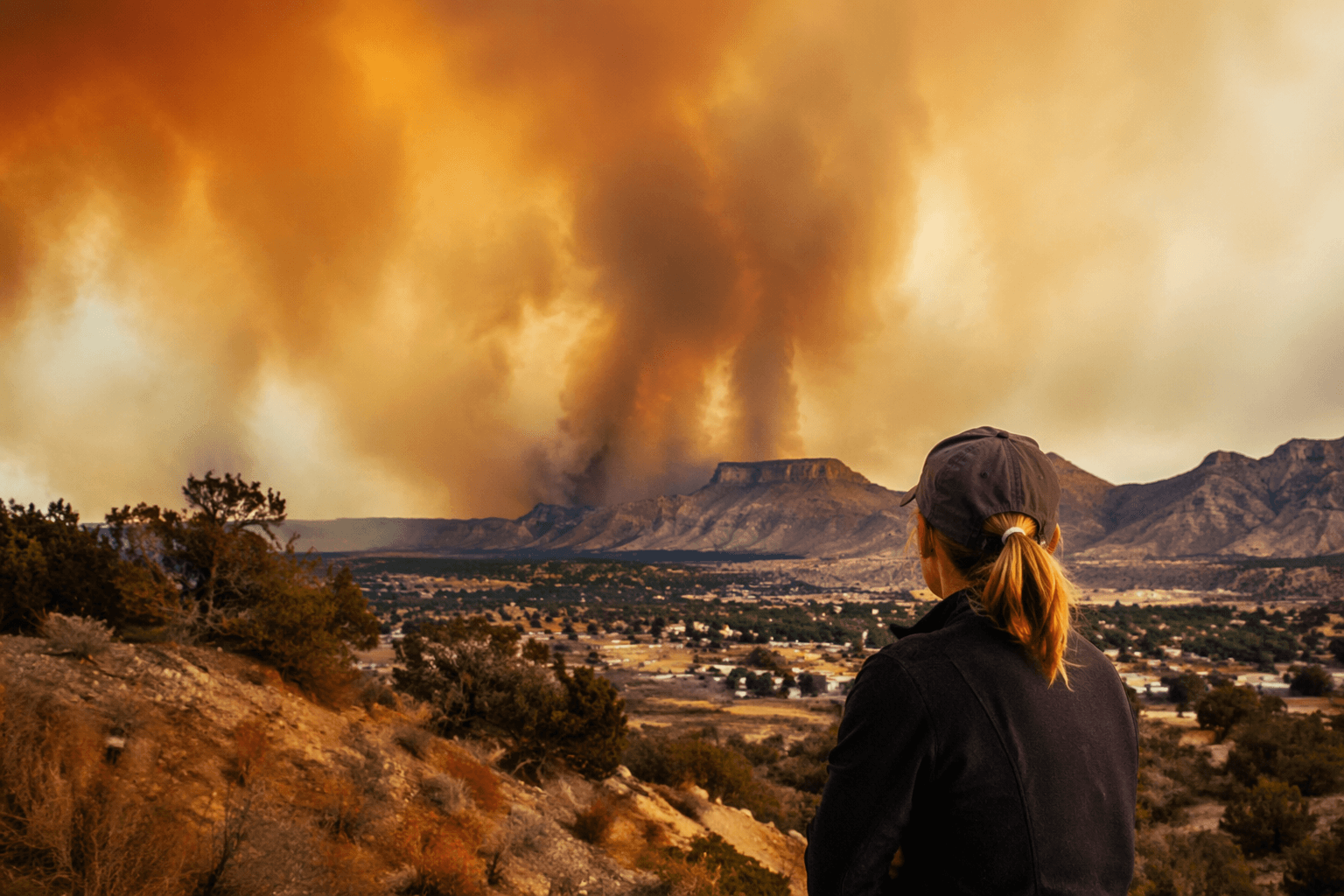
Exceptional drought covered 89% of San Juan County, putting Shiprock, Farmington and other communities at risk of water shortages and wildfire.

San Juan County is carrying the heaviest drought burden in northwestern New Mexico, with 89% of the county in exceptional drought, the U.S. Drought Monitor’s most severe category. That level of dryness affects more than 130,000 residents in places including Shiprock, Newcomb, Aztec and Farmington, where water reliability, wildfire danger and the day-to-day demands on homes, ranches and local businesses are now tied to a shrinking supply.
The risk is especially acute because much of the county sits in the San Juan River Basin, where municipal water, agriculture, recreation and tribal communities all depend on the same stressed system. Farmington’s connection to the San Juan River makes the problem immediate for city water users and for the river economy downstream, including the cold-water trout fishery near Navajo Dam that depends on reservoir releases. The U.S. Geological Survey lists the San Juan River at Farmington monitoring site in San Juan County with a drainage area of 7,240 square miles, underscoring how much land feeds into the river system now under pressure.

State and tribal leaders have already moved into emergency posture. Gov. Michelle Lujan Grisham and the New Mexico Office of the Governor declared a drought and fire emergency in May 2025, warning that drought conditions could reduce available water supply over the next 50 years. The Navajo Nation followed in June 2025 with its own drought emergency and directed departments, programs and chapters to coordinate mitigation and emergency response with federal, state and tribal partners. The Navajo Nation Water Rights Commission says the southwest has been in drought since 1999, a warning that this crisis is part of a longer, deeper water-rights and climate problem, not a single bad season.
The numbers show how often New Mexico has been hit. NOAA’s National Centers for Environmental Information counts 18 billion-dollar drought disasters in the state from 1980 through 2024, part of 38 billion-dollar weather and climate disasters overall. In San Juan County, the emergency is colliding with unfinished infrastructure: the Navajo-Gallup Water Supply Project is designed to convey 37,760 acre-feet of diversion capacity for the Navajo Nation, the Jicarilla Apache Nation and the City of Gallup, but one New Mexico legislative presentation projected first water delivery on the San Juan Lateral for 2028 to 2029. Until then, communities across the county remain exposed to the strain of limited river and reservoir supplies, and to the wildfire and drinking-water risks that come with them.
This article was produced by Prism’s automated news system from verified source data, official records, and press releases, then run through automated quality and moderation checks before publishing. The system is built and supervised by the people who set the standards it runs under. Read our full AI policy.
Did this article answer your question?