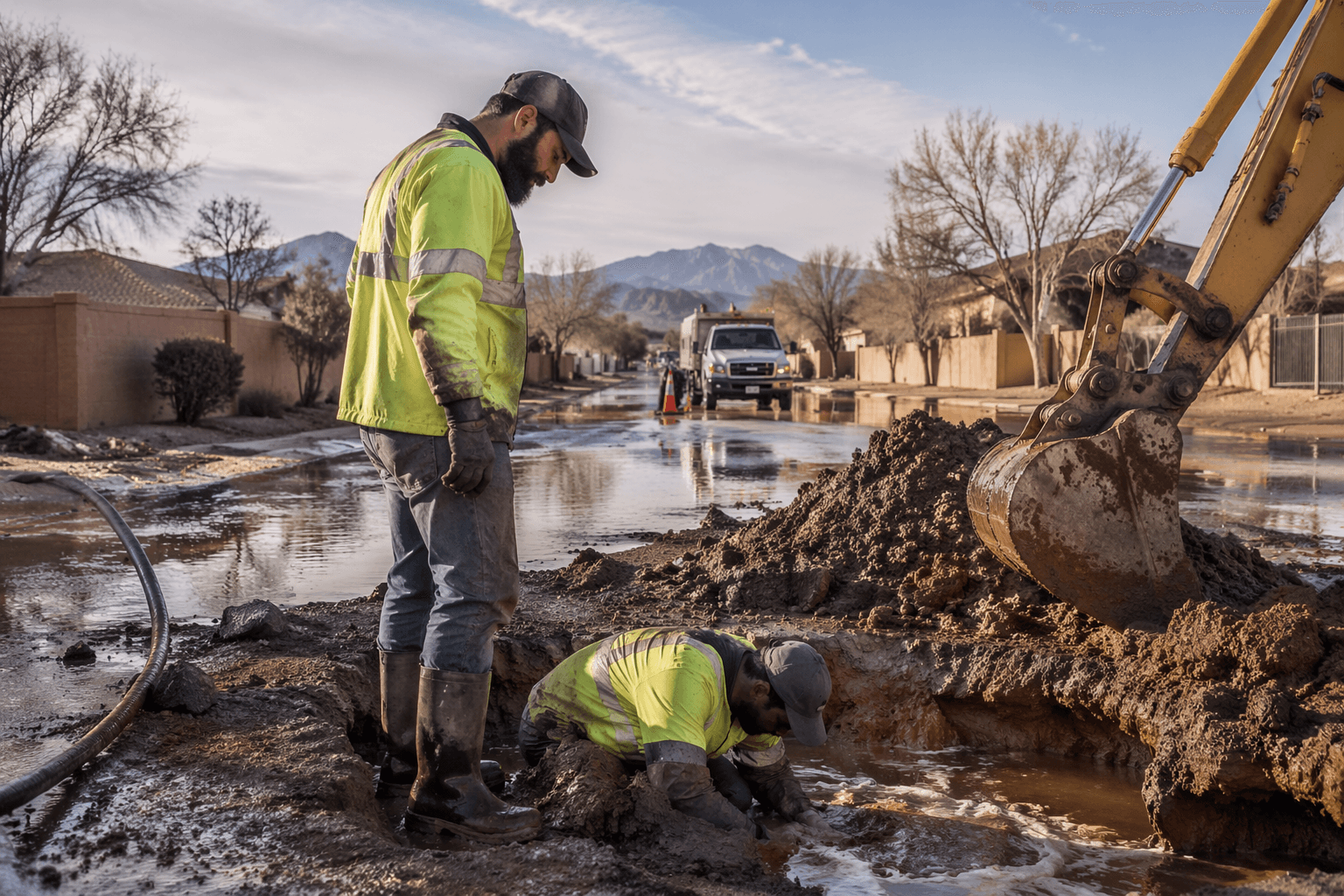
MRGCD Warns Irrigators of Limited Water as Spring Runoff Falls Short
Spring flows on the Rio Grande dropped to 30% of early March levels, leaving 11,000 MRGCD irrigators facing rotational deliveries at the start of planting season.

The spring runoff that Middle Rio Grande valley farmers count on to open irrigation season arrived too thin this year, dropping to roughly 30% of its early March peak and pushing the Middle Rio Grande Conservancy District to put 11,000 irrigators on notice.
MRGCD CEO and chief engineer Jason Casuga identified March 20, the first day of spring, as the moment conditions crossed a critical threshold. "The first day of spring marked a turning point," Casuga said. "At that point, incoming flows were no longer sufficient to meet both diversion needs and required river bypass thresholds." The district issued its public advisory on April 2.
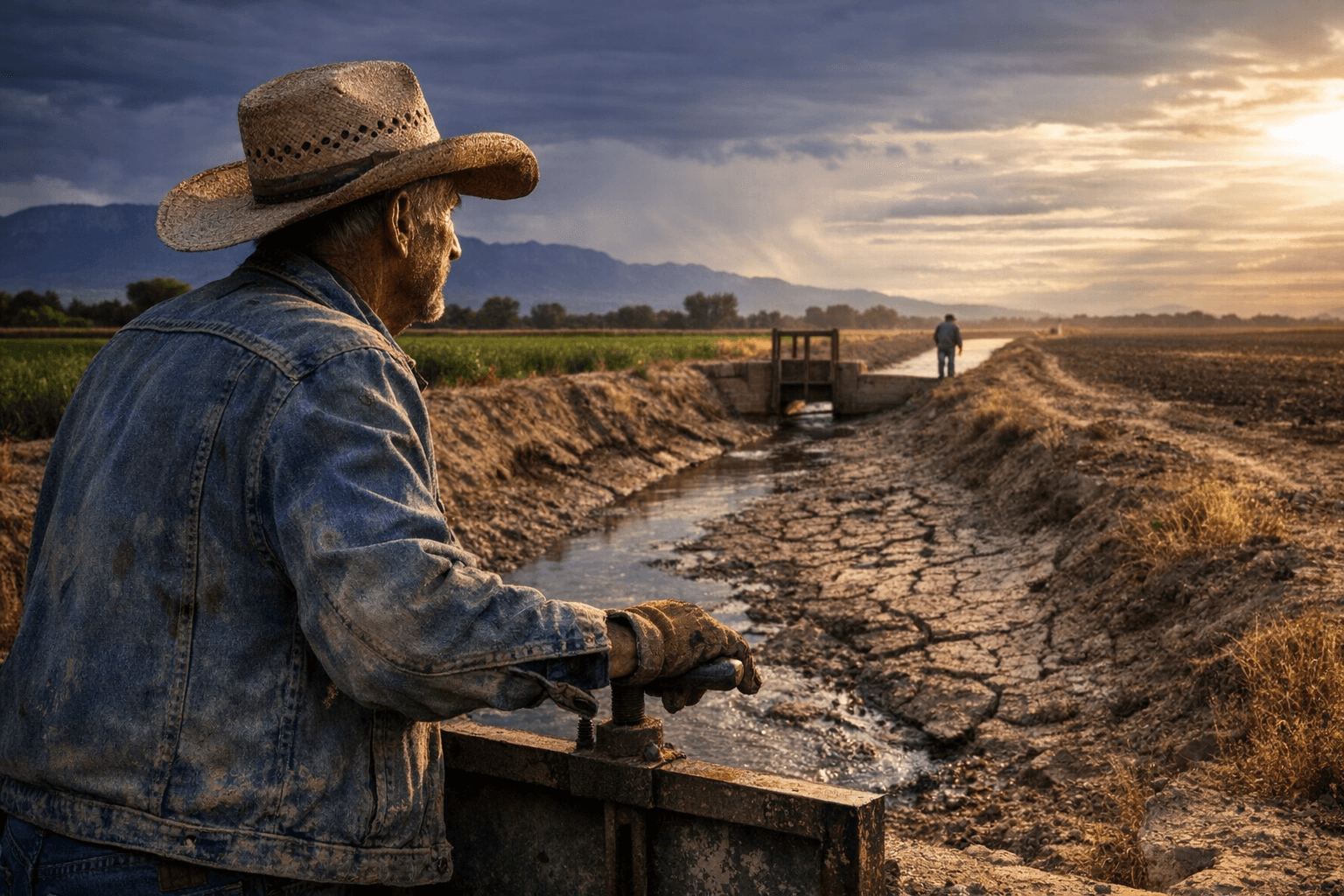
The MRGCD serves irrigated lands along the Rio Grande through Sandoval, Bernalillo and Valencia counties as well as multiple pueblos, managing irrigation deliveries, drainage and river infrastructure across thousands of parcels. For agricultural land in Corrales and other farming communities in Sandoval County, the warning carries an immediate message: deliveries will proceed on a rotational basis, scheduling flexibility will be limited, and irrigators should take water when it becomes available because future inflows remain uncertain.
Casuga urged water users to bring "efficient use, strong cooperation, and a shared sense of responsibility" to a season that opened already constrained. Farmers and acequia boards are being asked to adjust crop plans and prioritize critical water uses in coordination with ditch bosses.
Several factors complicating the district's position lie outside its direct control. Federal storage decisions in the Rio Chama system and upstream diversions originating in Colorado both influence the volume reaching MRGCD diversion points. The district said it would continue monitoring high-elevation snowpack and upstream operations that could shift the near-term outlook.
The stakes reach beyond any single farm. Curtailed early deliveries reduce pasture and forage availability, raising feed costs; sustained shortages can pressure produce prices throughout the regional supply chain. Lower Rio Grande flows also affect bosque health and riverine habitat in Sandoval County, drawing municipal and conservation interests alongside irrigators into the same conversation about an increasingly tight water year.
MRGCD plans to continue issuing updates as snowpack data and upstream conditions develop. With flows already at roughly a third of where they stood five weeks ago, the district's warning leaves little room for irrigators to wait.
This article was produced by Prism’s automated news system from verified source data, official records, and press releases, then run through automated quality and moderation checks before publishing. The system is built and supervised by the people who set the standards it runs under. Read our full AI policy.
Did this article answer your question?