Seminole County ranks third in Central Florida for rabies exposures
Seminole County is now third in Central Florida for rabies exposures, with 1,300 investigations tied to the disease over the past year. Officials say most risks are at home, but schools and bats are adding to the worry.

Seminole County is climbing up a troubling list, now ranking third in Central Florida for rabies exposure cases as county health officials warn that the danger is showing up in neighborhoods, at homes and even on school property. Dr. Ethan Johnson of the Florida Department of Health laid out the numbers at a Tuesday meeting, and Commissioner Jay Zembower said the ranking was a surprise in a county where many residents think they already know how to avoid Florida wildlife.
The scale is larger than a single animal encounter. Over the past year, epidemiology staff handled 3,300 investigations of reportable diseases, and 1,300 of those were related to rabies. Officials said most exposures happen at home, which makes backyards, patios and pet areas part of the risk map instead of distant woods or rural fields. County leaders also pointed to school campuses as a place where the issue can surface, shifting rabies from a wildlife problem to a public-safety concern that follows people into their daily routines.
The school district said it works closely with the health department whenever there is a possible exposure to rabies, measles or another disease, and said there are no confirmed rabies cases tied to any Seminole County school. Even so, the health department confirmed bats were found at Seminole High School, underscoring how quickly a wildlife encounter can become a districtwide worry.
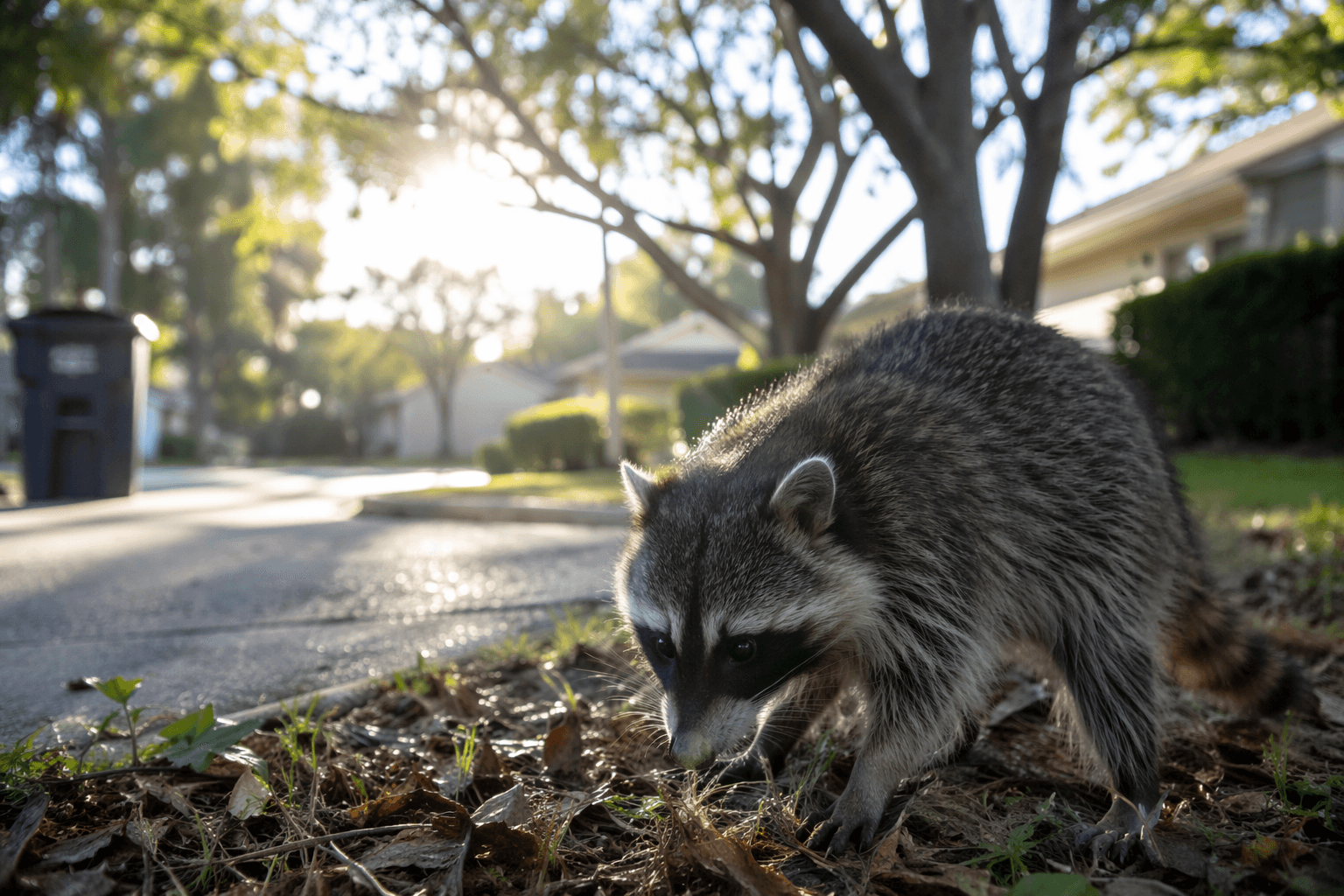
Officials say raccoons and bats are the main wildlife sources of rabies in Florida, and the disease is nearly 100% fatal once symptoms appear. The Florida Department of Health in Seminole County defines a possible exposure broadly, including a bite, scratch or contact with saliva, cerebrospinal fluid, tears or nervous tissue that reaches an open wound or mucous membranes. If that happens, the Centers for Disease Control and Prevention says treatment includes wound care, human rabies immune globulin and a four-dose vaccine series.
County leaders are pushing a simple message: stay away from wild animals, report bites and scratches immediately, keep bats and other wildlife out of homes and schools, and make sure pets are vaccinated. Seminole County Animal Services also offers a rabies prevention program as part of its outreach, as the county tries to keep repeat warnings from turning into preventable illness.
This article was produced by Prism’s automated news system from verified source data, official records, and press releases, then run through automated quality and moderation checks before publishing. The system is built and supervised by the people who set the standards it runs under. Read our full AI policy.
Know something we missed? Have a correction or additional information?
Submit a Tip