Duluth schools cuts target mental health staff amid budget gap
At least seven Duluth Public Schools mental health jobs are in the latest cuts, raising the risk of longer waits and larger caseloads for students.
At least seven Duluth Public Schools positions that directly provide mental health services and support to students are included in the district’s latest budget cuts, putting counselors, school social workers and school psychologists at the center of a fight over what students will lose next year.
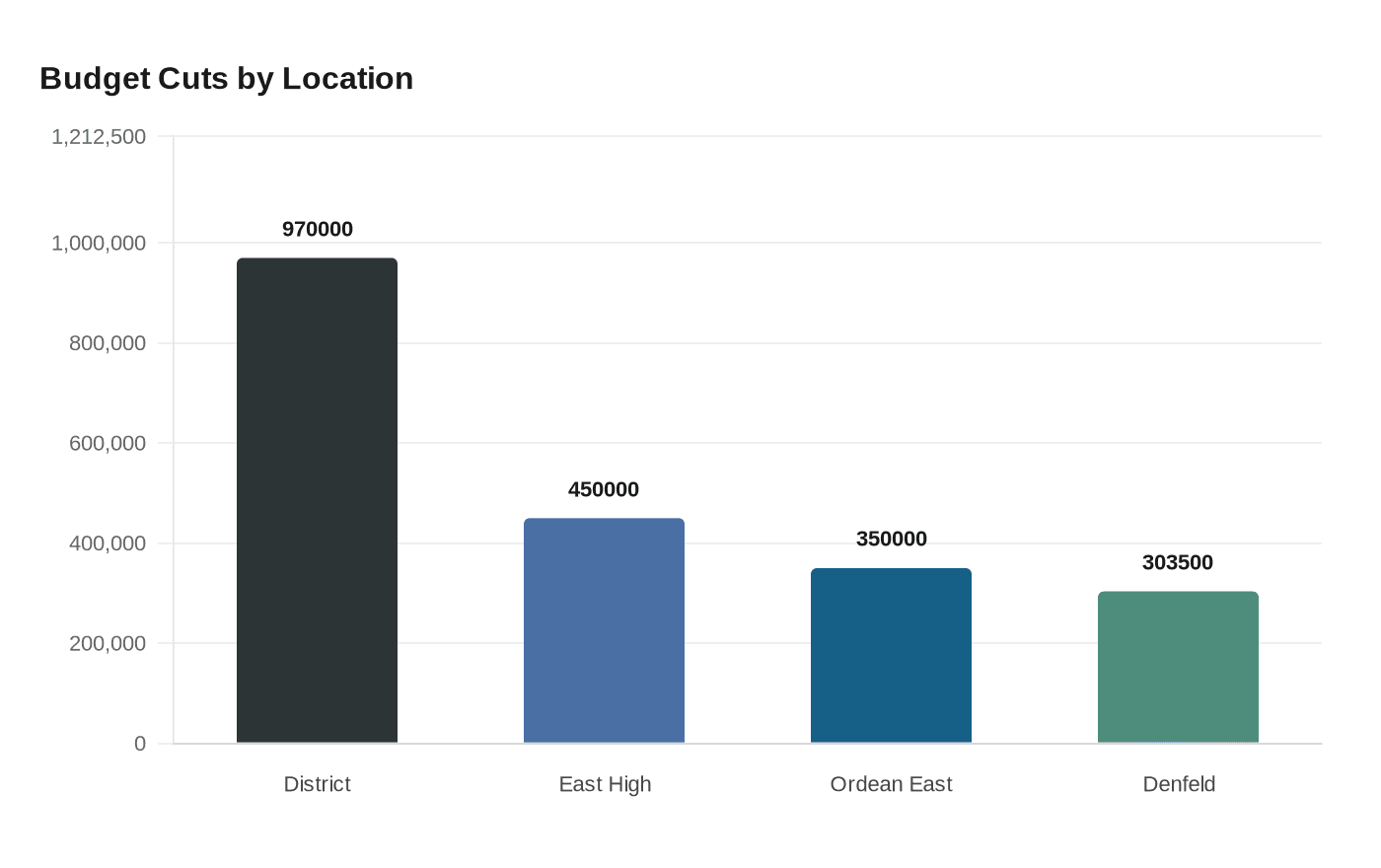
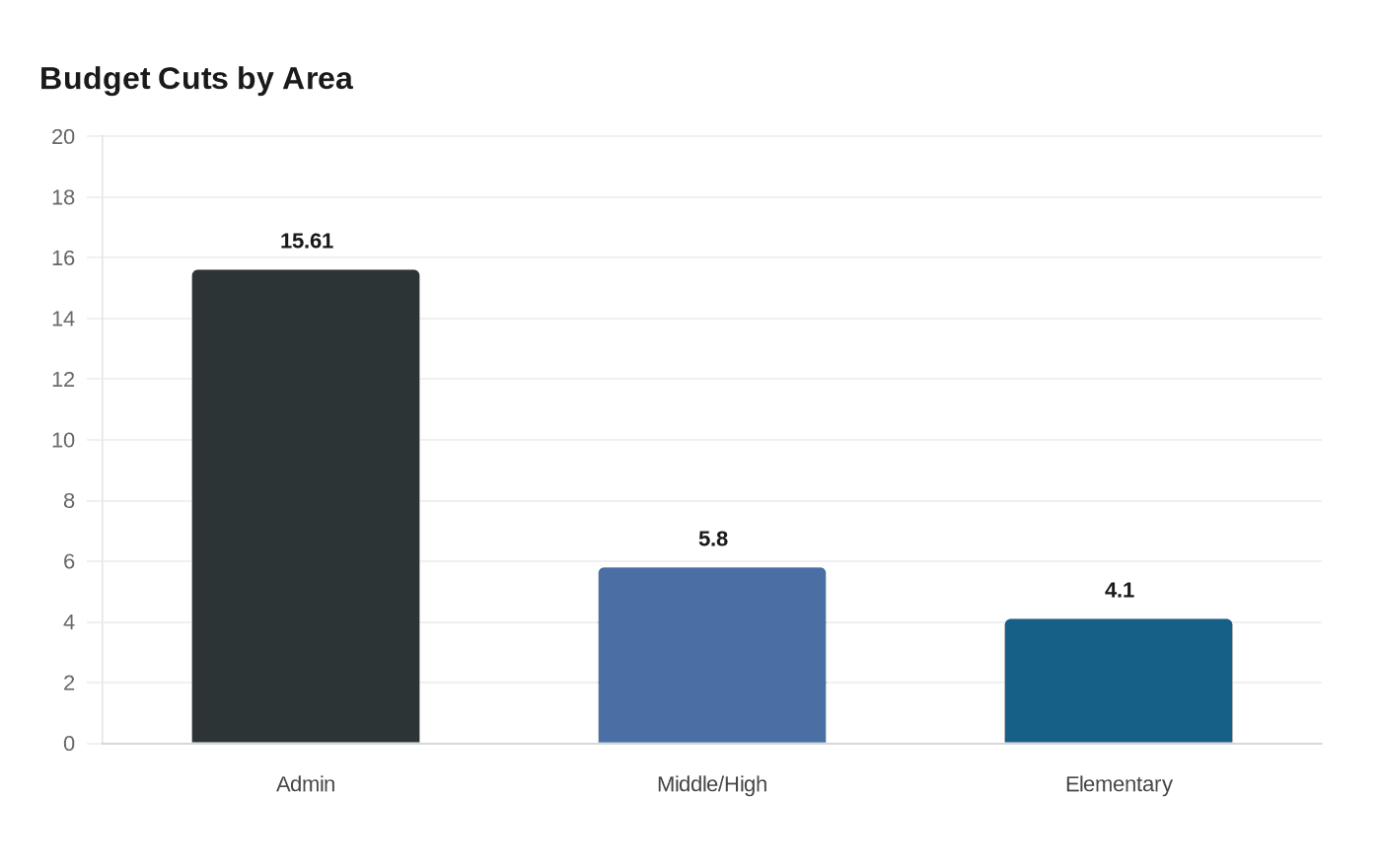
The district said on April 21 that it had closed a $4.2 million budget gap for the 2026-2027 school year, with a finalized plan that would save $4,296,067 in the general fund. District administration absorbed the largest share of reductions by percentage, 15.61%, while middle and high schools were reduced by 5.8% and elementary schools by 4.1%.
Duluth Public Schools has said its fiscal year runs from July 1 to June 30, and the budget process requires School Board approval and public inspection and comment. District leaders have also said they are trying to use retirements and resignations to avoid some layoffs, and that displacement is not always the same as a layoff. Even so, the cuts point to a direct loss of frontline support for students who rely on school-based mental health help during the day.
On March 24, the district said rising costs for supplies, insurance and specialized services had outpaced state and federal funding. It said it used enrollment data, ThoughtExchange feedback from families and staff, and input from principals, staff and the school board to shape the reductions. That makes the mental health cuts part of a broader attempt to balance the books without hollowing out classrooms, but it also raises the question of how much support remains when help is needed most.
The district’s own mental health page says it employs school counselors at its secondary schools and school psychologists and school social workers that provide services to all schools. It also partners with community organizations to provide co-located mental health services inside schools. For families, that means the next line of defense may be a mix of fewer school-based staff and outside partners already stretched across campus.
This is the third straight year of belt-tightening. In November 2024, Duluth Public Schools said it needed about $5 million in budget adjustments for the 2025-2026 school year, citing the end of federal pandemic relief money, inflation, new unfunded legislative mandates and rising special education costs. By March 2025, the district said it had already cut $7.6 million over two years and still had more reductions to make for FY2025 and FY2026.
The squeeze is happening in a field that is already short-staffed. A University of Minnesota CAREI analysis says Minnesota’s school mental health staffing ratios remain well above professional guidelines, and the U.S. Health Resources and Services Administration projects substantial shortages of school counselors, psychologists and other behavioral health professionals.
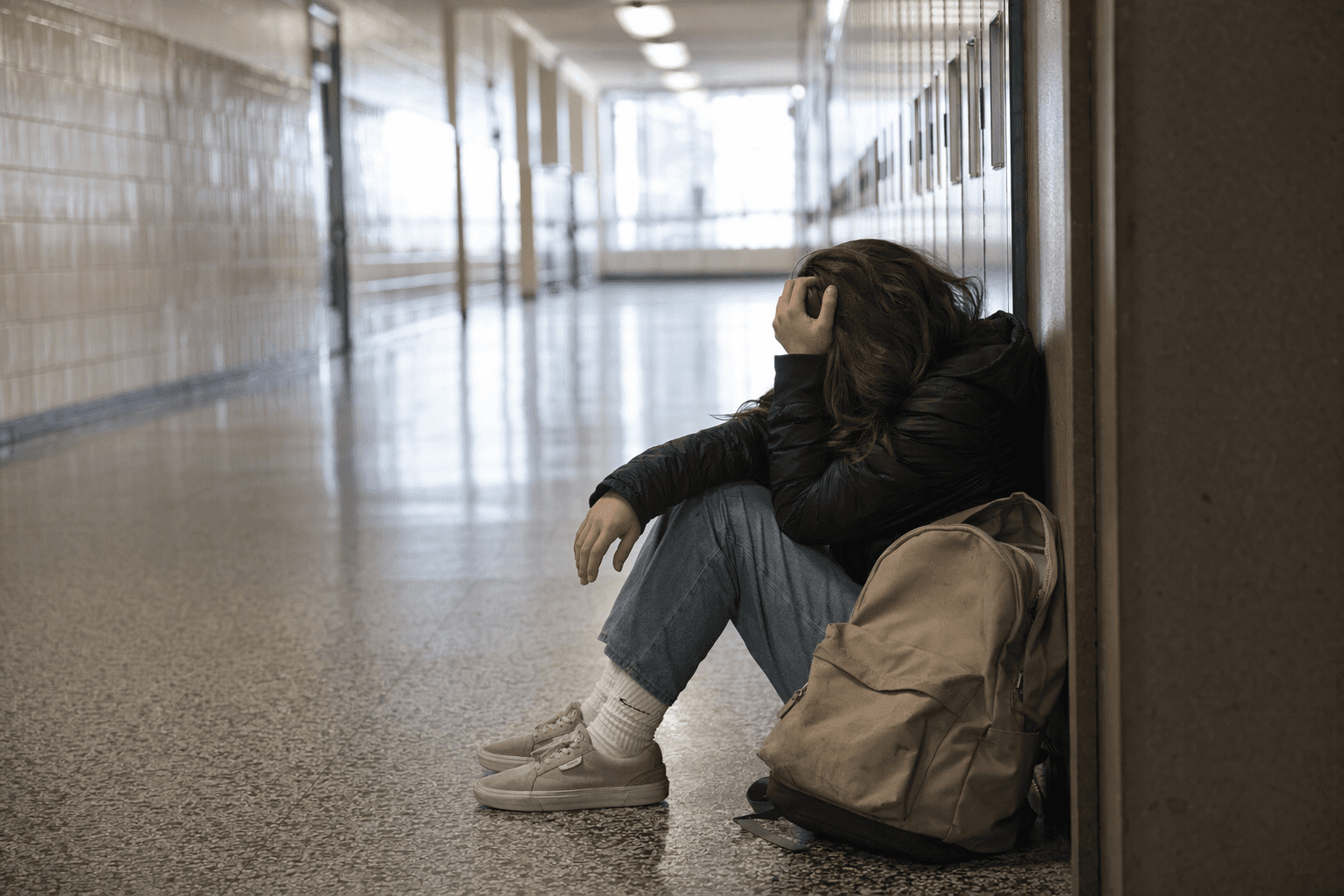
For Duluth students coping with trauma, anxiety, learning challenges and family stress, the practical effect of these cuts could be longer waits, larger caseloads and less room for early intervention before small problems become bigger ones.
Know something we missed? Have a correction or additional information?
Submit a Tip