Five Spring Day Hikes Near Duluth Perfect for Families and Newcomers
Spring hiking near Duluth rewards early risers: five accessible routes open ahead of summer crowds, offering rapids, lakeshore views, and first wildflowers for families and newcomers.

Spring is St. Louis County's most underrated outdoor season. Trails that drew shoulder-to-shoulder crowds in August sit nearly empty in April, while rivers run fast with snowmelt, migratory birds move through in waves, and the first wildflowers push through leaf litter on south-facing slopes. For families getting their bearings in the region and new residents still mapping out what's within an hour's drive of Duluth, these five hikes offer a practical, low-barrier entry point to some of the best terrain in northeastern Minnesota.
Pack waterproof boots regardless of which route you choose. Muddy stretches and isolated ice patches are common through much of April, and rapidly shifting spring weather makes layers essential. Microspikes are worth tossing in a day pack if there's any chance of early-morning frost on shaded sections. The Superior Hiking Trail Association, the Minnesota DNR, and county park pages all publish current trail conditions before you head out.
Lester River and the Jay Cooke Corridor
Few scenes in St. Louis County rival a gorge in full spring runoff. The Lester River corridor in northeastern Duluth connects to the broader network linking up with Jay Cooke State Park trailheads, giving hikers access to dramatic gorge views and fast-moving water without committing to a strenuous backcountry day. The Lester River Trail and Amity East combination runs approximately 5.5 miles with around 419 feet of elevation gain, manageable for most families with older children, and the exposed rock along the river makes for natural rest stops and easy vantage points over the churning water below. April is when this trail earns its drama: snowmelt pushes the river hard, and the contrast between bare rock, ice-edged banks, and white water is striking. Come prepared for mud; sections of the trail use clayey soil that stays slick well into spring, and the route is formally closed during the heaviest thaw periods. Waterproof footwear is not optional here.
Willard Munger State Trail
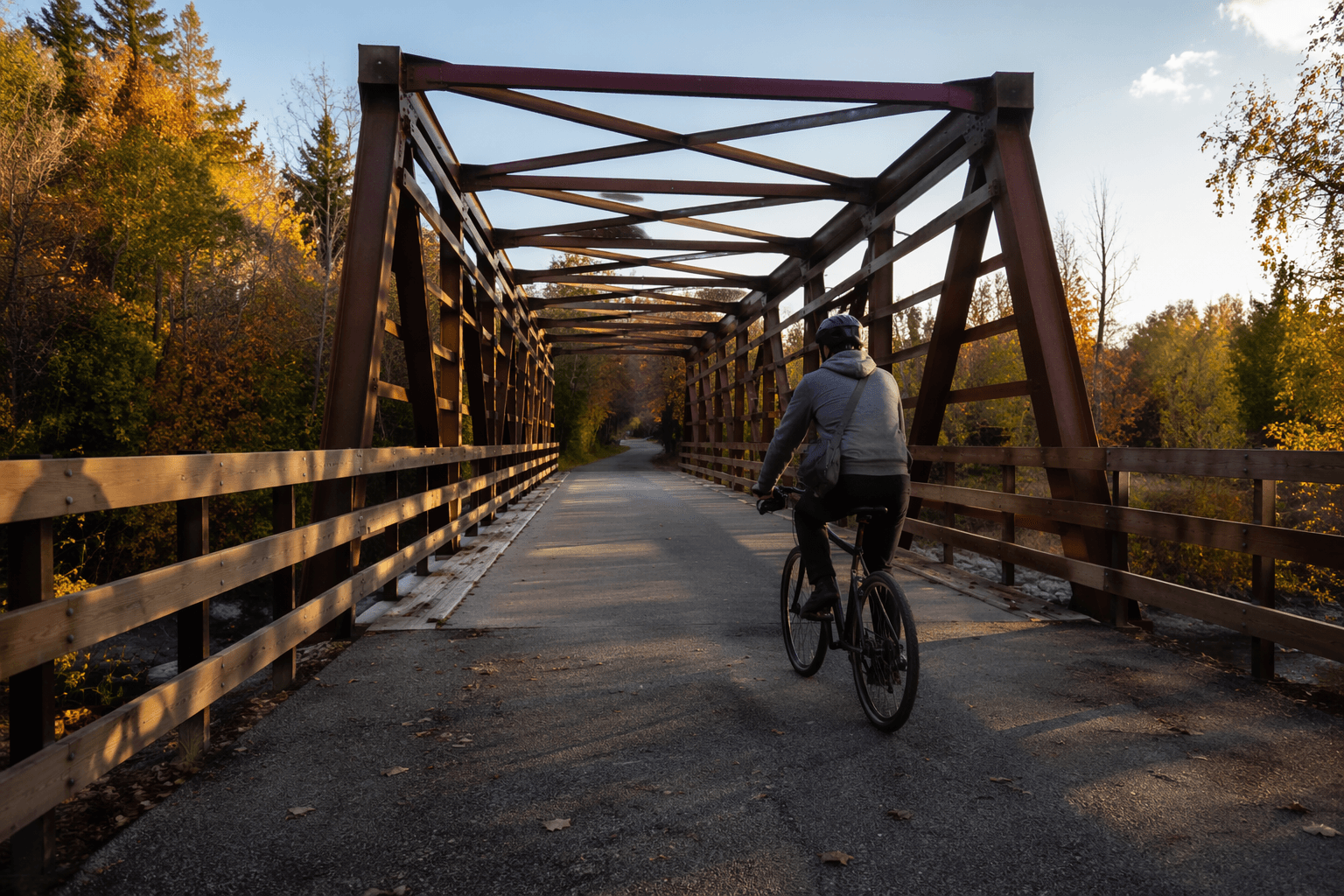
The Willard Munger State Trail is one of Minnesota's great underappreciated assets: a 63-mile paved, multiuse corridor stretching from Hinckley northeast to Duluth, following much of the former St. Paul to Duluth railroad bed through the heart of east-central Minnesota. For spring day hiking near Duluth, the northern sections between Proctor and the city's western neighborhoods offer the most accessible entry points. The trail is wide, graded gently, and well-signed, making it genuinely stroller- and bike-friendly in a way that most North Shore trails simply are not. A 3-to-5-mile out-and-back on this section demands almost no technical skill and delivers real rewards: early spring blossoms emerge along the paved corridor before most inland forest trails have shed their snow, and the trail sits within a migratory flyway that makes April and May especially productive for anyone who enjoys birding alongside their walk.
Brighton Beach and the French River Mouth
Brighton Beach, situated within Kitchi Gammi Park just north of Duluth off Highway 61, is one of those spots that feels like a local secret even though it sits minutes from the city. The beach is pebble rather than sand, and a roughly one-mile paved road runs through the park, giving families a flat and sheltered walking option. The Lester River empties into Lake Superior near here, creating a short stretch where river and lake water converge, dramatic in spring when both are running cold and fast. The bigger draw for early-season hiking is the lakeshore access itself: when inland trails are still locked under snow, the shore along the Highway 61 corridor is often fully walkable. Views across Lake Superior are unobstructed and wide. Dress for wind; this is one of the more exposed spots on the list, and lake-effect chill can make a sunny day feel significantly colder than the forecast suggests. The French River mouth, a short distance further northeast along Scenic 61, offers a similar experience with slightly more solitude.
Hartley Nature Center and Spirit Mountain's Lower Loops
Hartley Park, tucked into Duluth's Woodland neighborhood, packs an impressive 10 miles of multi-use trails into a 660-acre city park. The terrain is forested, the trails are clearly marked, and the park's year-round use means conditions tend to be more predictable than wilder backcountry options. The lower loops dry out faster than ridgeline trails, and vernal ponds scattered through the park attract frogs and waterfowl almost immediately after ice-out, giving early-spring visitors a sense of the season shifting in real time. Spirit Mountain's lower forest loops add complementary terrain nearby: minimal elevation change, first-of-season wildflowers, and early migrating songbirds drawn to the mosaic of forest edge and mature trees. Together, these two areas form one of the most family-accessible spring hiking combinations in the Duluth area, with restrooms and parking adding practical ease for outings with young kids.
Superior Hiking Trail: South-Facing Day Segments
The Superior Hiking Trail stretches more than 300 miles along Minnesota's North Shore, and it would be a mistake to write it off as a summer-only trail. The key in spring is route selection. South-facing slopes at lower elevations near Duluth and Two Harbors shed snow weeks ahead of north-facing ridgelines, and short day segments of one to four miles on these sections are hikeable by mid-to-late April in most years. These are also the sections where spring ephemeral wildflowers appear first: bloodroot and trout lily push through the leaf litter in April and May, offering a payoff that summer hikers, arriving after the canopy has leafed out, often miss entirely. For families new to the trail, the segments nearest the Duluth trailheads are the most practical starting points, with clear signage and relatively short distances to landmarks. The Superior Hiking Trail Association maintains current condition reports on its website, and consulting those before heading out is the single most useful step any first-time spring hiker on this trail can take.
Before You Go
A few consistent principles apply across all five routes. Spring temperatures near Lake Superior can swing dramatically within a few hours, so layering is essential regardless of what the morning forecast says. Waterproof footwear handles both muddy segments and surprise snowmelt crossings. Carry microspikes if shaded sections might still hold ice, and bring a basic first-aid kit on longer routes. Keep dogs leashed where required, stick to marked trails to protect private land boundaries, and pack out everything you bring in.
For real-time conditions, the Minnesota DNR, the Superior Hiking Trail Association, and individual county park pages are the most reliable sources before any outing. Northern Wilds covers trail stewardship and outdoor safety across the North Shore region with the kind of local depth that broader platforms rarely match. Spring in St. Louis County is brief and genuinely striking; catching it before the crowds arrive is half the reward.
This article was produced by Prism’s automated news system from verified source data, official records, and press releases, then run through automated quality and moderation checks before publishing. The system is built and supervised by the people who set the standards it runs under. Read our full AI policy.
Did this article answer your question?