How St. Louis County, Missouri Distributes CDBG Funds Through ZoomGrants
St. Louis County, Missouri distributes its HUD CDBG allocation through the Office of Community Development, with municipalities and nonprofits applying via the county’s ZoomGrants portal to fund projects meeting HUD’s national objectives.

Municipalities and nonprofit agencies seeking federal Community Development Block Grant (CDBG) money in St. Louis County, Missouri apply through the county’s online ZoomGrants portal to compete for the county’s annual allocation administered by the Office of Community Development, a division of the St. Louis County Department of Health and Human Services. Entitlement status comes from the county’s population and gives the county direct HUD funding for “the development of viable urban communities by providing decent housing and a suitable living environment, and by expanding economic opportunities, principally for low- and moderate-income persons” (42 USC 5301 et seq.).
All proposed activities in applications must meet HUD’s statutory and regulatory tests: “All activities undertaken with CDBG funds must (1) meet a HUD National Objective and (2) be eligible activities as defined in federal regulation 24 CFR 570.201–207.” The three National Objectives cited by local program pages are clear: “Benefit low- and moderate-income persons; Prevent or eliminate slums and blight; Address urgent community development needs.”
The application channel is the county’s ZoomGrants portal; the publicly available materials state that local governments and nonprofit agencies can apply through this portal and that “For further guidance or assistance, subrecipients are advised to contact the Office of Community Development.” The county’s public guidance does not include the ZoomGrants URL or an Office of Community Development phone or email in the supplied excerpts, so applicants should confirm the portal link and contact information with the county before preparing a full submission.
Project types typically supported by HUD and illustrated in nearby City of St. Louis program descriptions include affordable housing, neighborhood revitalization, social services, public facilities, and economic development. City of St. Louis materials note program activity examples while St. Louis County (Missouri) enforces eligibility under 24 CFR 570.201–207; regional funders such as the City’s Affordable Housing Commission recorded notable activity in 2024 when “In 2024, AHC tripled its annual awards to support 46 programs and 14 developments.”
In practice the county disburses much of its annual allocation to municipalities and nonprofit “subrecipients” to carry out projects that meet one of the three National Objectives, while retaining the ability to fund county departments and work in unincorporated areas. The county’s Office of Community Development is described as the administrative entity that “applies for, receives and provides oversight of CDBG funding for St. Louis County.”
Regional planning efforts intersect with CDBG priorities in North County. The county applied to participate in the Thriving Communities Program to expand technical capacity and increase local collaboration with the City of St. Louis and the St. Louis Economic Development Partnership. That TCP work cited urgency driven by the “the 400+ acre expansion of the St. Louis Zoo dubbed ‘WildCare Park’” and formed a core team of “representatives from St. Louis County (Public Works/Transportation, County Planning, and the County Executive’s Office), the City of St. Louis (Office of Sustainability), and the St. Louis Economic Development Partnership (Community Investment Division).”
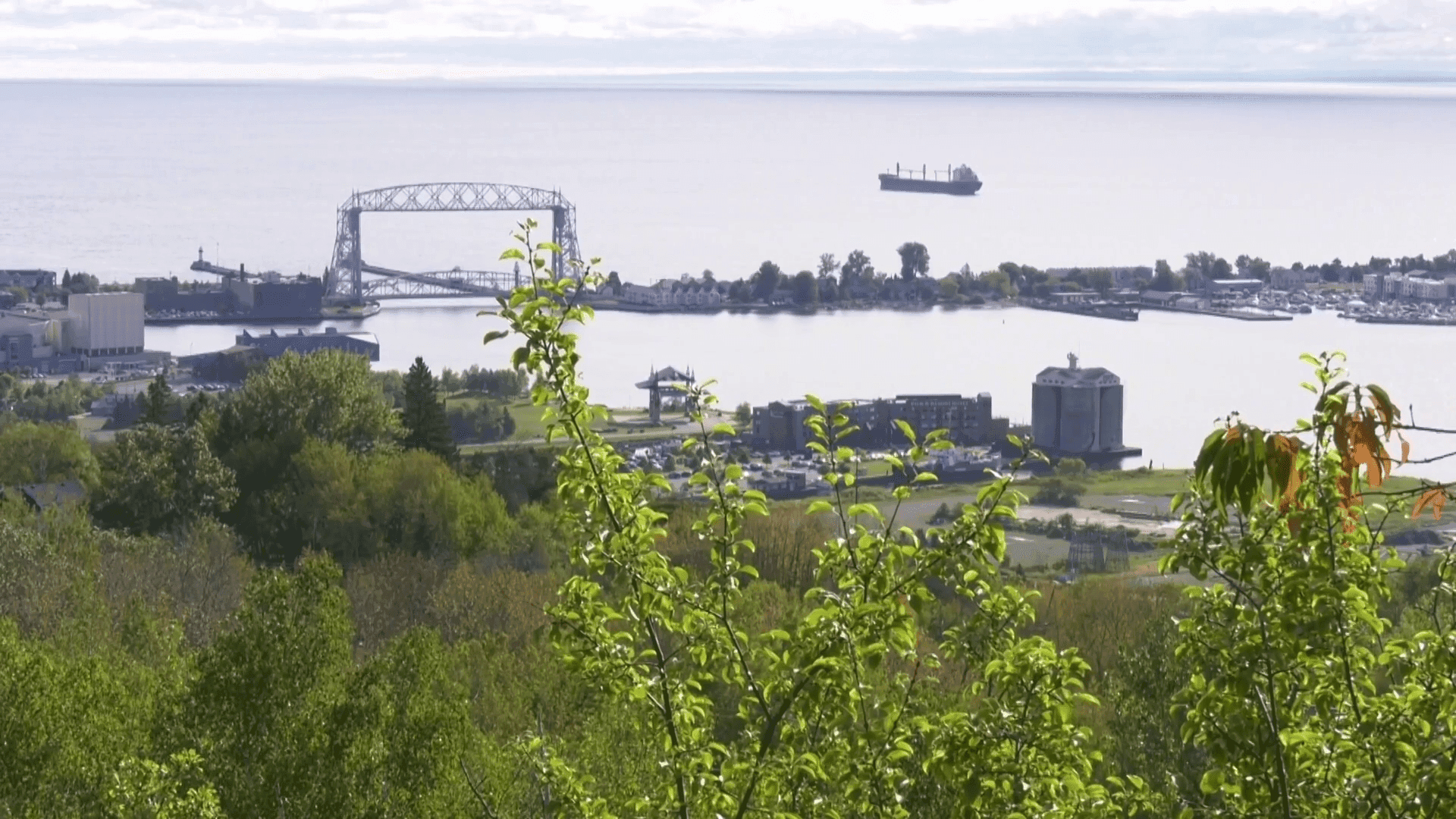
Separate materials from St. Louis County, Minnesota, illustrate complementary resources candidates may find useful: “The Resource Guide is a new and innovative product available through the St. Louis County Land Explorer that details business and homeowner development resources at the parcel level.” The Minnesota pages list contact numbers but contain discrepancies that require verification: one block lists Duluth and Virginia Government Services Centers as 218-733-2755, while another table lists Duluth as (218) 726-2000 and Virginia as (218) 749-7100.
What remains missing from county guidance supplied here are the ZoomGrants portal link, the Office of Community Development’s direct phone or email, the county’s current annual entitlement amount, typical award sizes and past award tables, and detailed application deadlines or scoring criteria. Applicants should confirm those items with the Office of Community Development and consult the legal references cited above (42 USC 5301 et seq. and 24 CFR 570.201–207) when preparing proposals.
Know something we missed? Have a correction or additional information?
Submit a Tip