Mesabi Metallics Secures $150M to Build First New Minnesota Taconite Mine in Decades
Mesabi Metallics secured $150M from Macquarie Group for its long-delayed Nashwauk mine, targeting Q3 2026 startup and 350 permanent jobs with $300M in projected local taxes.

More than 800 union construction workers are on site in Nashwauk, and for the first time in nearly two decades of delays, the financing to finish the job appears to be in place. Mesabi Metallics, backed by Essar Group, secured $150 million from Macquarie Group on Monday, the latest in a string of capital commitments pushing the $2.5 billion iron ore project closer to a Q3 2026 startup.
The Macquarie financing follows a $520 million senior secured credit facility with Breakwall Capital and backing from the U.S. Export-Import Bank, reflecting the project's growing strategic importance to U.S. manufacturing, infrastructure, automotive, shipbuilding and defense. The three deals together represent the most concentrated financial momentum the project has seen since construction began roughly 20 years ago on the site of the former Butler Taconite plant, which closed in 1985.
"This financing from Macquarie marks another major step forward for Mesabi Metallics and builds on the strong momentum we have established with our recently announced financial partnerships," said Joe Broking, president and CEO of Mesabi Metallics. "Together, these transactions reflect growing confidence in the quality, scale and strategic importance of our project as we build a new American source of DR-grade iron ore to strengthen domestic steel supply chains and reduce dependence on imports."
Macquarie senior managing director Mike Burns said the firm "enjoyed a longstanding financing relationship with Essar Group" and called Mesabi "a high-quality and strategically important project for the U.S."
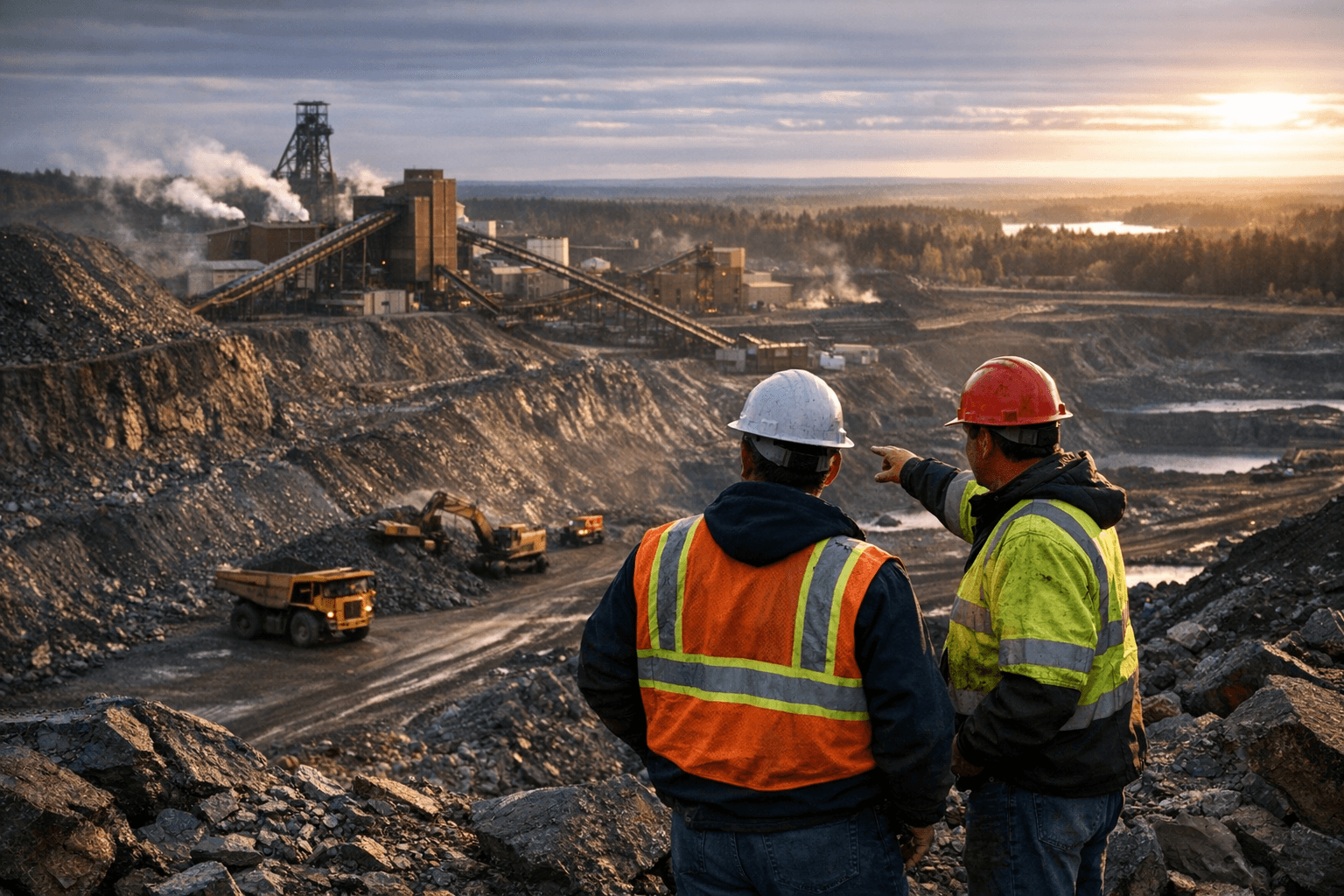
The stakes for the western Iron Range are concrete. Once completed, the project is estimated to provide more than 350 permanent steel worker positions and approximately 700 indirect jobs to strengthen the local economy and grow the local tax base. Over its lifespan, the mine is expected to pump an estimated $500 million into state school trust funds and $300 million into local taxes.
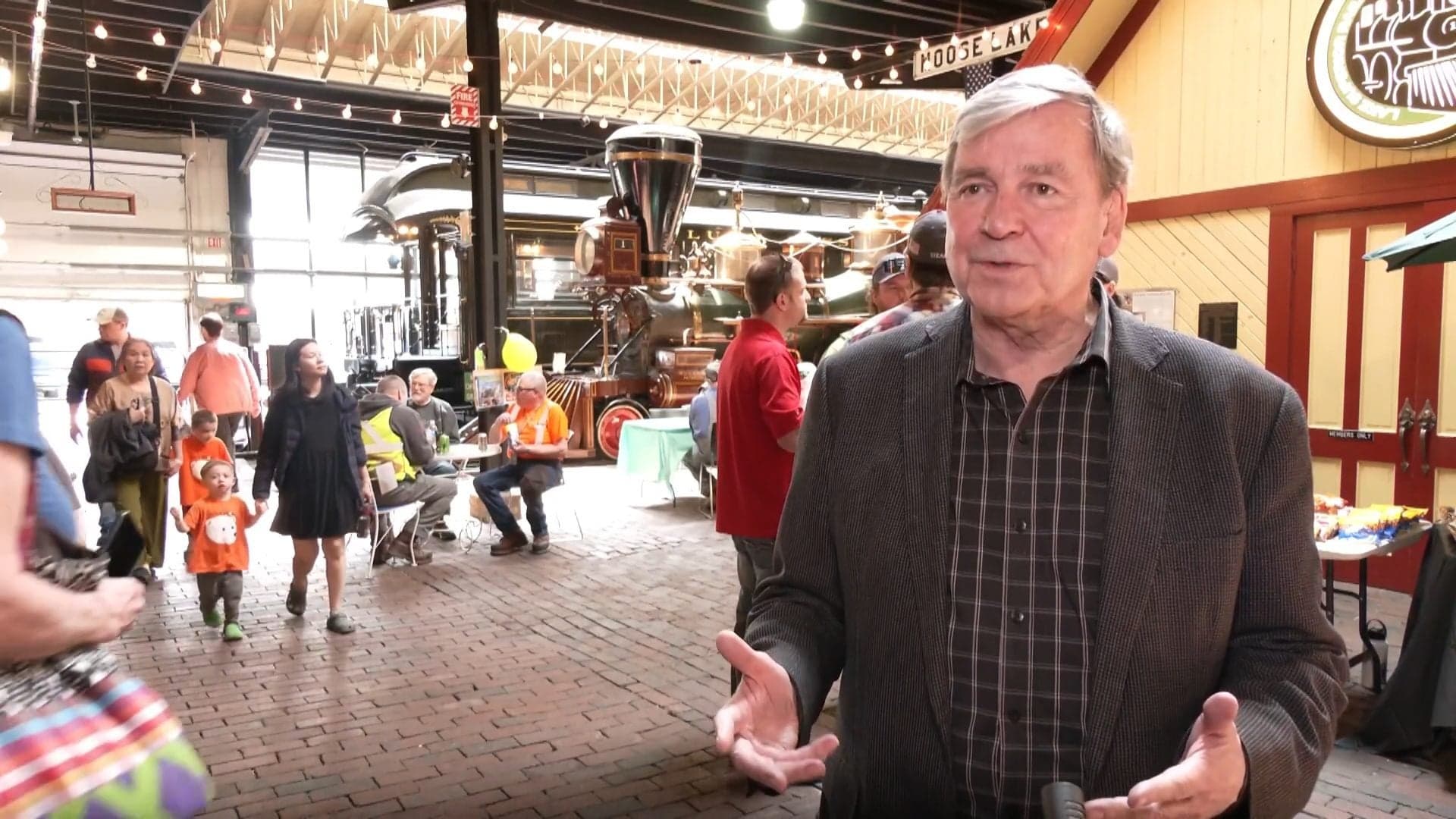
Sen. Amy Klobuchar visited the Nashwauk site around the announcement, praising the project's union jobs and its potential to reinvigorate Iron Range communities. St. Louis County commissioners have been watching closely. Commissioner Annie Harala, chair of the St. Louis County Board, called the scale of investment in Nashwauk "impressive" and said she valued "the investment in Green Steel, as well as the family wage jobs that will come with it." Vice Chair Mike Jugovich said the project "represents an important opportunity for regional economic growth and good-paying jobs for our residents."
The timeline, though, carries its own skepticism. Construction on the Nashwauk site began nearly 20 years ago and faced years of regulatory delays and financial challenges. The company had originally targeted Q1 2026 for commercial operations, then shifted to June before settling on a Q3 2026 startup. The Minnesota Pollution Control Agency placed draft air, water, and quality certification permits on public notice from December 2025 through February 2026, holding a public meeting at Nashwauk Keewatin school in January, a sign that permitting remains an active process even as construction nears completion.
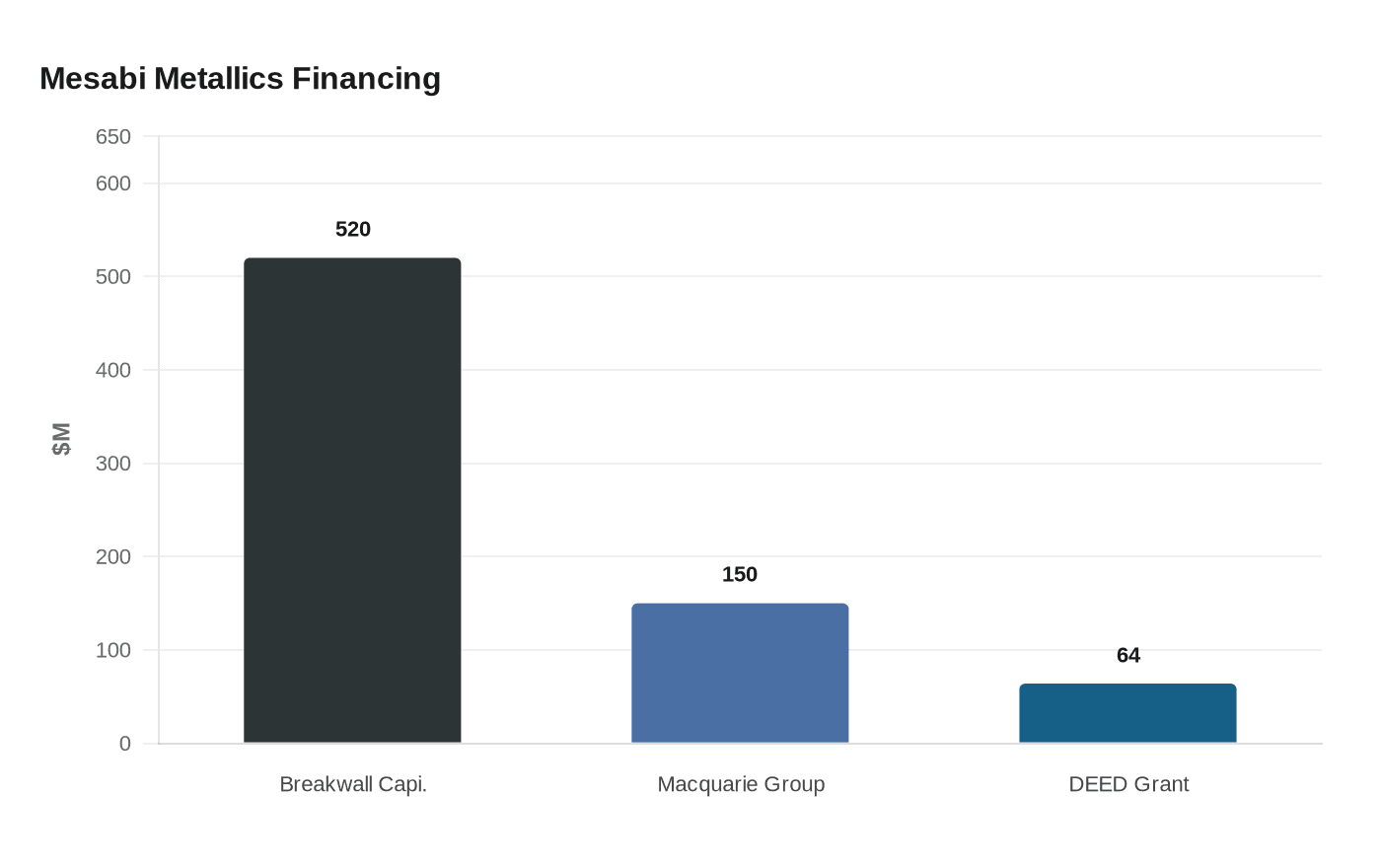
Essar Group has already invested more than $2 billion in equity into the project, which spans over 16,000 acres. DEED provided a roughly $64 million infrastructure grant to Itasca County tied to the project; Mesabi has repaid $42 million of its agreed $70 million obligation over five consecutive years.
When the plant opens this summer, it will be the first new iron ore mine in Minnesota in 50 years, producing nearly 350 full-time jobs at the western end of the Iron Range, a region that supplies 80 percent of the nation's iron ore. Whether Q3 holds will determine whether that milestone arrives before the end of the construction season, or gets pushed into 2027.
This article was produced by Prism’s automated news system from verified source data, official records, and press releases, then run through automated quality and moderation checks before publishing. The system is built and supervised by the people who set the standards it runs under. Read our full AI policy.
Did this article answer your question?