Minnesota Asks US Supreme Court to Review Duluth Shooting Conviction
Minnesota's attorney general is taking the rare step of asking the U.S. Supreme Court to reinstate Seneca Warrior Steeprock's Duluth attempted murder conviction, tossed over a warrantless DNA swab.
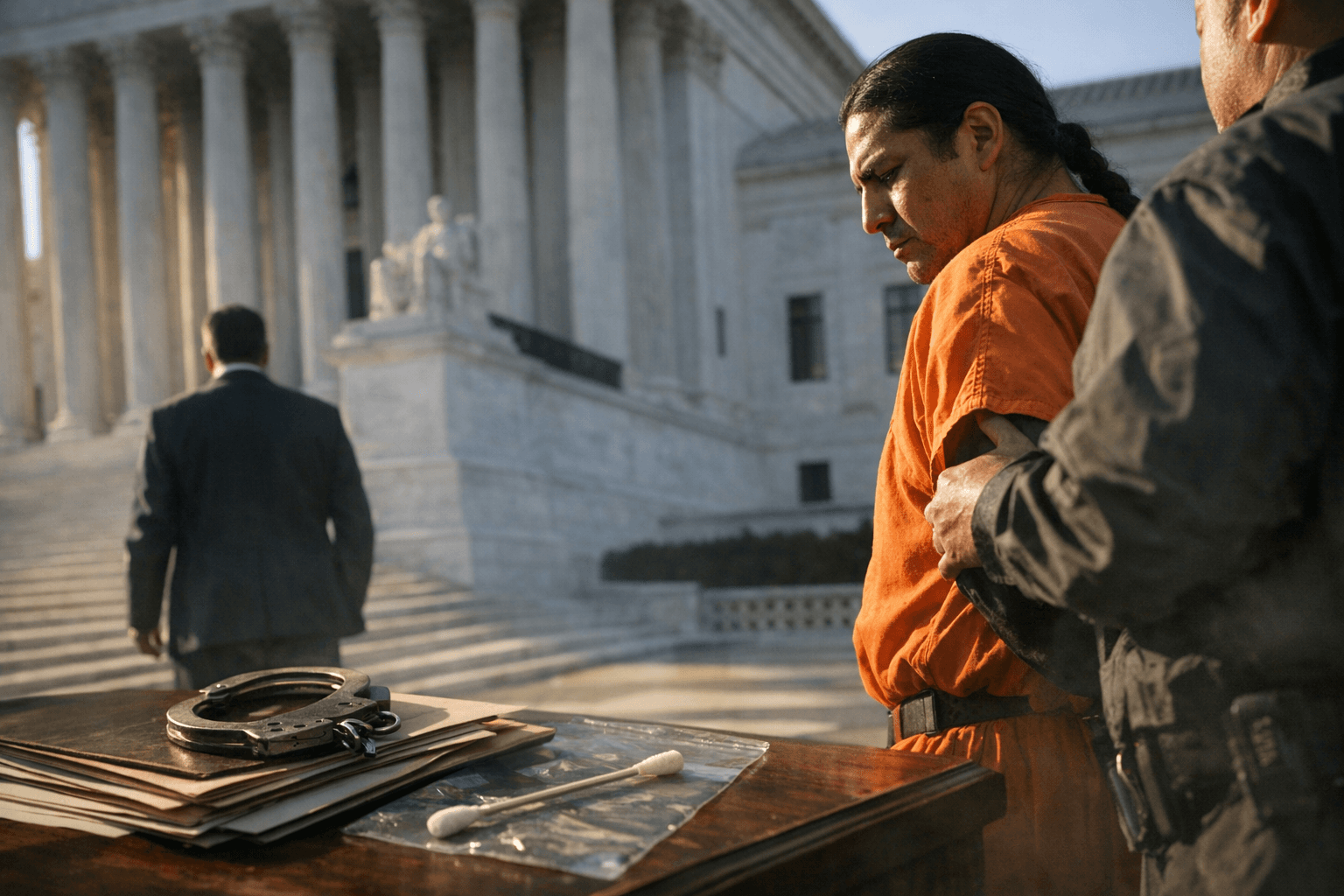
The Minnesota Attorney General's Office is asking the U.S. Supreme Court to reverse a Duluth attempted murder conviction that both the state Court of Appeals and the Minnesota Supreme Court threw out over the warrantless collection of a defendant's DNA — a legal escalation that has halted a scheduled retrial and set up what prosecutors acknowledge is a longshot bid at the nation's highest court.
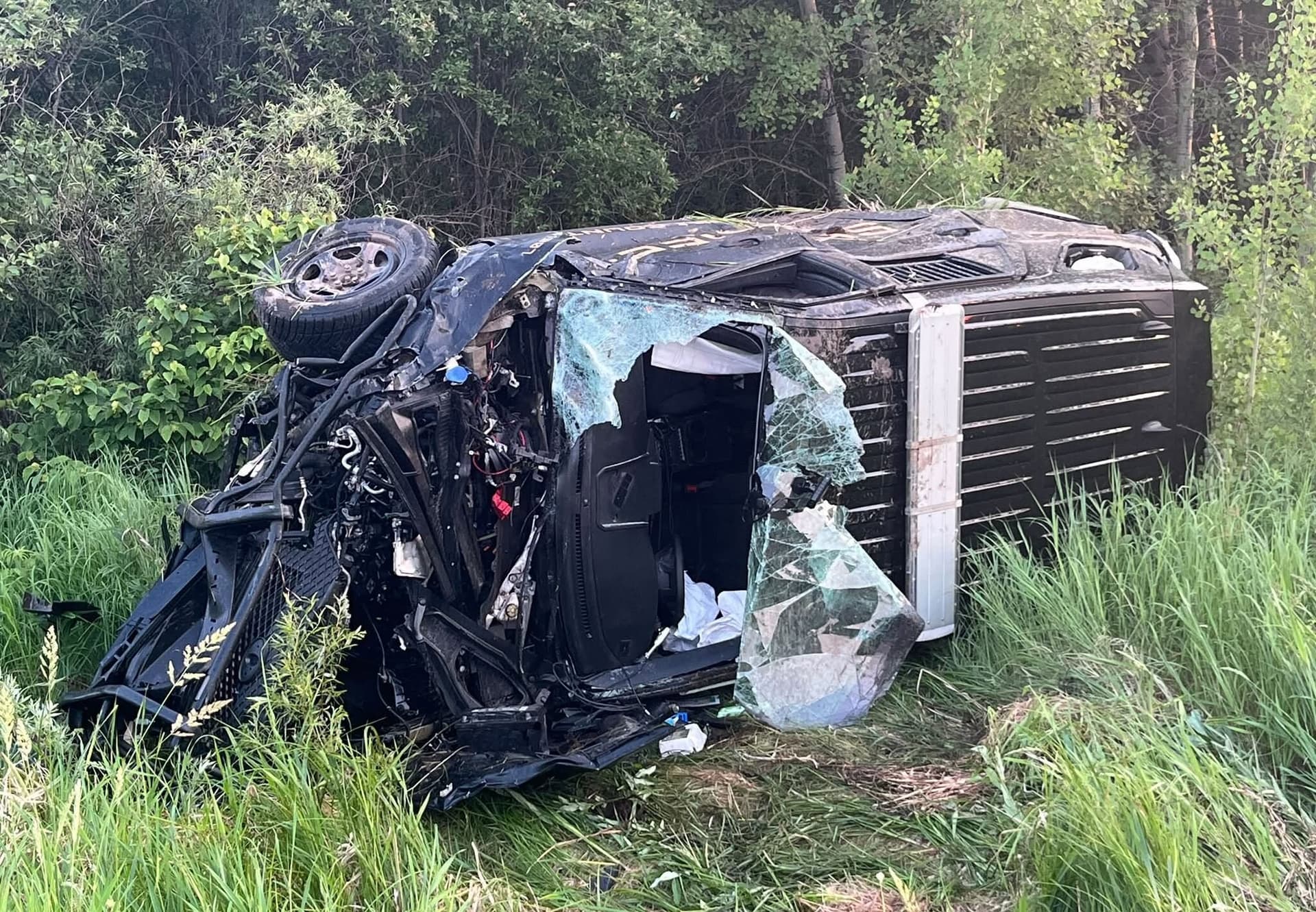
Seneca Warrior Steeprock, 44, of Jordan, and co-defendant Alexia Gah Gi Gay Mary Cutbank entered a Central Hillside apartment and fired at least 15 shots at Cameron Maurice Jones, 20, of Cass Lake, who was lying prone on a bed. The ambush is believed to be connected to another Bemidji-area killing committed by Cutbank's brother in November 2020; the victim in that case was Charles "Chucky" Kingbird. Steeprock and Cutbank were later arrested outside Gateway Tower Apartments, where Duluth police found Jones' car.
In February 2023, a Duluth jury convicted Steeprock of first-degree attempted murder for participating in the ambush. He has been serving a 20-year prison term after the jury found him guilty of aiding and abetting attempted premeditated first-degree murder and possession of a firearm by a felon.
The conviction unraveled over how prosecutors obtained Steeprock's DNA. An initial DNA sample was taken from Steeprock pursuant to a search warrant, but prosecutors later agreed to set it aside after a legal challenge from Cutbank's defense. The county attorney's office then filed a motion to compel a new saliva sample under the court's discovery rules, which Judge Leslie Beiers granted. A three-judge appeals court panel ruled in July that Beiers erred by allowing the prosecution to obtain the DNA sample by court order rather than through a search warrant. Judge Diane Bratvold wrote that "[t]he constitutional error in admitting the DNA evidence at Steeprock's jury trial was not harmless beyond a reasonable doubt."
The Minnesota Supreme Court took up the case and sided with the appeals panel. The court held that collecting a buccal swab for DNA analysis without a warrant or a valid exception constitutes an unreasonable search under both the United States and Minnesota Constitutions, and rejected arguments that a procedural rule or court order could replace a warrant. In doing so, the state Supreme Court overturned its own 1998 precedent, finding that the DNA workaround did not meet the criteria for the "inevitable discovery exception," which allows evidence to be admitted even when illegally collected if investigators would have obtained it through a legal means anyway.
That ruling drew a notable dissent. Justice Anne McKeig contended there was "ample probable cause" to obtain a warrant, which she said investigators "undoubtedly" would have done. Joined by Justice Gordon Moore, she wrote that the ruling creates an "extraordinarily high standard" that may effectively abolish the inevitable discovery doctrine in Minnesota.
Now the Attorney General's Office is carrying that argument to Washington. Steeprock was set to face a second trial, but it has been pulled from the calendar. Assistant St. Louis County Attorney Vicky Wanta has asked the court to suspend jury proceedings until a decision is made by the Supreme Court. County and state attorneys believe the ruling establishes an "extraordinarily high bar" and places Minnesota "at odds with other states," Wanta wrote.
The odds are steep. Assistant Minnesota Attorney General Thomas Ragatz previously argued that the ruling's "statewide importance ... cannot be overstated," warning that it "has already disrupted trials, will require search warrants and new DNA analysis by the (Minnesota Bureau of Criminal Apprehension) in every open case where a DNA sample was obtained" under the challenged procedure.
Police obtained a new search warrant for Steeprock's DNA in February to comply with the appellate orders. Defense attorney Gerald Wallace has requested a hearing to challenge that seizure, alleging the application "contains deliberate misrepresentations and omissions." Steeprock is being held at the St. Louis County Jail on $200,000 bail while awaiting the next steps in his case.
Cutbank, 24, pleaded guilty to attempted murder and is serving her sentence alongside a 20-year federal prison term for an August 2019 murder on the Red Lake Indian Reservation. Whether Steeprock faces a second Duluth trial now depends on whether four justices of the U.S. Supreme Court agree the case merits their attention.
This article was produced by Prism’s automated news system from verified source data, official records, and press releases, then run through automated quality and moderation checks before publishing. The system is built and supervised by the people who set the standards it runs under. Read our full AI policy.
Did this article answer your question?