Minnesota Lawmakers Push to Lift Secrecy Surrounding Data Center Proposals
Google's $650 million Hermantown data center was kept secret under a code name for a year. Now Minnesota lawmakers have advanced bills to ban the NDAs that made it possible.
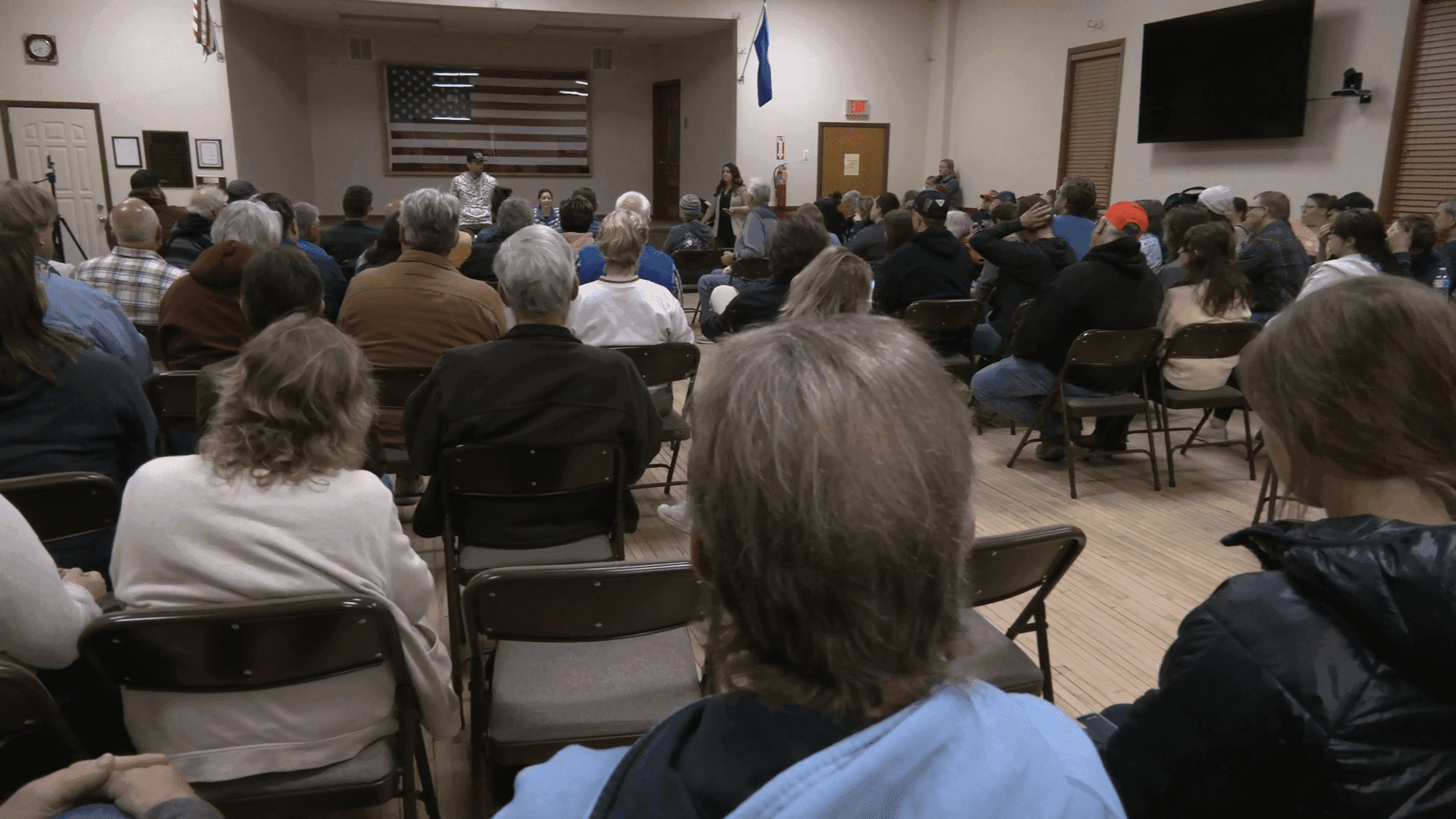
Hermantown city leaders, including the mayor, discussed initial details of a potential Google data center in private as early as September 2024, yet the city refused to tell the public that the mystery development was a data center until a year later. That pattern of secrecy, replicated across more than a dozen proposed projects statewide, has now reached a breaking point at the Minnesota Capitol.
For the second year in a row, legislation to force more transparency about potentially massive data centers in Minnesota has significant bipartisan support at the Capitol, yet once again there is enough resistance to put its fate in doubt, even as momentum builds to enact some type of ban on local government officials signing non-disclosure agreements, a sign of just how unpopular the NDAs have been in cities like Hermantown, Rosemount and Farmington.
One measure would prohibit local governments from entering into NDAs with private companies, while a second would require at least two public hearings and disclosure of key details including the company behind the project, its size, and potential impacts such as energy use. A Senate committee approved the bills on March 17 on an 8-2 vote, sending them to the Senate Judiciary Committee. A similar House measure banning NDAs advanced to the floor after unanimous committee approval.
In the Minnesota House, the proposal to ban NDAs is co-authored by Rep. Emma Greenman, DFL-Minneapolis, and Rep. Drew Roach, R-Farmington. "We both introduced bills on this topic because we're hearing from our constituents and folks across the state about the need to protect the public's right to know," Greenman said. Roach represents Farmington, where there has been strong public pushback against a proposed $5 billion data center.
About a dozen data center projects have been proposed across Minnesota, but only one in Rosemount, dubbed "Project Bigfoot," is currently under construction. That development was not publicly linked to Meta Platforms until after the Rosemount City Council approved it, said Sen. Erin Maye Quade, DFL-Apple Valley. Hermantown's project was similarly shielded, operating under the code name "Project Loon" before Google publicly confirmed its involvement.
Maye Quade, who authored the Senate bills, framed the push in blunt terms: "This isn't about how we feel about data centers. It's about government transparency. Minnesotans have a right to know what their elected officials are doing. We cannot let code names, aliases and NDAs become the norm in Minnesota."

The Hermantown controversy took a particularly sharp turn when St. Louis County Commissioner Ashley Grimm discovered that three of her fellow publicly elected commissioners had been bound by Project Loon NDAs, a fact she only learned after overhearing comments from a staffer. In Farmington, controversy over a proposed data center resulted in a heated city council meeting that ended with Mayor Joshua Hoyt resigning.
Some Republicans and Democrats have coalesced around a narrower compromise: banning only elected officials from signing NDAs, while allowing city staffers who work on economic development to retain the ability to sign them. Sen. Grant Hauschild, DFL-Hermantown, who voted against Maye Quade's legislation last year and supports data center projects, said NDAs were a "friction point" in Hermantown and that there was "room for improvement" by the city; he introduced the narrower version of the NDA ban applying to elected officials.
Industry representatives argued that eliminating NDAs entirely could threaten investment. Jonathan Cotter, director of health care and commerce policy at the Minnesota Chamber of Commerce, said "companies often need to share sensitive information about their business operations" and that without some confidentiality, "economic development opportunities will be impacted."
The AFL-CIO and the Minnesota Building and Construction Trades Council, two powerful labor groups that hope to benefit from jobs data centers would bring, wrote top Democrats a letter in March urging them to maintain the 2025 data center deal and not advance legislation in 2026 that materially changes those conditions.
Minnesota already has more than 60 data centers in operation, according to the nonprofit Clean Water Action. The question now before the Legislature is whether residents in the next community targeted by a tech giant will know who is proposing what before their city council has already voted yes.
This article was produced by Prism’s automated news system from verified source data, official records, and press releases, then run through automated quality and moderation checks before publishing. The system is built and supervised by the people who set the standards it runs under. Read our full AI policy.
Did this article answer your question?