Minnesota Proposes Aerial Spongy Moth Treatments in St. Louis County, Public Meeting Scheduled
Low-flying aircraft could spray St. Louis County forests this summer to stop spongy moths, which feed on 300+ tree species and cause billions in damage.
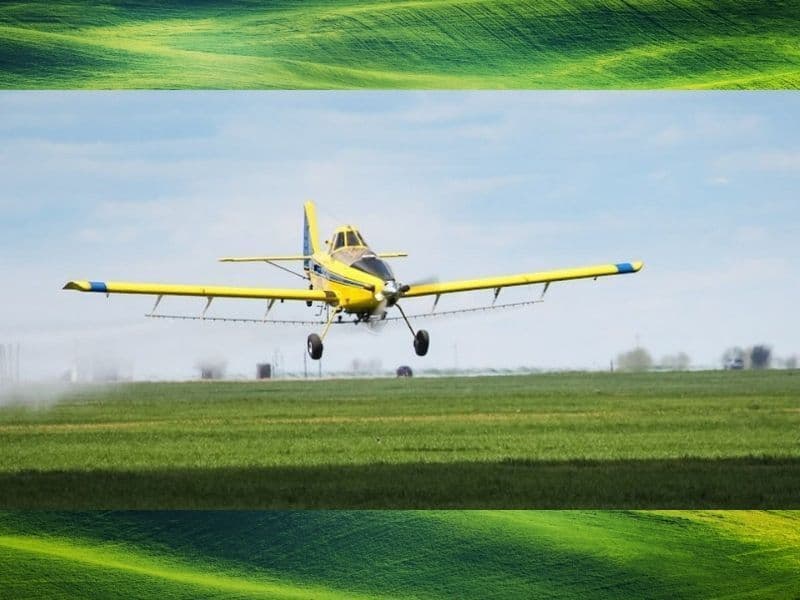
Low-flying aircraft could be dispersing moth-confusing pheromones over St. Louis County tree canopies as early as May, under a proposal from the Minnesota Department of Agriculture to combat one of North America's most destructive forest pests.
Sixteen treatment areas spanning Aitkin, Carlton, Pine and St. Louis counties are proposed for spongy moth management, according to reporting by northeastern Minnesota public radio station KAXE. The MDA's own program documentation describes a broader statewide effort with 43 treatment areas totaling approximately 115,000 acres across nine counties, adding Anoka, Fillmore, Houston, Itasca and Winona to the northeastern cluster. A third count circulating in local media puts the figure at 35 areas covering roughly 152,000 acres. The MDA has not yet confirmed which figure reflects the final 2026 proposal, and the agency's interactive map on its website allows residents to check whether their address falls within a proposed zone.
The primary tool proposed for St. Louis County and neighboring areas is SPLAT GM-O, short for Specialized Pheromone and Lure Application Technology Gypsy Moth-Organic. The product saturates the air around tree canopies with spongy moth pheromones, overwhelming male moths' ability to locate females and preventing mating. It would be applied by low-flying aircraft directly to treetops. Depending on the specific management area, crews may instead use Bacillus thuringiensis var. kurstaki, a biological insecticide that carries organic certification for use on food crops. The MDA has said all ingredients are listed by the Environmental Protection Agency as safe for humans and animals.
Kimberly Thielen Cremers, the longtime manager of the MDA's spongy moth program, framed the urgency of early intervention plainly: "I always give the analogy it's like a forest fire. We go out and look for the sparks, and put them out, before they can become flames."

The spongy moth, known scientifically as Lymantria dispar, is now established across most of Wisconsin and is pressing into northeastern and southeastern Minnesota. Its caterpillars feed on more than 300 tree species, including Minnesota's most common, and the pest has caused millions of dollars in forest damage nationally. Left unchecked, infestations can defoliate millions of acres and generate billions in property damage.
Aerial operations are scheduled for May through July, adjusted for insect development and weather conditions. One significant caveat: the proposed management activities depend on federal funding from the U.S. Department of Agriculture Forest Service that had not yet been issued to the MDA as of mid-March.
A virtual public meeting is set for Tuesday, March 24, from 6 to 7 p.m. Advanced registration is not required, though residents can register and find additional information through the MDA's website, which also hosts the interactive treatment area map and a sign-up portal for text and email notifications about operations.
This article was produced by Prism’s automated news system from verified source data, official records, and press releases, then run through automated quality and moderation checks before publishing. The system is built and supervised by the people who set the standards it runs under. Read our full AI policy.
Did this article answer your question?