St. Louis County Residents Can Track Government Decisions, Attend Public Hearings
St. Louis County posts public notices and holds open hearings on roads, zoning, and more. Here's how to track decisions before they're made.
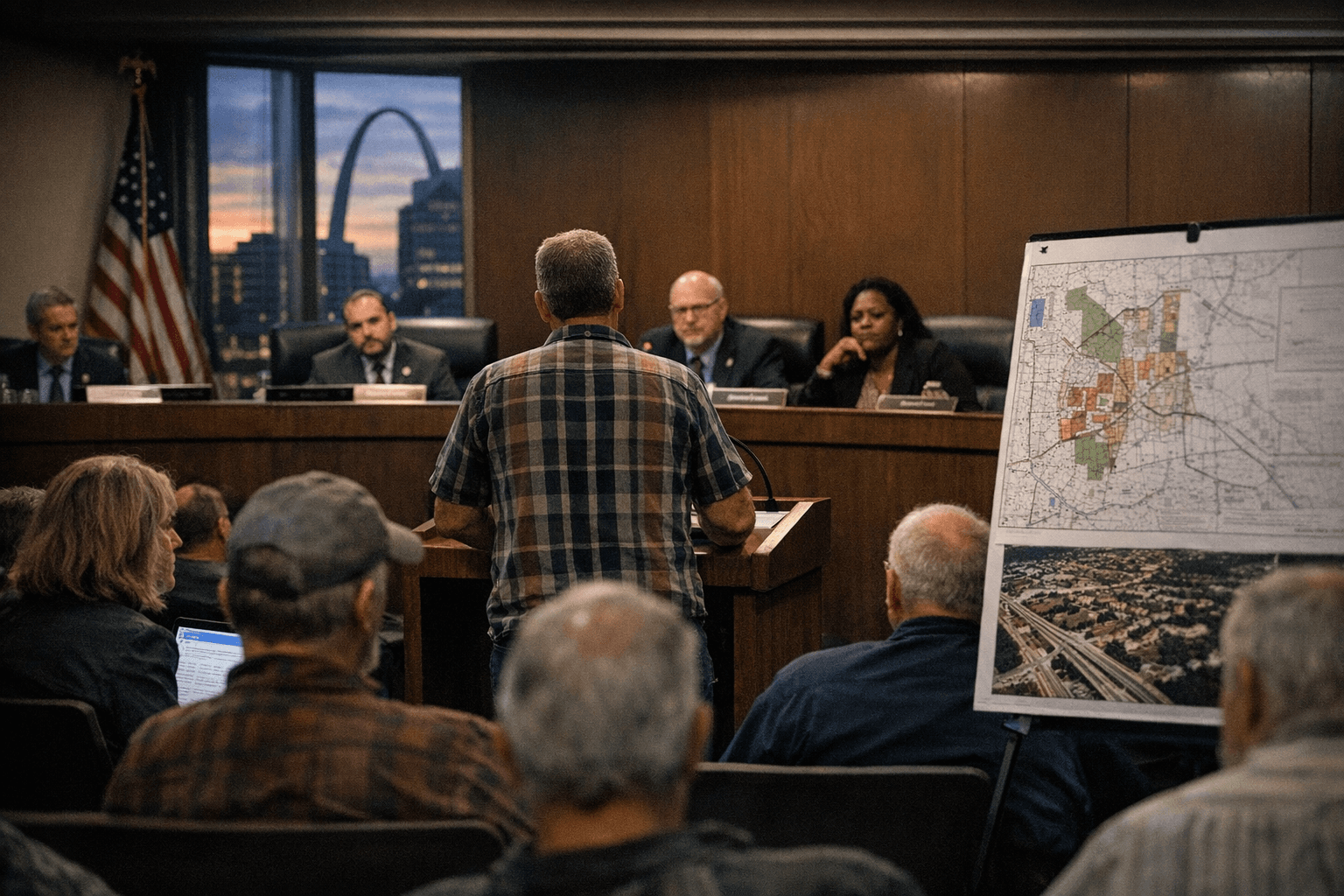
Zoning changes, road projects, land-use decisions: the choices that reshape daily life in St. Louis County move through a public process that most residents never see. That process is open to anyone willing to show up, speak up, or simply pay attention. Knowing where to look and how to engage is the first step.
Finding public notices
St. Louis County is required by law to publish public notices before major government actions, from proposed zoning amendments to infrastructure contracts. These postings serve as the official record that a decision is coming, and they are the earliest point at which residents can learn about changes affecting their neighborhoods.
The county publishes notices through several channels. Print notices appear in designated legal newspapers, as required under Minnesota statute. Digital postings are available through the county's official website, where residents can browse upcoming actions organized by department or subject matter. Checking both sources regularly, particularly if you live near a planned road corridor or an area under development pressure, gives you the most complete picture.
Notices typically include a description of the proposed action, the relevant parcel or project location, the responsible county department, and the date of any scheduled hearing. Reading the notice carefully before a hearing lets you arrive prepared rather than learning the details in the room.
County board workshops and public hearings
The St. Louis County Board of Commissioners holds regular meetings, workshops, and public hearings where decisions are deliberated and finalized. Workshops are generally working sessions where commissioners review staff reports and ask questions; they are open to the public, though formal comment periods may not always be built in. Public hearings, by contrast, are specifically structured to receive testimony from residents, and your comments become part of the official record.
Attending in person remains the most direct way to participate. Hearings are held at county facilities, and the agenda, along with supporting documents, is typically posted in advance. Arriving early gives you time to review materials, sign up to speak if a comment list is used, and understand the procedural order of the session.
If you plan to speak, prepare a clear, concise statement. Commissioners and hearing officers work through long agendas, and focused testimony covering who you are, where you live, and how a specific proposal affects you carries more weight than general commentary. Written comments submitted before a hearing deadline are also entered into the record and receive the same legal standing as spoken testimony.
Remote participation options have expanded in recent years. Many county meetings now offer video or phone access for residents who cannot attend in person, and some allow written comments to be submitted electronically up to a set deadline. Checking the specific meeting notice for participation instructions is essential, as procedures can vary by meeting type and department.
Land use and zoning decisions
Land-use decisions are among the most consequential actions St. Louis County government takes, affecting property values, neighborhood character, road access, and environmental conditions across a county that spans more than 7,000 square miles. Proposed rezonings, conditional use permits, and comprehensive plan amendments all follow a notice-and-hearing process before the board acts.
The county's planning and community development functions coordinate these reviews. When a landowner or developer applies for a zoning change or permit, the application triggers a review period during which the public notice is issued and a hearing date is set. Neighboring property owners within a defined radius are often notified directly by mail, but the public notice process covers the broader community regardless of proximity.
Understanding the difference between a staff recommendation and a board decision matters here. Staff reports analyze an application against county ordinances and offer a recommendation, but the board makes the final call. Residents who disagree with a staff recommendation still have full standing to testify at the hearing and make their case directly to commissioners.
Road and infrastructure projects
Road projects in St. Louis County, from routine maintenance schedules to major corridor improvements, go through planning and approval processes that include public input opportunities. Environmental reviews for larger projects often require formal comment periods under state and federal rules, creating additional windows for resident participation beyond the standard board hearing.
Keeping track of capital improvement plans, which outline the county's multi-year infrastructure spending priorities, gives residents early visibility into what projects are being planned before construction timelines are set. These documents are public and available through the county's highway and public works departments.
Using county contact channels
Direct contact with county departments is often the fastest way to get specific answers. Each county department maintains staff contacts, and the county's main administrative offices can route inquiries to the right person. For questions about a specific parcel, zoning classification, or road project, contacting the relevant department directly, whether planning, highways, or the county administrator's office, typically produces more precise information than searching public documents alone.
The county board office can also confirm meeting schedules, provide agenda materials in advance, and explain the process for submitting written comments. For residents following a particular issue over time, establishing contact with the relevant department early in the process makes it easier to stay informed as decisions develop.
Public records requests are another tool available to residents who want documentation beyond what is routinely posted online. Under Minnesota's Data Practices Act, most county records are presumed public and must be provided upon request, giving residents access to staff analyses, correspondence, and internal communications related to decisions that affect them.
Staying consistently engaged
Government decisions in St. Louis County rarely happen in a single meeting. Zoning cases move through planning commission review before reaching the board. Road projects cycle through budgeting, environmental review, and design phases over years. Tracking a decision from its earliest notice through its final vote requires consistent attention rather than a single visit to a public hearing.
Signing up for email alerts through the county website, bookmarking the board's meeting calendar, and setting periodic reminders to check public notice postings are practical habits for residents who want to stay ahead of decisions rather than react after the fact. The process is designed to be open. Taking advantage of it is a matter of knowing where to look.
This article was produced by Prism’s automated news system from verified source data, official records, and press releases, then run through automated quality and moderation checks before publishing. The system is built and supervised by the people who set the standards it runs under. Read our full AI policy.
Did this article answer your question?