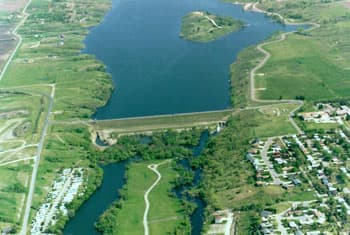
Chase Lake refuge offers limited access, major bird habitat near Medina
Chase Lake is not an open picnic stop: federal rules limit access to protect one of North America's biggest white pelican colonies, while hunting and other uses are guided by FWS pages.
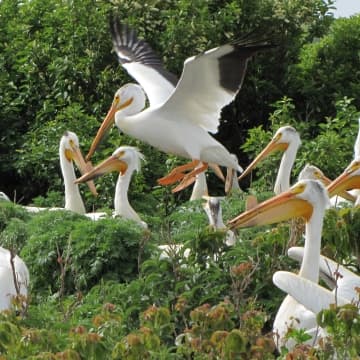
Chase Lake near Medina is best understood as a managed federal landscape, not a casual stop on the map. The refuge draws birders for one of the largest American white pelican nesting colonies in North America, but access is deliberately limited to protect wildlife and habitat.
What Chase Lake is, and why it matters here
Chase Lake National Wildlife Refuge sits in Stutsman County as part of the National Wildlife Refuge System, where the main job is conservation rather than unrestricted recreation. Recreation.gov says the refuge was established in 1908 under President Theodore Roosevelt as a reserve and breeding ground for native birds, making it the 15th refuge established in the country.
That history still shapes how the place works today. The refuge is not treated like a county park or a lake with open shoreline access. Instead, the U.S. Fish & Wildlife Service maintains dedicated pages for visiting, activities, wildlife watching, and hunting, which signals that public use is allowed, but only under federal rules that protect the habitat first.
For Stutsman County residents, that distinction matters because it changes what a visit looks like on the ground. You can plan for birdwatching, and in some cases hunting, but you should expect a regulated wildlife area where access is managed around nesting birds and habitat conditions rather than open-ended recreation.
Why birders come, and when the birds are there
The biggest draw is the pelican colony. Recreation.gov describes Chase Lake as home to one of the largest American white pelican nesting colonies in North America, which makes the refuge a major bird habitat, not just a local viewpoint.
eBird says pelicans and other bird species nest on the refuge from April through September. That stretches the most sensitive season across spring and summer, which helps explain why visitor access is limited. If you are planning a trip around peak bird activity, that nesting window is the one to keep in mind.
The practical takeaway is simple: Chase Lake is valuable because it holds birds during the months when they are breeding, feeding young, and most vulnerable to disturbance. That is the reason visitors are directed to follow official refuge guidance rather than assume the shoreline or surrounding land is open in the same way a public park would be.
Refuge land versus wetland district land
The refuge itself is only part of the story. Chase Lake Wetland Management District adds a second layer of federal land management in Stutsman County and nearby Wells County. Recreation.gov says the district was established in 1993 and manages U.S. Fish & Wildlife Service-owned waterfowl production areas as well as wetland and grassland easements on private lands in both counties.
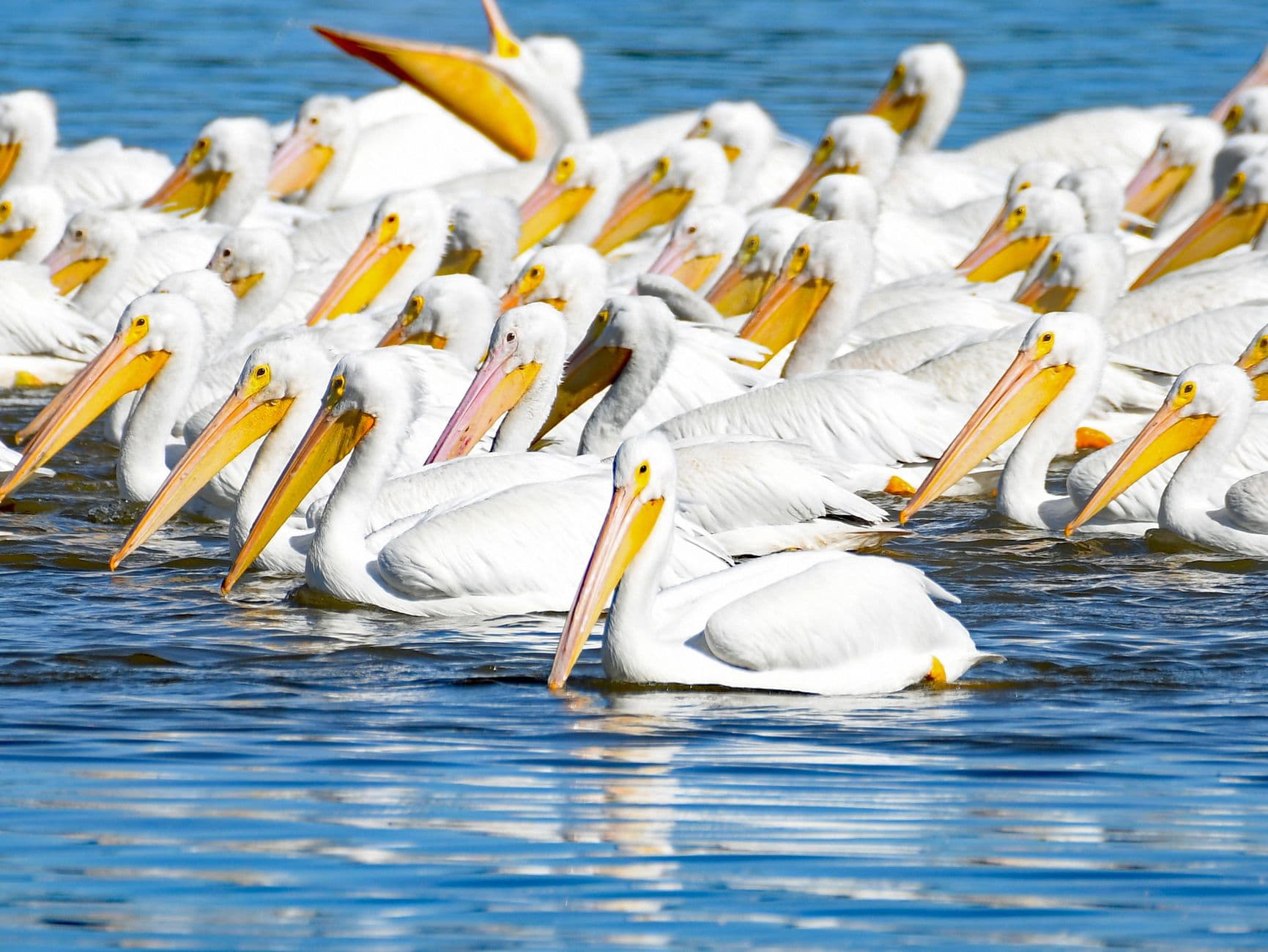
That matters because the district is not the same thing as the refuge. The refuge is the core breeding area centered on Chase Lake, while the district covers a broader patchwork of conservation lands and easements tied to wetland and grassland protection. In practice, that means public access can vary by parcel, and the rules are not identical everywhere.
The district is also part of the Prairie Pothole Region, which Recreation.gov describes as the most productive area for breeding waterfowl in North America. That puts Chase Lake into a much larger migration and nesting system that reaches far beyond one lake or one township. For local readers, it explains why this corner of central North Dakota attracts so much federal conservation attention.
What hunters, birders, and families can actually do
The U.S. Fish & Wildlife Service pages for Chase Lake include separate information for visiting, wildlife watching, activities, and hunting, which is the clearest sign that public use is allowed in a structured way. That structure matters because the refuge is managed for habitat protection first, and visitor access is limited.
For birders, that means the refuge is best approached as a place to observe from approved public-use areas and to check current refuge guidance before heading out. For hunters, the presence of a dedicated hunting page means hunting is part of the management picture, but it is guided by federal rules rather than by county custom or informal access. For families, the main planning point is to treat Chase Lake as a regulated conservation area, not a general-purpose lake with open access.
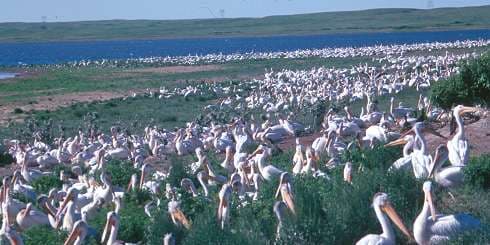
- The refuge protects the core nesting and breeding habitat near Chase Lake.
- The wetland management district covers a wider network of waterfowl production areas and easements in Stutsman and Wells counties.
- Public use exists, but it is organized through U.S. Fish & Wildlife Service guidance.
- Access is limited where wildlife protection requires it, especially during the nesting season.
A useful way to think about it is this:
That framework helps explain why a trip here can be rewarding without being casual. The area still welcomes birders, hunters, photographers, and other visitors, but the terms of access are set by habitat needs.
Why this federal management shape matters locally
Chase Lake shows how federal land decisions affect everyday life in Stutsman County. The refuge’s 1908 creation under Theodore Roosevelt, its status as the 15th refuge in the country, and the later creation of the wetland management district in 1993 all point to the same reality: this is a landscape built for conservation over the long term.
That has concrete consequences. It preserves breeding habitat for pelicans and other birds from April through September. It also gives hunters and wildlife watchers a place to use, but only within rules that protect the land’s main purpose. In a county known for agriculture, small towns, and open prairie, Chase Lake stands out because it is one place where federal management decisions directly determine who can enter, what they can do, and how the habitat survives from one season to the next.
This article was produced by Prism’s automated news system from verified source data, official records, and press releases, then run through automated quality and moderation checks before publishing. The system is built and supervised by the people who set the standards it runs under. Read our full AI policy.
Did this article answer your question?