Historic Franklin School blends Jamestown history, preservation and community use
Franklin School still pays Jamestown back: a former classroom building now hosts computer classes, school programs and a business incubator at 308 2nd St. SW.

Historic Franklin School is more than a preserved façade on 2nd Street SW. It is a former public school that kept Jamestown students in class from 1901 until 2000 and now returns value to Stutsman County by hosting computer classes, other school programs and a business incubator inside the same walls. The building’s preservation is not just about saving bricks and old chalkboards. It is about keeping a working civic space in use at 308 2nd St. SW in Jamestown.
A school building that still serves the public
Franklin School’s most important feature is its continuity. For nearly a century, children in Jamestown and Stutsman County came through its doors for daily public education, and the building still carries that mission through the CSi Technology Center. The current operator uses the space for computer classes and other school programs, turning a former neighborhood school into a place where residents can still learn practical skills.
That reuse matters because it avoids the common fate of historic schools that become empty landmarks or single-purpose museums. Franklin School still functions as a community asset, and the addition of a business incubator broadens that value beyond classrooms alone. It gives the building a present-day role in education, workforce development and small-business support, all within a structure that already has deep local recognition.
What preservation kept in place
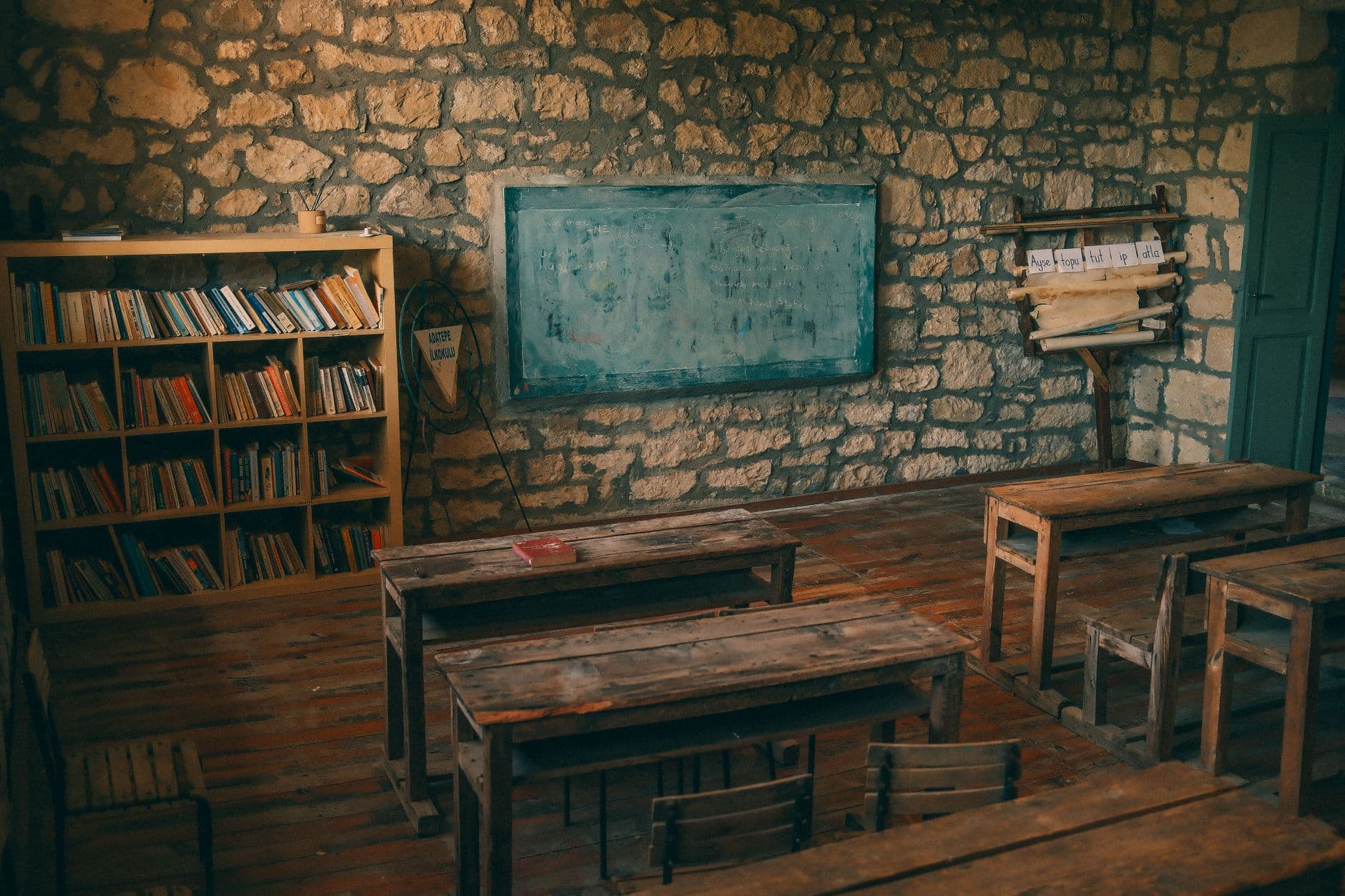
The building’s preservation work in 2002 retained the features that make Franklin School feel like a school rather than a stripped shell. Original wood elements, glass transoms, plaster, ceiling height and chalkboards were kept and reused, preserving the atmosphere that generations of students would recognize. The work also included masonry cleaning and repair, painting and a new employee entrance at the rear of the building.
Those choices matter because they show that preservation can be practical without being cosmetic. The brick exterior remains in excellent condition, and the renovation did not erase the building’s historic character in order to make it usable. Instead, the project balanced daily function with authenticity, which is one reason Franklin School still reads as a real schoolhouse even after its use changed.
An early 20th-century design built for a crowded city
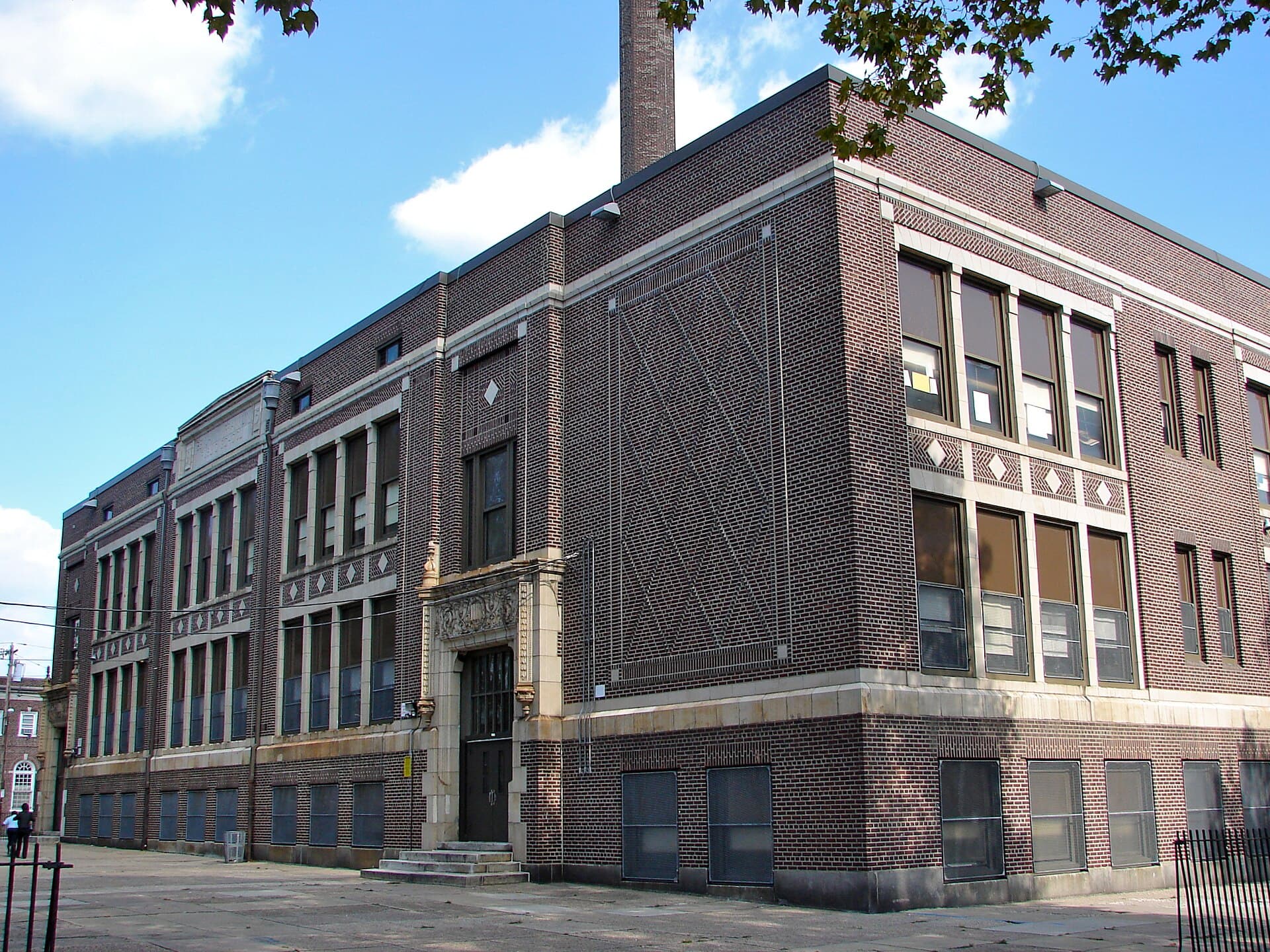
Franklin School was built in 1909-1910, during a period when Jamestown needed more classroom space. Joseph Bell DeRemer designed it as a Classical Revival neighborhood school to relieve overcrowding in the city’s school system, and that purpose is still visible in the building’s form. The architectural language is strong and deliberate: cream-colored Roman brick, a pink sandstone water table, a limestone stringcourse and an ornamented metal cornice give the school a sense of permanence on 2nd Street SW.
The design also reflects practical thinking. SAH Archipedia describes the school as using cross ventilation, natural daylight and rooftop ventilators, details that show how early school architecture tried to solve both health and comfort problems. That mix of form and function helps explain why Franklin School remains one of Jamestown’s most distinctive buildings. It was built to look solid, but it was also built to work.
Why the building still belongs in Jamestown’s daily life
Franklin School’s continued use gives Jamestown something more useful than a preserved shell. A preserved school can either disappear into the background or become part of everyday civic life, and Franklin School clearly falls into the second category. The CSi Technology Center keeps the educational mission active by offering computer classes and other school programs to the community, which means the building still produces measurable community benefit instead of simply commemorating the past.
The site’s business incubator function adds another layer of local value. Historic buildings often survive because they are beautiful; Franklin School survives because it is useful. That is the preservation lesson here: reuse protects a landmark best when the building still helps residents solve present-day needs, whether that means learning digital skills, attending school-related programs or supporting new businesses.
Louis L’Amour and the larger Jamestown story
Franklin School also carries a direct connection to one of North Dakota’s most widely recognized writers. Louis L’Amour attended the school while living in Jamestown, and that link gives the building a place on the city’s literary map as well as its educational one. The connection is real, but it does not tell the whole story of the building. Franklin School matters just as much for what it represents about Jamestown’s growth, planning and public investment in education.
That broader significance is part of why the school stands out among historic sites in Stutsman County. It is not only a reminder that a famous author passed through town. It is a concrete record of how the city responded to overcrowding, built for a growing student population and then found a way to keep the structure useful after the classroom era ended.
How to experience Franklin School today
Visitors can take self-guided tours of Historic Franklin School, which makes the building easy to add to a Jamestown stop without a guided schedule. Its location at 308 2nd St. SW places it within reach of other downtown and heritage sites, and the school fits naturally into the city’s wider historic trail.
The site also connects with North Dakota Tourism’s Louis L’Amour walking tour, which places Franklin School inside a broader self-guided route through the places tied to the author’s Jamestown years. For residents and travelers alike, that combination makes the school more than a preserved landmark. It is a working part of the city’s public memory, still teaching, still used and still visibly anchored in Jamestown’s day-to-day life.
This article was produced by Prism’s automated news system from verified source data, official records, and press releases, then run through automated quality and moderation checks before publishing. The system is built and supervised by the people who set the standards it runs under. Read our full AI policy.
Did this article answer your question?