Jamestown approves $1.35 billion property assessments, grants UJ Place tax break
Jamestown locked in a $1.35 billion property roll, setting the stage for this year’s tax bills and giving UJ Place a partial exemption.
Jamestown homeowners, landlords and business owners now have a new property-tax starting point: the City Council, sitting as the Board of Equalization, approved the 2026 real property assessments Thursday on a 4-0 vote, with Councilman David Steele absent. The roll puts the city’s aggregate real property value at more than $1.35 billion and moves Jamestown one step deeper into the tax season that will shape household bills and operating costs later this year.
The board also approved a partial property tax exemption for UJ Place, a decision that shows how the city’s annual equalization work reaches beyond raw valuation and into the way specific properties are treated under the tax code. The April 23 meeting was held at 4 p.m. in the Council Room at City Hall, 102 3rd Ave SE, and was available remotely through Microsoft Teams.
The approval matters because Jamestown’s assessment system feeds directly into North Dakota’s ad valorem property-tax structure, where true and full value is meant to reflect market value and the assessment ratio is 50%. Jamestown’s assessment department also changes the mill levy every year, so a higher assessed value does not automatically translate into a bigger bill. It does, however, set the base that city leaders and other local taxing districts will use when they build budgets.
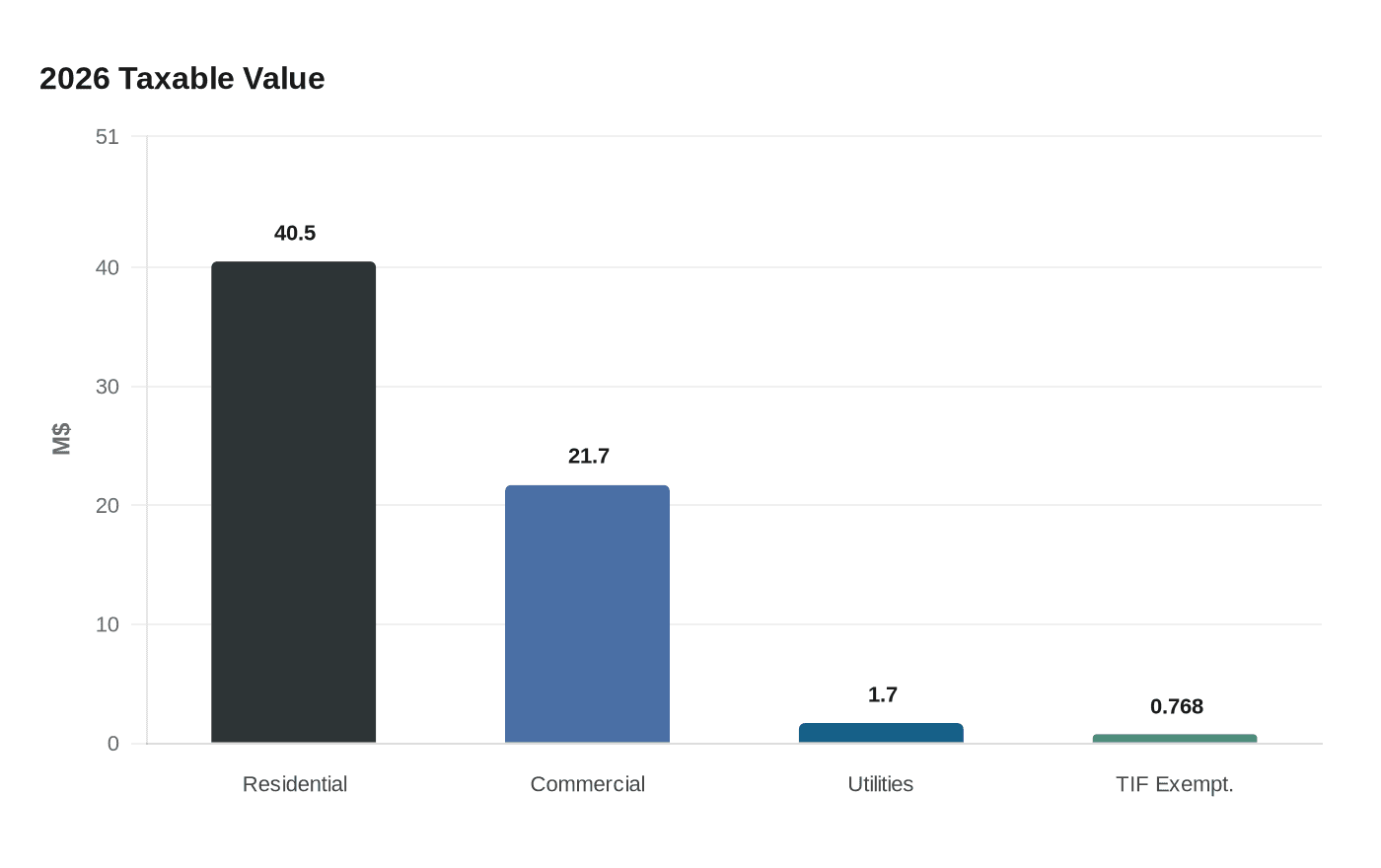
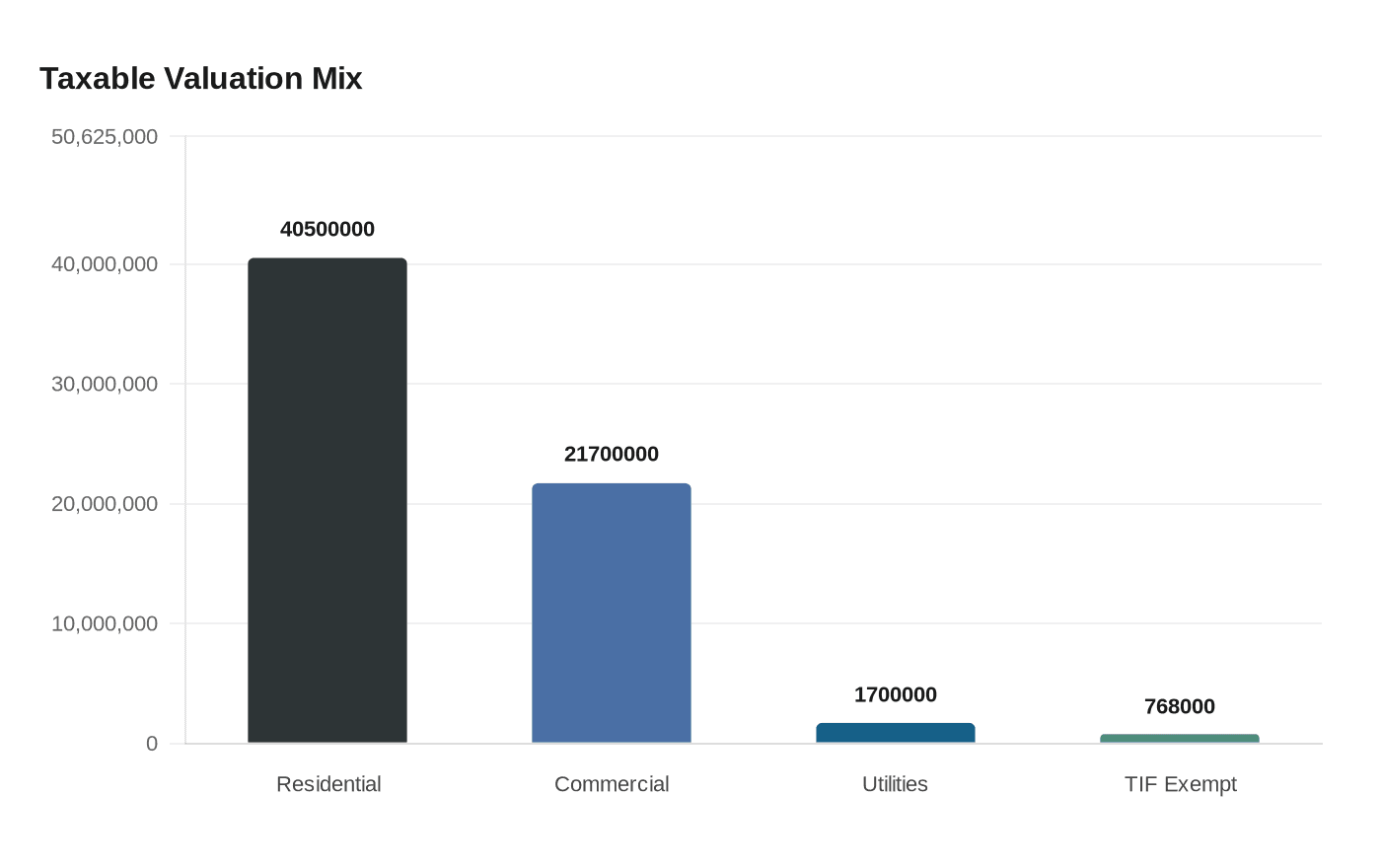
Ahead of the vote, the city’s 2026 annual report projected Jamestown’s total taxable valuation at more than about $63.3 million, including an estimated $1.7 million in utilities and about $768,000 in tax increment financing exemptions. The report said one mill would bring in about $63,291, up from more than $61,400 in 2025. Residential taxable value was projected at more than $40.5 million, while commercial and vacant lots accounted for more than $21.7 million. Adjusted true and full value for residential homes was projected at more than $900 million, and commercial properties at more than $432 million, both about 4% higher than in 2025.
Mayor Dwaine Heinrich said at the April 7 Board of Equalization meeting that a 4% increase in assessed value does not mean taxes will rise 4%, because the levy side determines the change in the bill. City assessor Dorene Stroh said her department reviewed 11 years of residential sales, including 537 homes sold more than once, and found a 4.8% increase in residential market values over that period.
For property owners who think an assessment is off, the practical next step is to compare the new figure with last year’s valuation and watch for follow-up notices and appeal windows. That is especially important in Jamestown, where the city handles its own assessments while the Stutsman County Tax Equalization Office covers the rest of the county. The city’s 2025 valuation per capita ranked third in the state at $3,892, behind Devils Lake and Wahpeton, underscoring how central the tax roll is to Jamestown’s budget and the bills that follow it.
This article was produced by Prism’s automated news system from verified source data, official records, and press releases, then run through automated quality and moderation checks before publishing. The system is built and supervised by the people who set the standards it runs under. Read our full AI policy.
Did this article answer your question?