Jamestown-area groups push walking, gardens, PE to improve rural health
Jamestown families can tap walking, garden and meal programs that turn rural health goals into practical help at the extension office and downtown health district.
Why these programs matter in Stutsman County
The quickest route to better health in Jamestown may be closer than many families realize: a county extension office, a downtown health district, and summer programs that fold walking, gardens and food prep into everyday routines. Behind those local touchpoints is a bigger push from North Dakota to make healthier choices easier in rural communities that often have fewer options and longer drives.
North Dakota Health and Human Services says rural communities are dealing with rising chronic disease, behavioral health challenges and barriers to care. In Stutsman County, the need is easy to see in the numbers: a Jamestown Regional Medical Center community-health academy page says 28% of adults in the county report no leisure-time physical activity, compared with 23% statewide and 21% nationally. Jamestown Regional Medical Center opened in 1935 to serve Stutsman County and the surrounding region, and that long history shows how deeply local health care has been tied to rural needs.
What the state is funding
The state’s Rural Health Transformation effort is a five-year program built around the idea that health changes happen more readily when they fit the way people actually live. North Dakota’s “Make North Dakota Healthy Again” grants are part of that effort, and the first round of community-based applications ran from April 22, 2026 through May 22, 2026 at 5 p.m. CT.
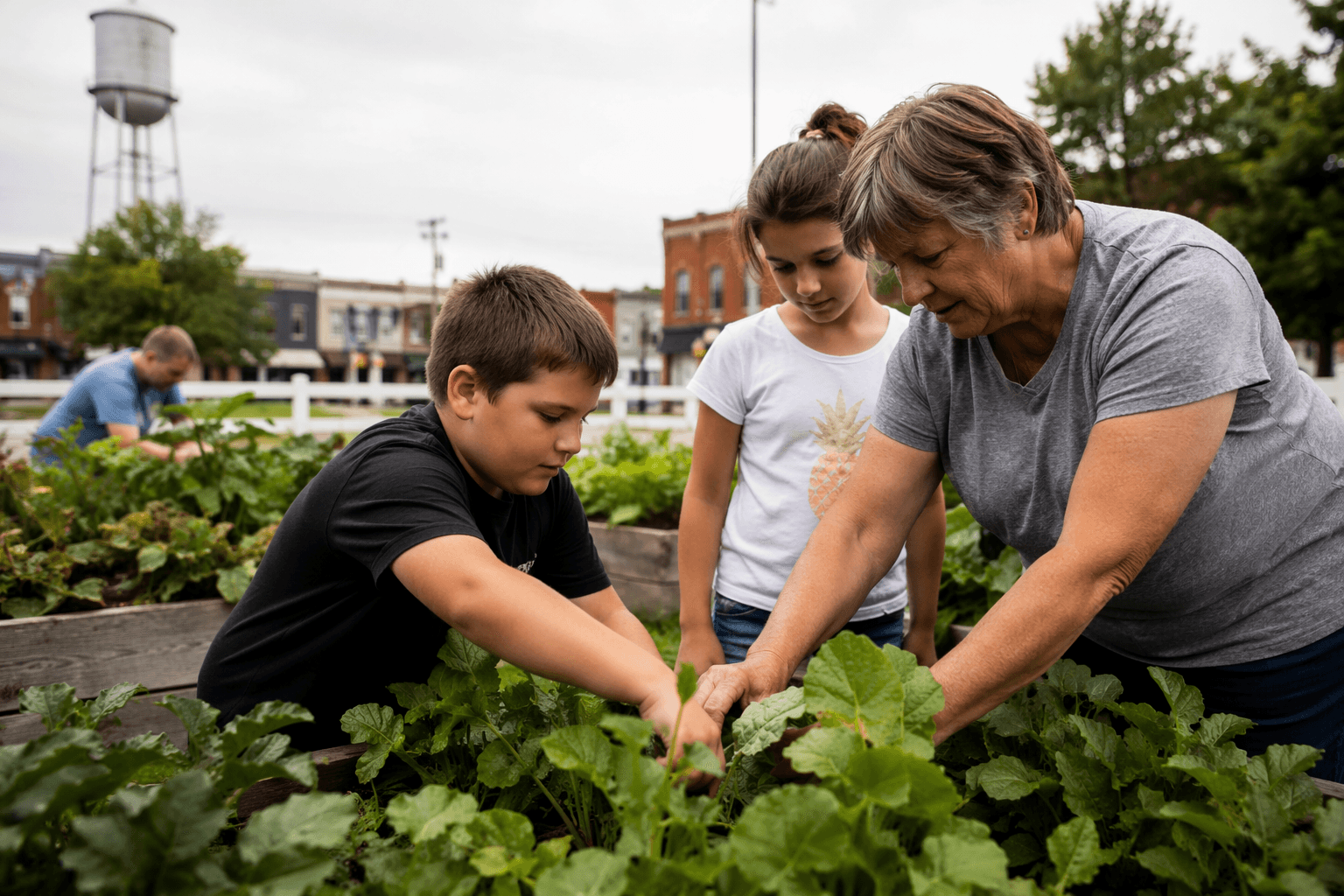
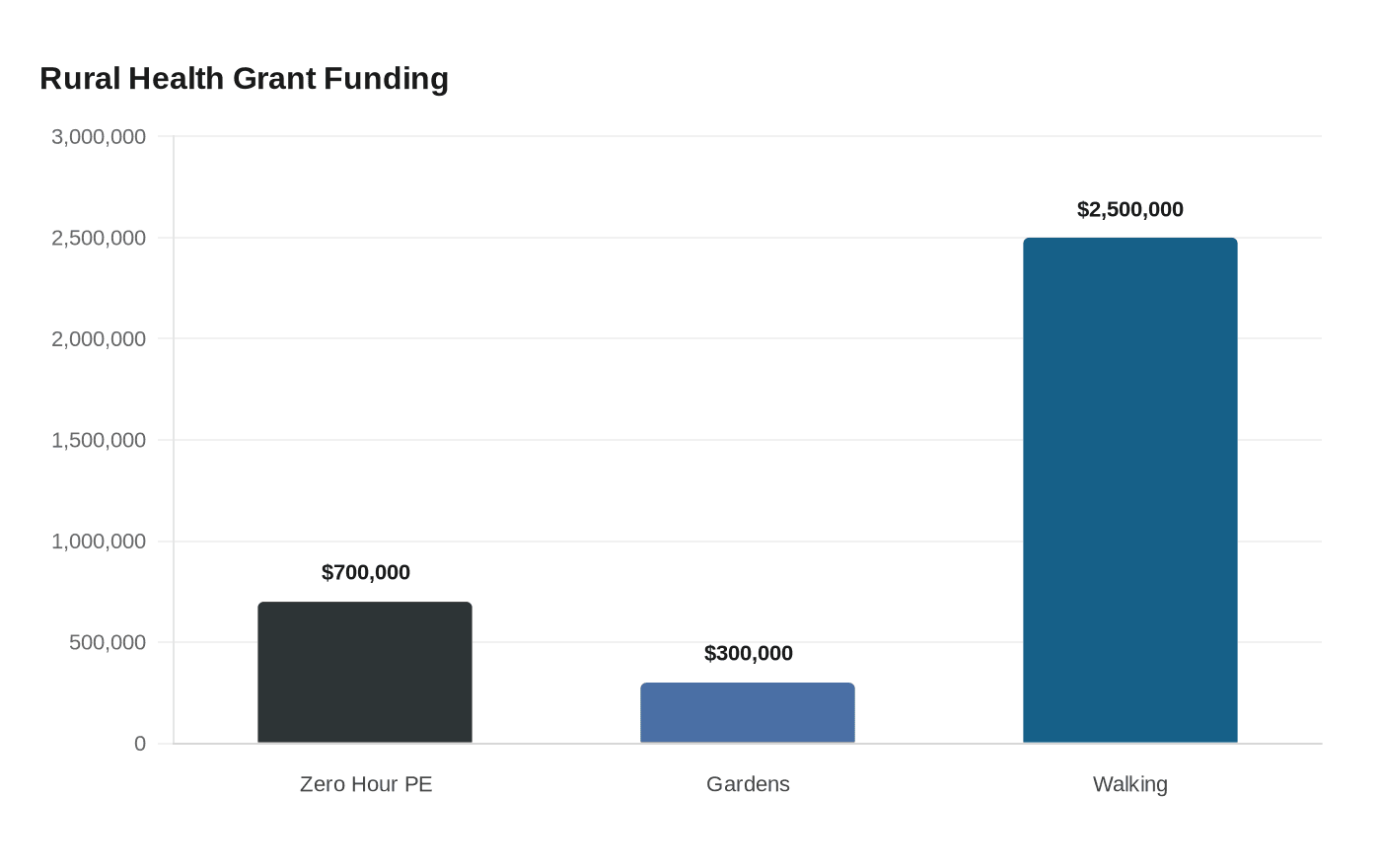
Three grant categories were announced for rural communities: Zero Hour Physical Education, community gardens and community-based walking programs. The package totaled $3.6 million, including about $700,000 for Zero Hour PE, roughly $300,000 for community gardens and $2.5 million for walking programs. State documents say the walking-program money is intended to support 20 community-based walking programs in rural and tribal communities, while the garden funding is meant to bring people together to plant and grow food.
That structure matters in places like Stutsman County because it shifts the conversation from abstract wellness goals to concrete, repeatable habits. A walking route, a school PE slot or a shared garden bed is a lot easier to use than a health plan that depends on long trips or expensive memberships.
Where residents can find help in Jamestown
Jamestown already has two local institutions positioned to turn those statewide goals into something practical. Central Valley Health District serves Stutsman and Logan counties and is headquartered at 122 2nd Street NW in downtown Jamestown. NDSU Extension-Stutsman County, at 502 10th Ave. SE in Jamestown, is another on-the-ground resource, especially when the topic is food, family routines and nutrition education.
Those offices matter because rural health barriers are not only medical. They are also logistical. If a family has to balance work, school pickup, farm tasks and travel, then the best program is often the one that can be reached without much extra driving or planning. That is exactly the kind of gap the state’s walking, garden and PE grants are trying to narrow.
Summer nutrition support is already underway
Some of the most immediate help for families is already on the calendar in Jamestown. NDSU Extension-Stutsman County will host Wednesday meal pickup from May 27 through Aug. 19, with pickup available from 11 a.m. to 4:30 p.m. The program gives families a steady summer food option at a time when school routines are off the table and grocery budgets can feel tighter.
The extension office is also offering free summer nutrition programs for kids beginning June 3, with sessions held Wednesdays from 1 p.m. to 2 p.m. at the office. The June 3 program, “Shake It Your Way!,” features a blenderless smoothie recipe, a small but practical example of how nutrition education can fit a family’s real kitchen setup instead of asking for special equipment or extra expense.
That kind of hands-on approach is the common thread running through the county’s broader health work. A smoothie lesson, a shared garden plot or a walking group may seem modest on its own, but together they tackle the daily barriers that keep rural families from building healthy habits consistently.
How the local effort fits the bigger picture
The local story in Stutsman County is not just that a state program exists. It is that the program matches needs residents already know well: fewer places to exercise, less time to cook from scratch, and more distance between families and services. The combination of walking programs, garden projects and school-based PE is designed to meet people where they are, whether that is a school, a neighborhood path or a community space that can double as a growing site.
Names like Lu Morehouse and Jill Wald are part of the local conversation too, a reminder that these efforts only work when they connect policy to people who live the daily realities of rural North Dakota. In Jamestown, the promise is simple and concrete: make it easier to move more, eat better and find help close to home. That is how a broad rural-health strategy becomes something Stutsman County families can actually use.
This article was produced by Prism’s automated news system from verified source data, official records, and press releases, then run through automated quality and moderation checks before publishing. The system is built and supervised by the people who set the standards it runs under. Read our full AI policy.
Know something we missed? Have a correction or additional information?
Submit a Tip