Jamestown Native Meghan Ford Reflects on Recovery and Ambition
Meghan Ford, a Jamestown native and South Dakota State University distance runner, recently detailed her comeback from injury and a season that included a runner up finish at the Summit League Championships and a strong Midwest Regional performance. Her training changes, rehab focus, and goals for indoor and outdoor track carry implications for local pride, youth athletics, and how the university supports developing talent.
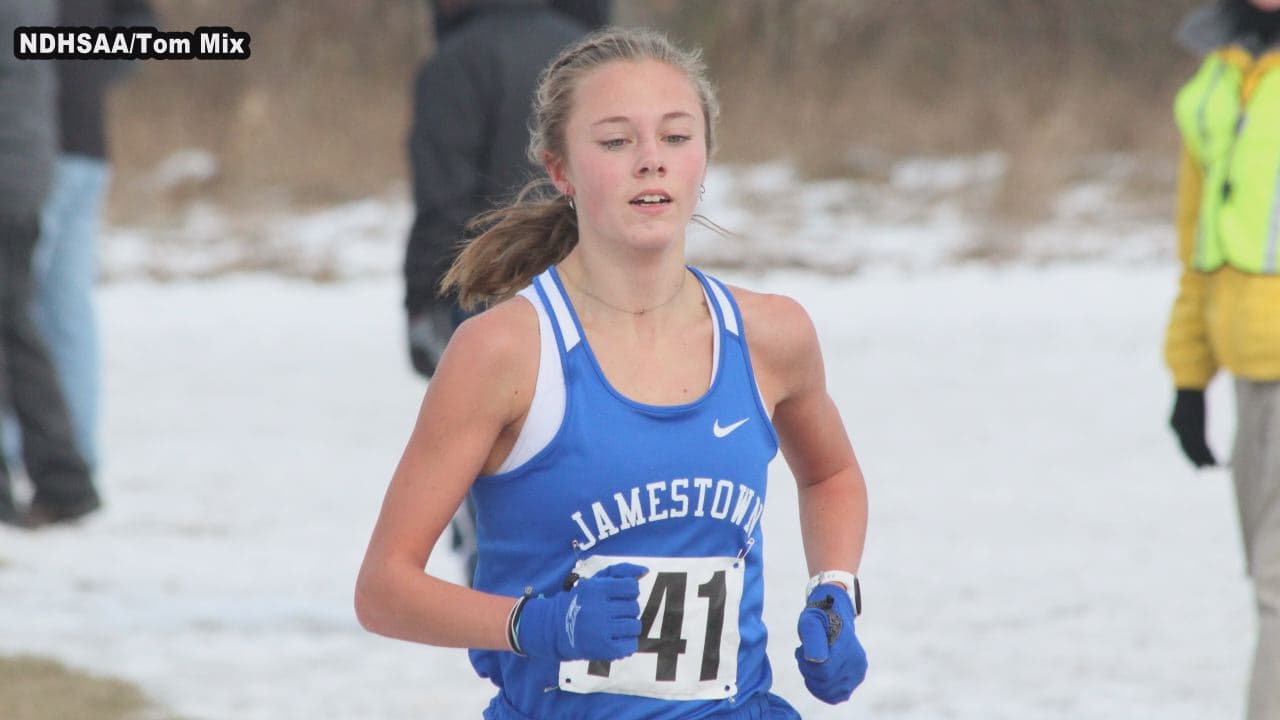
Meghan Ford returned from a period of injury to produce one of her strongest cross country seasons, a trajectory that concluded with a runner up finish at the Summit League Championships and a solid showing at the Midwest Regional meet. A Jamestown native and student athlete at South Dakota State University, Ford said she made substantive adjustments to training and prioritized rehab and nutrition to regain form. The result was improved consistency across key races and renewed ambitions for track competition.
Ford outlined plans to compete in a range of events this coming indoor and outdoor season, targeting the mile, the 3K, the 5K and longer distances. She also expressed aspirations to pursue school records and to earn NCAA qualification, signaling both individual goals and potential institutional benefits for South Dakota State. Her progression underlines how recovery and programmatic support can translate into measurable performance gains at conference and regional levels.

For Stutsman County residents, Ford serves as a local example of resilience and hometown influence in collegiate athletics. Her visibility on the conference stage offers recruiting and promotional advantages for the university and highlights opportunities for Jamestown youth interested in distance running. Local high school programs and community recreation organizers may see increased interest in cross country and track as a direct response to her achievements.
Ford credited detailed rehab work and refinements to training and nutrition for her ability to compete at a higher level after setbacks. Those elements point to broader conversations about how colleges manage athlete health and the resources devoted to recovery and performance science. The outcomes of those decisions can affect athlete longevity, program success, and the way university athletics are perceived by local communities.
As the university transitions into the indoor season this winter and outdoor competition next spring, Ford will be an athlete to watch for those tracking Jamestown talent on the collegiate stage. Her campaign ties individual ambition to community recognition, and it reflects the interplay between athlete support systems and competitive results. Photos accompanying this report display Ford in competition and in training on the Jamestown routes that shaped her early years.
This article was produced by Prism’s automated news system from verified source data, official records, and press releases, then run through automated quality and moderation checks before publishing. The system is built and supervised by the people who set the standards it runs under. Read our full AI policy.
Did this article answer your question?