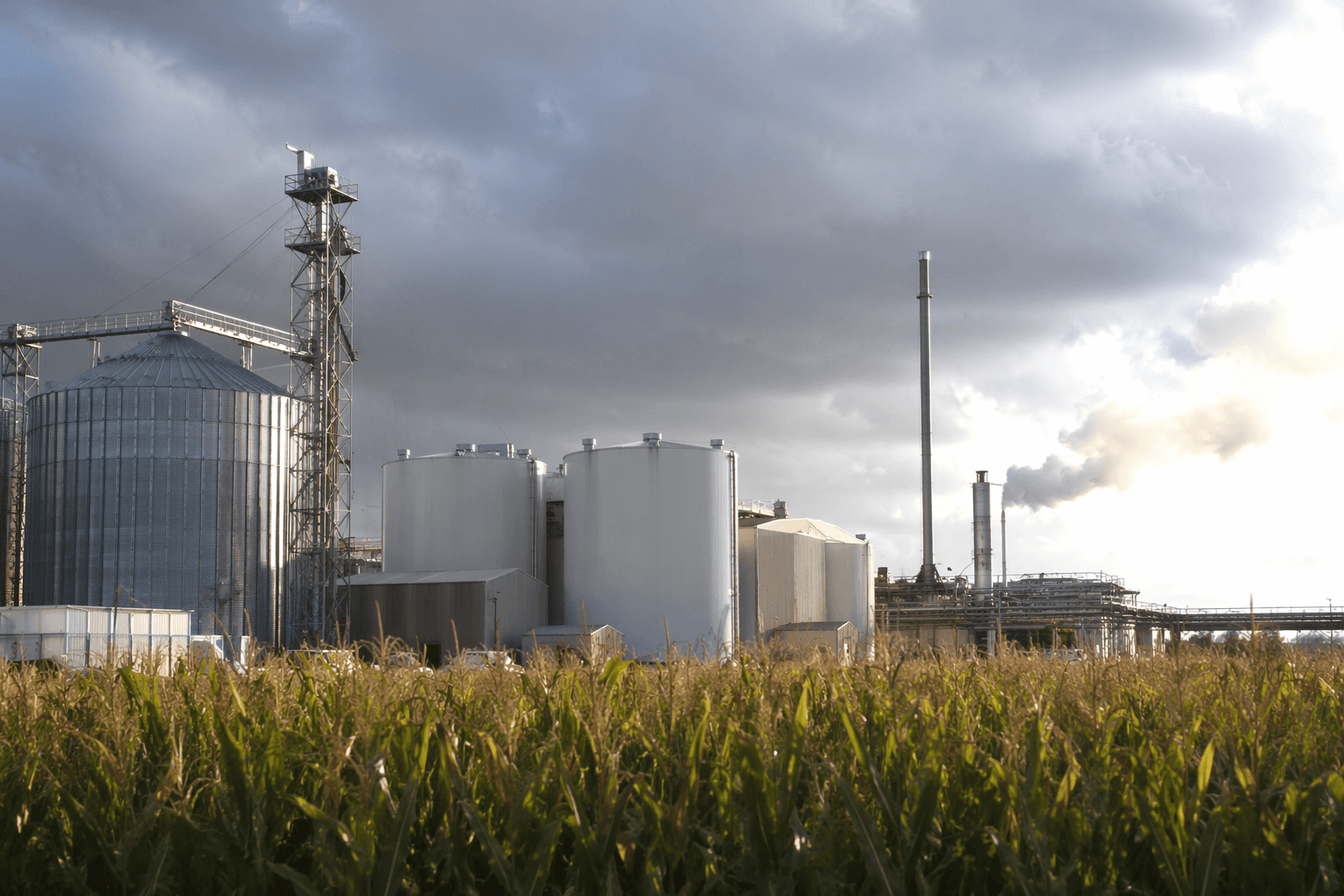
Jud farmer wins national soybean yield contest with 51.68 bushels per acre
Jud grower Jeremy Nitschke topped 51.68 bushels an acre in a national soybean contest, a win that carries real weight for Stutsman County budgets and planting plans.
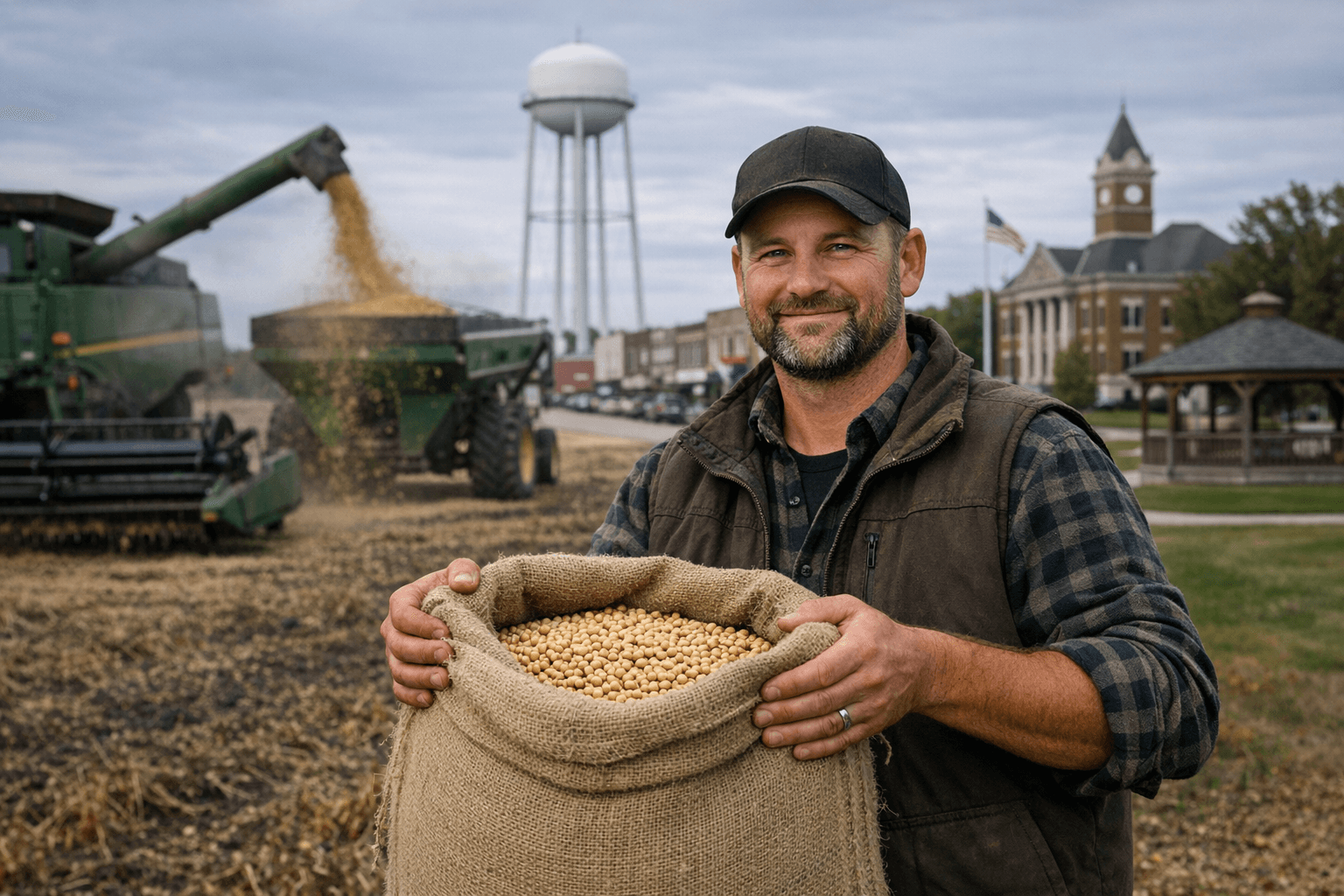
Jeremy Nitschke of Jud put Stutsman County on the map in a way farmers across the county will notice: his 51.68 bushels per acre earned a spot among the 2025 winners in the Asgrow Brand National Yield Contest. For local growers watching margins tighten and input costs stay high, a yield like that is more than a trophy number. It is a reminder that a few extra bushels can shape crop income, land rent discussions and what gets seeded next spring.
Bayer’s Asgrow contest page lists Nitschke’s winning entry with Asgrow AG10XF4 soybeans. The company says the contest is open to farmers planting Asgrow soybean products and is designed to recognize producers who reach exceptional yields through strong management and agronomic practices. That makes the Jud result especially relevant in a county where even small gains in field performance can ripple through farm budgets and household finances.
The 2025 contest did not single out one corner of North Dakota. Other winners on the company’s page came from Garrison, Rolla, Mohall, Edgeley, Sawyer and Velva, showing that this was a broad state showing rather than a one-farm outlier. For Stutsman County readers, that matters because the competition is not just about bragging rights. It points to the kinds of seed choices, timing decisions and field management strategies that are already being tested on farms across the state.
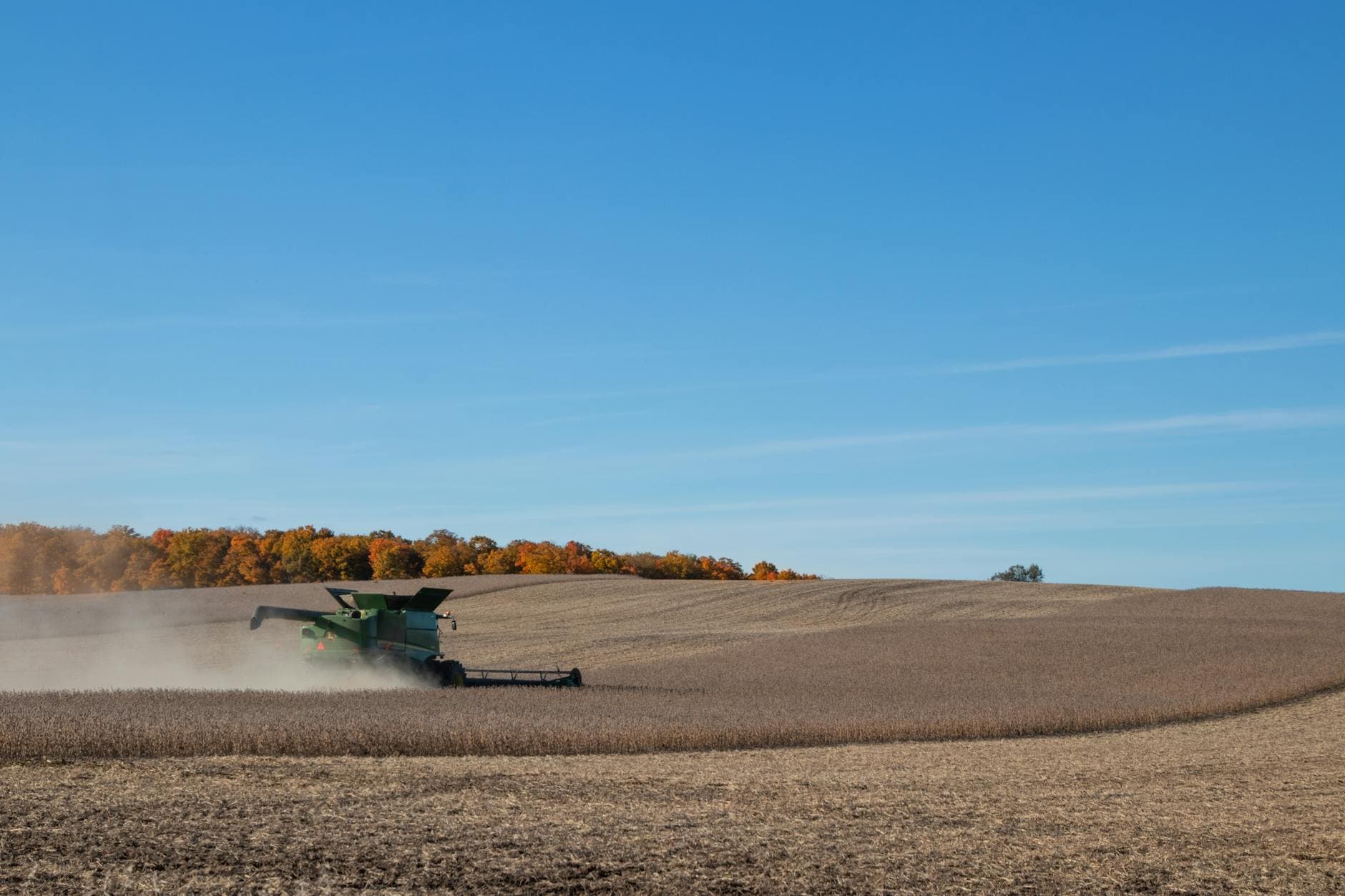
Asgrow launched its national yield contest in 2012, giving the program more than a decade of results to measure how growers continue to push soybean performance higher. Nitschke’s win fits into that longer race for yield in a crop that remains central to farm income across eastern and central North Dakota. In Jud, the payoff is now local pride, but the practical lesson is bigger: the farms that can consistently capture higher yields may be the ones best positioned to weather another season of weather risk, price swings and rising costs.
This article was produced by Prism’s automated news system from verified source data, official records, and press releases, then run through automated quality and moderation checks before publishing. The system is built and supervised by the people who set the standards it runs under. Read our full AI policy.
Did this article answer your question?