New drone restrictions could disrupt Stutsman County agriculture, surveying businesses
Stutsman County farms and survey crews could face new drone replacement costs as North Dakota moves to phase out Chinese-made aircraft.
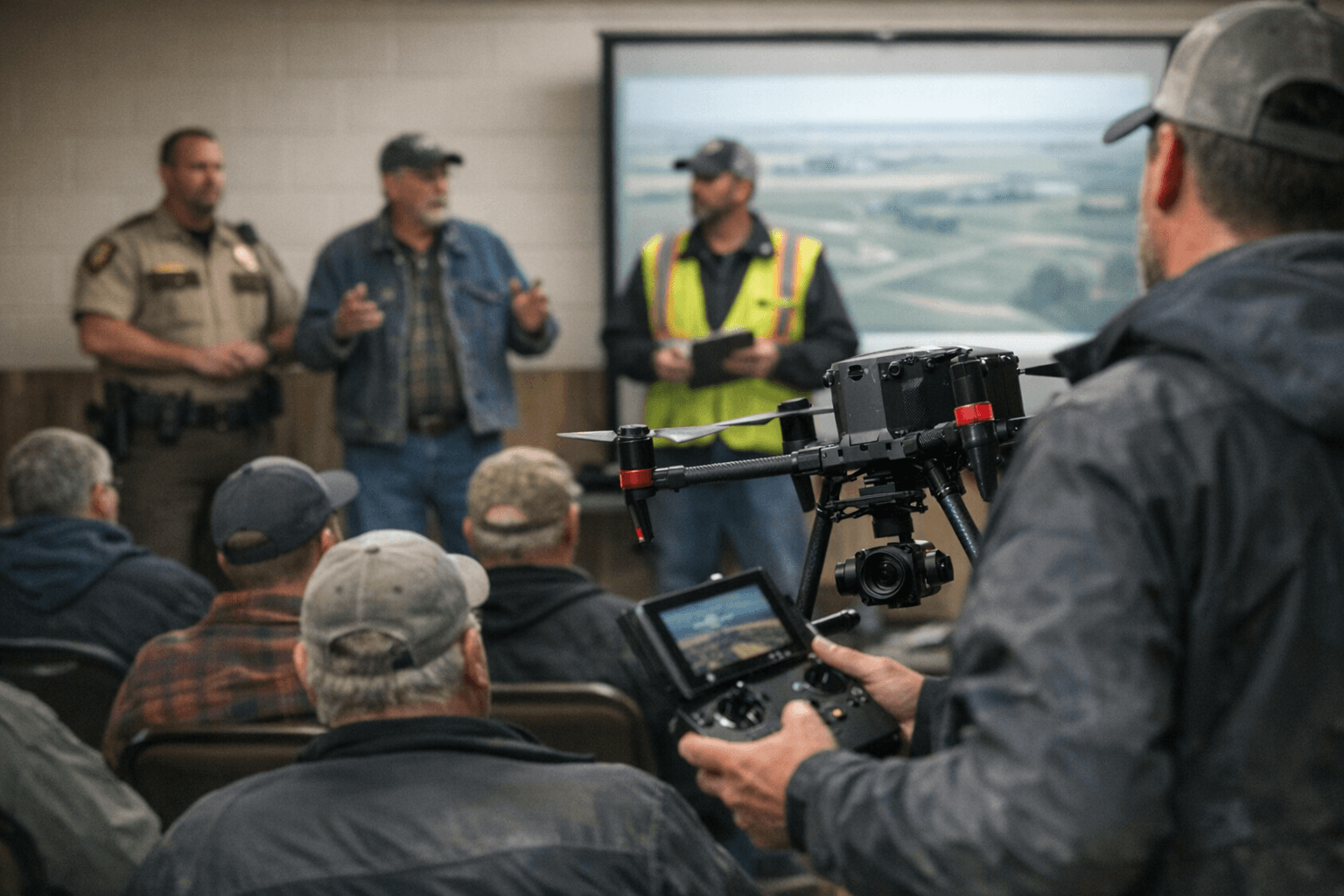
Farmers, surveyors and emergency crews around Jamestown could soon face higher equipment bills and delays if North Dakota’s foreign-drone crackdown forces local operators off Chinese-made aircraft. Stutsman County spans 2,298 square miles and has 21,593 residents, a size that makes drones useful for mapping fields, checking drainage, inspecting job sites and reaching rural roads fast.
The scale of the replacement problem is already clear. North Dakota lawmakers considered a $15 million plan to swap out Chinese-made drones used by state agencies, and state inventory figures showed 353 drones in use, 307 of them DJI models manufactured in China. That means roughly 87% of the tracked fleet came from one Chinese maker, a concentration that makes any cutoff expensive and disruptive for agencies and contractors that have built training and maintenance around those aircraft.
The pressure is rising because federal rules now go further. Under the American Security Drone Act and related NDAA restrictions, federal funding cannot be used starting Dec. 22, 2025, to buy or operate drones that do not meet the covered-foreign-entity standards. The covered-foreign-entity list is maintained in SAM.gov and was last updated Nov. 13, 2024. North Dakota State University says the state has launched a Drone Replacement Program with $9 million from the Strategic Investment and Improvements Fund for eligible agencies and institutions, but replacing aircraft is only part of the cost. Pilots also have to be retrained, procurement chains changed and software fleets reworked.
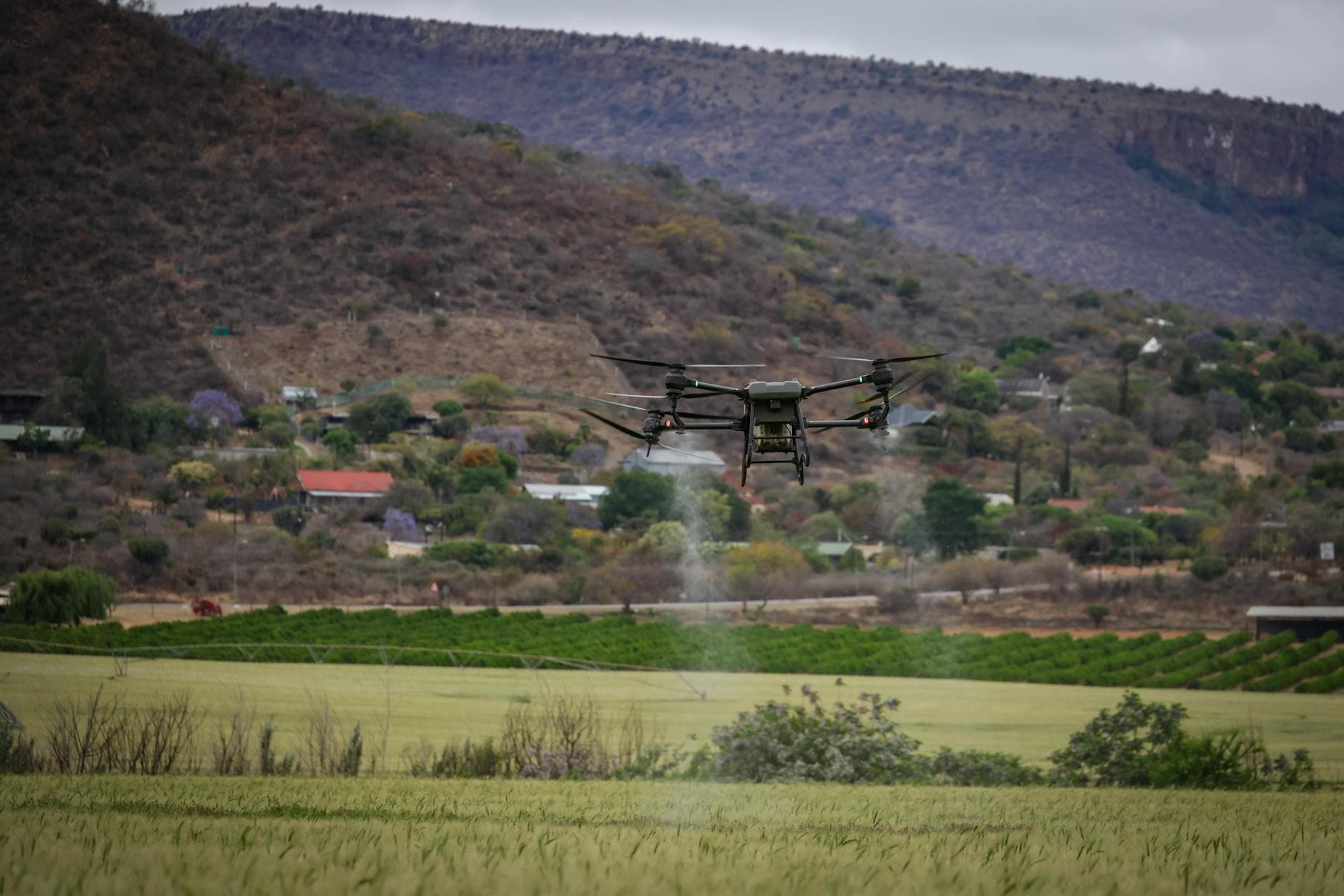
For Stutsman County businesses, that matters because drone use is no longer limited to hobby flying. North Dakota officials say Chinese-made drones are common in agriculture, construction, law enforcement and public safety, and the North Dakota Department of Commerce says Vantis, the state’s UAS network, already supports beyond-visual-line-of-sight flights in agriculture, energy and transportation. The state also says it is the first non-federal entity to receive live FAA drone data, a sign that drone operations are becoming more central even as foreign-made platforms face tighter scrutiny.
Farm groups have also pushed the state to clamp down on unauthorized surveillance over homesteads and farmland. The North Dakota Farm Bureau and North Dakota Stockmen’s Association have argued that drones are valuable tools but can be misused to spy on farms or startle livestock. In a county as large as Stutsman, where one machine may cover miles of pasture or a day of surveying in a single flight, the question is not only who can fly, but what it will cost when the aircraft already in the shed no longer qualify.
This article was produced by Prism’s automated news system from verified source data, official records, and press releases, then run through automated quality and moderation checks before publishing. The system is built and supervised by the people who set the standards it runs under. Read our full AI policy.
Did this article answer your question?