Narrow Committee Vote Advances Universal K-12 Meal Bill, Jamestown Schools Affected
A legislative committee narrowly advanced a bill to provide free breakfast and lunch to all K–12 students, a move that would change how Jamestown and Stutsman County schools manage meals and funding.
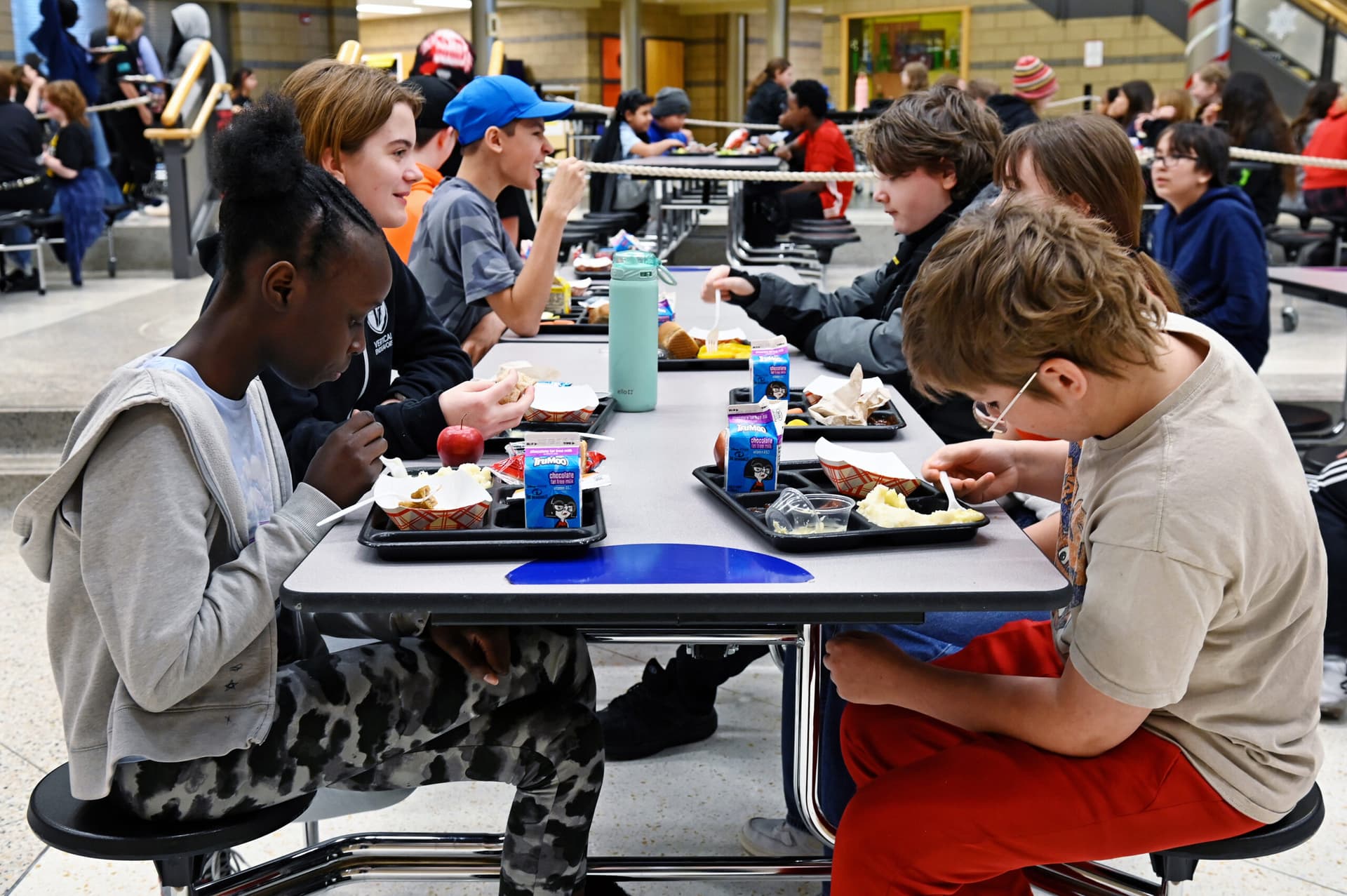
A divided legislative committee recommended a bill that would provide free breakfast and lunch to every K–12 student in North Dakota, advancing the measure to full-chamber consideration by a slim margin. Supporters argued the policy would improve child nutrition, reduce family food insecurity, and simplify meal logistics across districts. Opponents raised concerns about state budget impacts, long-term costs, and whether the proposal would preempt local school board control.
The committee vote on Jan. 21, 2026 moved the universal meal bill out of committee after debate that included an alternative proposal. That alternative sought targeted expansions or adjustments to existing programs rather than universal coverage. With the committee’s recommendation, both the House and Senate will now take up the measure for further floor debate, potential amendments, and final votes.

For Jamestown Public Schools and other Stutsman County districts, the bill would alter daily operations and fiscal flows. Universal free meals would change eligibility-driven federal reimbursement formulas used under current National School Lunch and School Breakfast programs. Districts that now bill some families for reduced-price or paid meals would see administrative simplification, but state-level funding would be required to replace some federal reimbursements that depend on income-based counts. Meal service logistics could shift as enrollment in school cafeterias grows, requiring adjustments in staffing, food procurement, serving schedules, and potential retrofits to kitchen capacity.
State budget implications were central to opponents’ remarks. Legislators questioning the measure pointed to the need to identify durable funding sources and to analyze how expanded state spending would interact with federal meal reimbursements and other education costs. Supporters countered that universal meals can reduce administrative burden on school offices and help families facing episodic food insecurity, arguments that resonated with advocates for child health and learning readiness.
Local governance concerns focused on whether a statewide mandate would limit Jamestown School Board discretion over nutrition programs. School boards and food service directors across the county may need to reconcile district-level policy preferences with statewide requirements and any accompanying compliance rules.
The next steps include committee reports and scheduling for floor consideration in both chambers. Lawmakers may propose amendments addressing cost-sharing, phased implementation, or opt-out provisions for districts. Residents of Jamestown and broader Stutsman County will see practical effects only if the bill becomes law and funding details are settled.
What this means for readers: follow upcoming legislative calendars, contact your state representative or senator with questions or concerns, and watch for public hearings where Jamestown administrators and parents can weigh in on how universal meals would affect school operations and household budgets.
This article was produced by Prism’s automated news system from verified source data, official records, and press releases, then run through automated quality and moderation checks before publishing. The system is built and supervised by the people who set the standards it runs under. Read our full AI policy.
Did this article answer your question?