North Dakota health care workforce grows, easing staffing shortages at JRMC
More health workers may be easing pressure at JRMC, but Jamestown families still face the rural shortages that have strained primary care for decades.

More health workers are reaching North Dakota hospitals and clinics, but the real test in Jamestown is whether that change has made care easier to get at Jamestown Regional Medical Center, not just easier to count on paper.
That matters because JRMC serves far more than the city limits. Its 2024 community health needs assessment says the hospital’s service area stretches across nine counties within a 60-mile radius of Jamestown, so any staffing gains affect patients well beyond Stutsman County. For families trying to schedule primary care, specialty visits or follow-up appointments, the difference between a stable staff and a rotating one can mean fewer delays, fewer trips out of town and less reliance on traveling providers.
The staffing pressure has been especially severe in rural North Dakota and the western part of the state, where universities and health officials say primary care shortages have persisted for decades. That is the backdrop for the recent workforce growth. North Dakota was awarded $199 million for the first year of a five-year Rural Health Transformation Program, a statewide effort intended to strengthen rural health systems, improve access to care and stabilize the workforce. The state’s application says more than $500 million would be invested over five years.
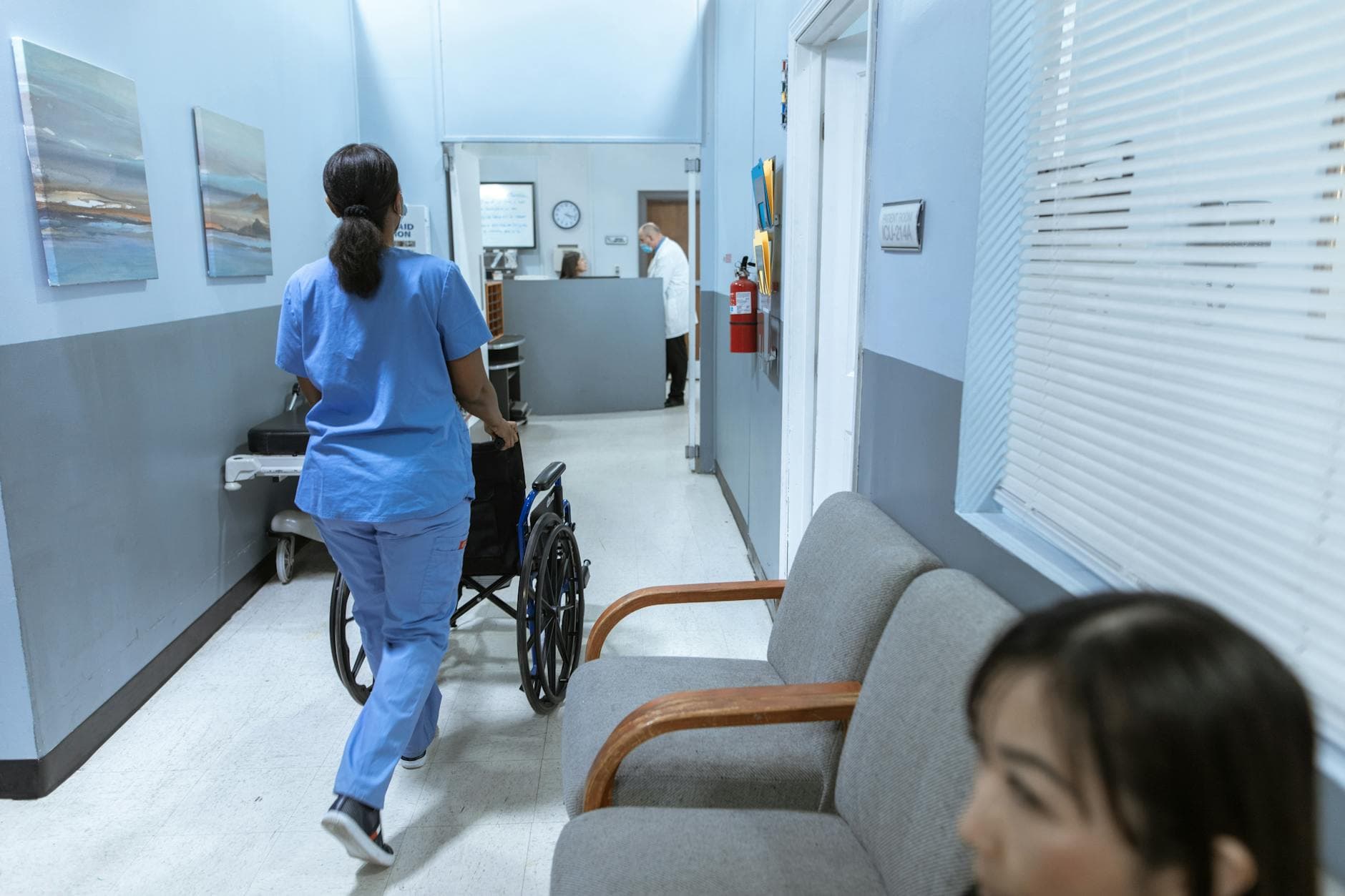
At JRMC, the local picture suggests the hospital has not been waiting for those dollars to arrive before trying to hold on to employees. The hospital says employee satisfaction scores sit in the 63rd percentile nationally, and it says turnover remains lower than the industry average. JRMC has also been designated a Pathway to Excellence facility by the American Nurses Credentialing Center, the first and only health-care facility in North Dakota to earn that recognition. For a regional hospital competing for nurses, therapists, technicians and physicians, that distinction can be a real recruiting tool.
Still, the state’s larger shortage has not vanished, and Jamestown residents know the gap between a statewide workforce gain and an open appointment slot at the local clinic. The most meaningful measure of progress will be felt in everyday life, when more people can get in sooner at JRMC, when fewer patients have to travel for basic care and when rural families in the nine-county service area see the same faces at the bedside from one visit to the next.
This article was produced by Prism’s automated news system from verified source data, official records, and press releases, then run through automated quality and moderation checks before publishing. The system is built and supervised by the people who set the standards it runs under. Read our full AI policy.
Did this article answer your question?