North Dakota Marks 75 Years Since Historic Tioga Oil Discovery
A 456-person farm town and a drill bit at 11,744 feet: the Tioga well that struck oil on April 4, 1951, now funds more than half of all North Dakota tax revenue.
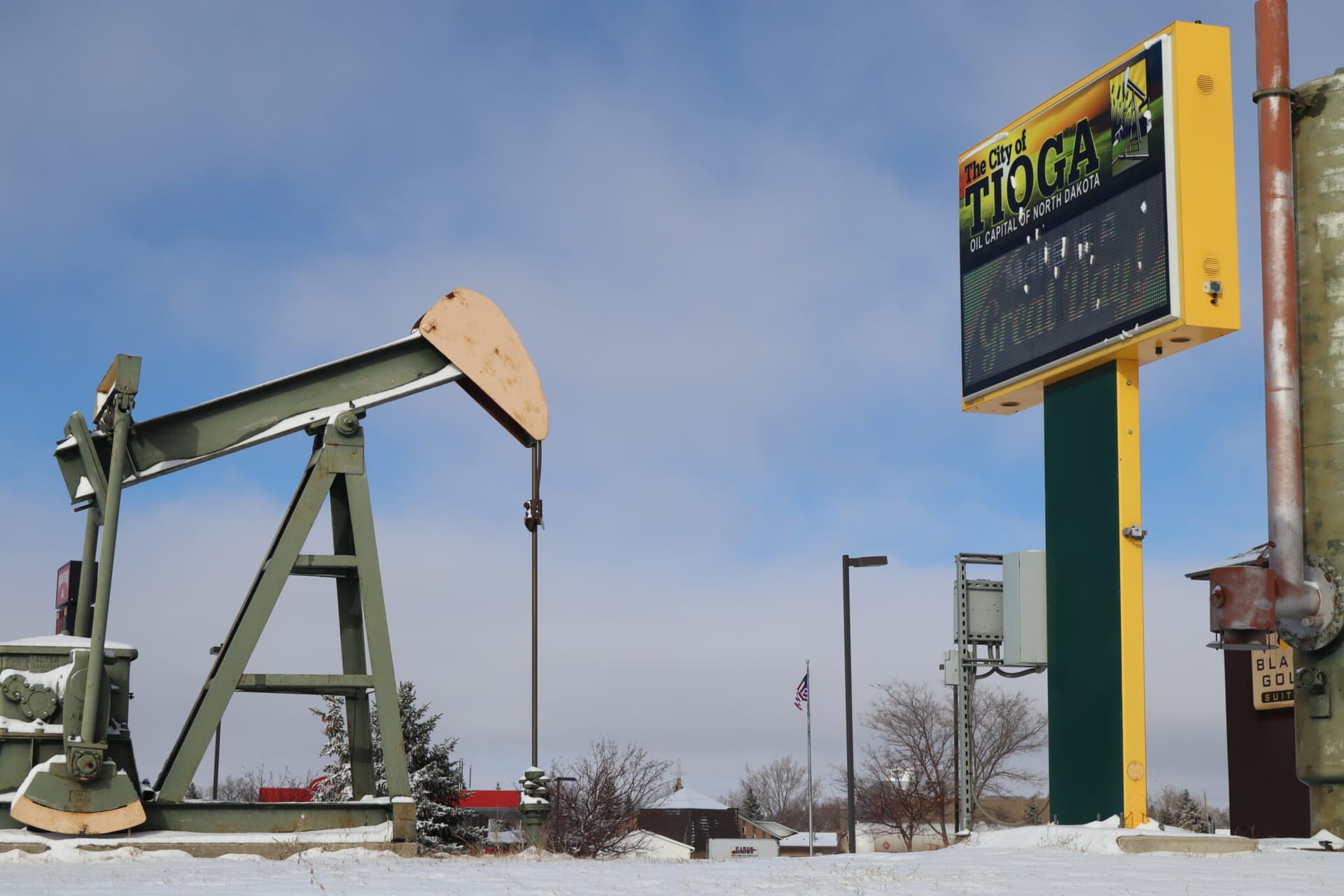
Seventy-five years after a drilling crew coaxed oil from a Williams County wheat field, the single well that launched North Dakota's petroleum industry continues to reshape state finances and small-town fortunes across the region.
The Clarence Iverson Well No. 1, drilled by Amerada Petroleum Company of Tulsa, Oklahoma, struck oil in the early morning hours of April 4, 1951, a few miles south of Tioga. The discovery followed months of drilling that began September 3, 1950, survived a January 29 blizzard that temporarily shut down operations, and bottomed out at a depth of 11,744 feet before oil finally flowed. At its initial production tests, the well yielded 677 barrels of oil per day, and Amerada classified the find as commercial.
Tioga at the moment of discovery was a town of 456 people, with dirt roads and no sewer or running water, its economy built entirely on agriculture. Within two months of the Iverson strike, 30 million acres of North Dakota land had been leased for oil exploration. The state's total crude output in its first full year of production reached 25,000 barrels, a figure that barely hinted at what the Williston Basin held in reserve.
The basin is a geologic structure shaped like a giant saucer, resting on pre-Cambrian granite and spanning from South Dakota to western Canada, and from central North Dakota to central Montana. Unlocking it changed the arithmetic of the state budget permanently. Oil now accounts for more than half of all taxes collected in North Dakota, a fiscal reality that traces directly to that April morning in Williams County.
For Tioga, the transformation was visible and sustained. The town's population grew from 456 to roughly 2,000, supported by tax revenues and employment that the oil sector generated over the decades. Carl Frisinger, now 96, is believed to be the last surviving member of the crew that drilled the Iverson well, a living link to a day that reshaped an entire state's economy.
In October 1953, a granite marker was unveiled south of Tioga to commemorate the birth of North Dakota's oil industry. That monument now stands in a landscape further transformed by horizontal drilling and hydraulic fracturing, techniques that beginning around 2006 opened the Bakken Formation to large-scale production and elevated North Dakota into the ranks of the nation's top oil-producing states. The Bakken Formation itself takes its name from Henry O. Bakken, a farmer near Tioga, drawing a straight geographic line between the 1951 discovery well and the modern energy economy built on top of it.
This article was produced by Prism’s automated news system from verified source data, official records, and press releases, then run through automated quality and moderation checks before publishing. The system is built and supervised by the people who set the standards it runs under. Read our full AI policy.
Did this article answer your question?