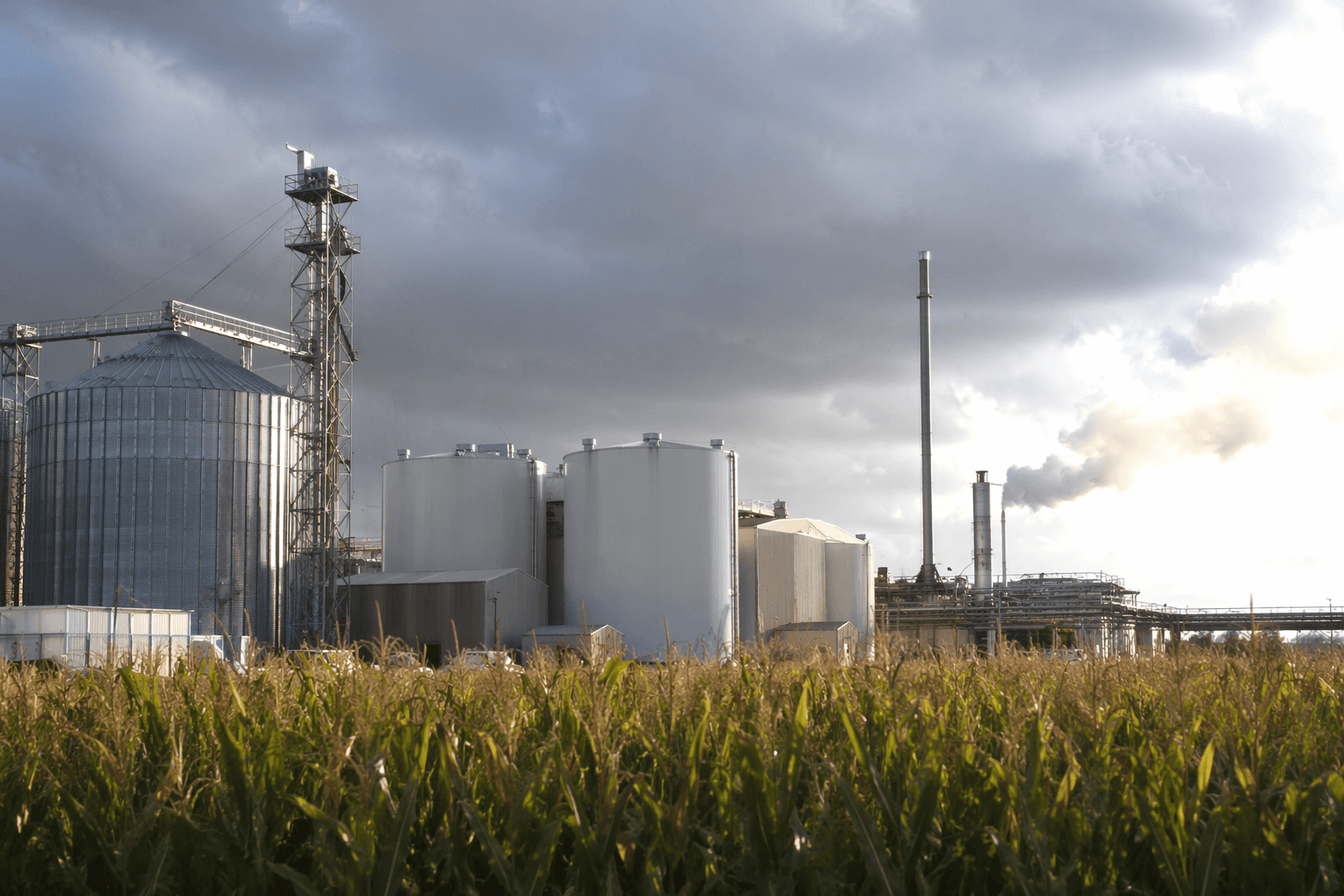
Stutsman County Farmers Face Rising Fuel, Fertilizer Costs After Iran War
Stutsman County farmers face anhydrous ammonia prices as high as $950 a ton and urea up 15% since the Iran war, threatening spring yields and tight operating budgets.

Ashley Kjellberg has a blunt message for Stutsman County farmers heading into spring planting: the room to improvise is gone.
"For farmers that usually can switch their plans, whether that's chemical they use, having to come up with a quick plan for weed management, we're going to be a little more limited," said Kjellberg, the county's Extension agent for agriculture and natural resources.
That constraint traces directly to the Iran war. Fuel prices have climbed and fertilizer supplies have tightened after Iran's near-shutdown of the Strait of Hormuz in retaliation for U.S. and Israeli strikes, compounding what was already a difficult year for producers.
Matt Perdue, president of North Dakota Farmers Union, said national prices for anhydrous ammonia have reached as high as $950 per ton, a $70-per-ton increase since the conflict began. Some farmers have seen their local anhydrous price jump by $200 per ton. Urea prices are up 15% compared to a month ago. At typical corn application rates of around 180 pounds of anhydrous per acre, a $200-per-ton local spike adds roughly $18 per acre to input costs before a single seed goes in the ground.
Imported urea prices have risen by close to a third since the U.S. and Israel attacked Iran, according to FactSet data. About 12% of urea and 17% of phosphates used on American farmland move through the Strait of Hormuz, according to an analysis from North Dakota State University's Agricultural Trade Monitor.
Perdue noted that roughly two-thirds of North Dakota's fertilizer supply was reserved before the war started, and another surge of purchasing hit at the conflict's outset. Producers who struggled to line up financing for 2026 face the heaviest exposure, he said. "The significant price jumps we're seeing now probably won't impact a huge number of producers, but they'll certainly have an impact."
Perdue warned that farmers who are short on fertilizer may cut application rates, which could reduce yields. Kjellberg echoed that concern. "With the cost of everything going up, we rely on that check at the end of the day, and it would be very unfortunate to not break even when it comes to everything that you've put into it," she said.
Those yield pressures, stacked onto tariff-driven cost increases that added nearly $1 billion to North Dakota agriculture expenses in 2025, are expected to ripple outward. Higher input costs historically compress cash rents and delay capital equipment purchases, and analysts warn the pressure on farm economics could eventually push food prices higher at grocery stores.
Kjellberg said choosing the right crop varieties will be critical to managing what comes next. "Knowing what varieties of the crop is going to best manage any potential issues is going to be big too because we definitely could be looking at yield loss, which isn't great," she said. With Brent crude projected to remain above $95 per barrel through at least May, the cost pressure on spring operations shows no near-term sign of easing.
This article was produced by Prism’s automated news system from verified source data, official records, and press releases, then run through automated quality and moderation checks before publishing. The system is built and supervised by the people who set the standards it runs under. Read our full AI policy.
Did this article answer your question?