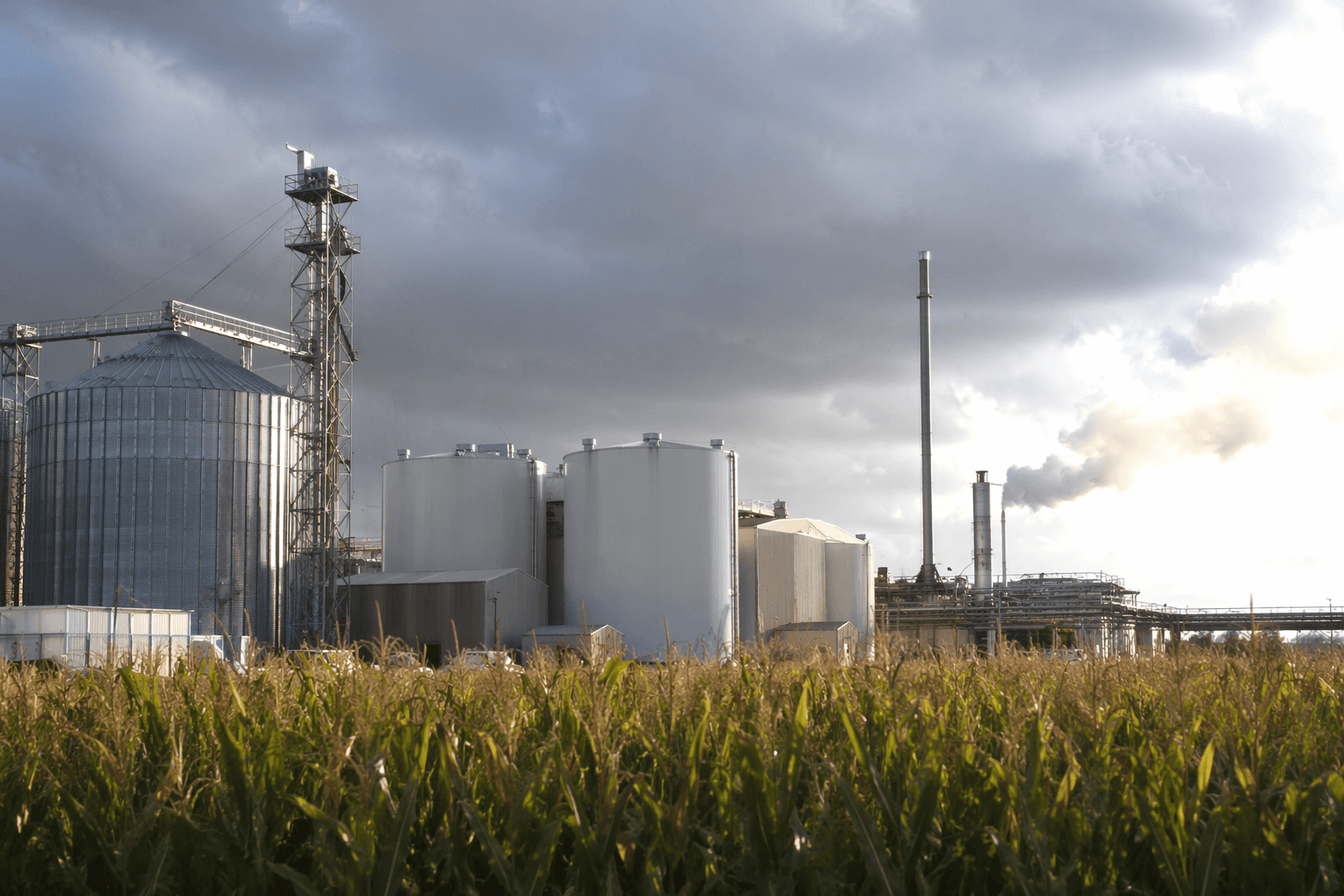
Stutsman County gas prices climb, diesel nears North Dakota record
Stutsman County regular unleaded averaged $4.24, nearly 20 cents above Barnes County, as diesel pushed toward a North Dakota record and spring costs climbed.
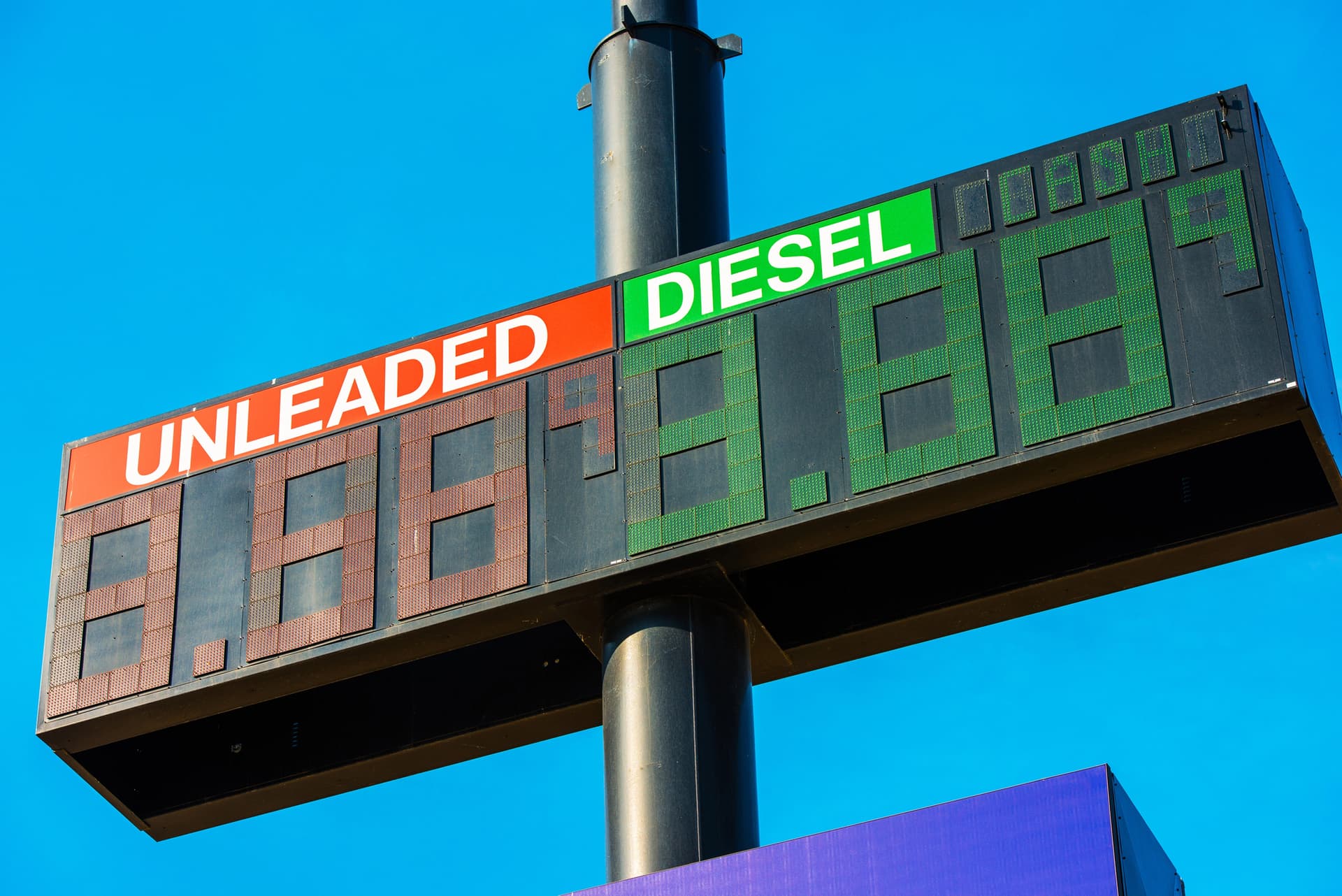
Stutsman County drivers were paying more at the pump just as spring work was heating up, with regular unleaded averaging about $4.24 per gallon, nearly 20 cents more than in Barnes County. For farm operators, truckers and contractors, that kind of jump lands first in the day-to-day cost of moving equipment, making deliveries and covering miles between Jamestown and the surrounding rural communities.
The problem was not limited to gasoline. Diesel was climbing unusually fast and edging toward a North Dakota record, a bigger concern in a county where agriculture, freight hauling and construction all depend on steady access to fuel. North Dakota treats diesel, biodiesel, kerosene, compressed natural gas, liquefied natural gas, waste oil, soy oil and other blending components as special fuels, which underscores how many local operations are exposed when those prices rise.

The county’s move stood out because Stutsman County is often among the state’s lower-price markets. AAA reported North Dakota’s average regular gasoline price at $4.169 per gallon on May 17, and county retail prices ranged from $4.559 to $3.926. AAA updates county averages daily, which makes a single-week jump in Stutsman County especially significant for commuters and producers trying to budget around planting season and summer hauling.
That pressure arrived alongside other spring stresses. Jamestown and the rest of Stutsman County were also dealing with critical fire-weather conditions and burn-restriction concerns, adding another layer of uncertainty for rural residents already watching fuel bills. High winds and low humidity were driving extreme fire behavior, a reminder that fieldwork, hauling and even routine travel can become more complicated when dry conditions and higher input costs hit at the same time.
The practical effect is straightforward: when Stutsman County fuel prices rise faster than neighboring areas, the cost does not stay at the station. It moves into farm budgets, freight rates, construction bids and household spending, and those costs can carry through planting, harvest prep and the long miles of summer hauling.
This article was produced by Prism’s automated news system from verified source data, official records, and press releases, then run through automated quality and moderation checks before publishing. The system is built and supervised by the people who set the standards it runs under. Read our full AI policy.
Did this article answer your question?