Self-guided walk highlights Jamestown’s historic downtown landmarks
Jamestown’s downtown walk links statehood history to present-day reinvestment, from the 1883 courthouse to The Arts Center’s Wonder Bar expansion. It also shows how preservation keeps downtown blocks active.
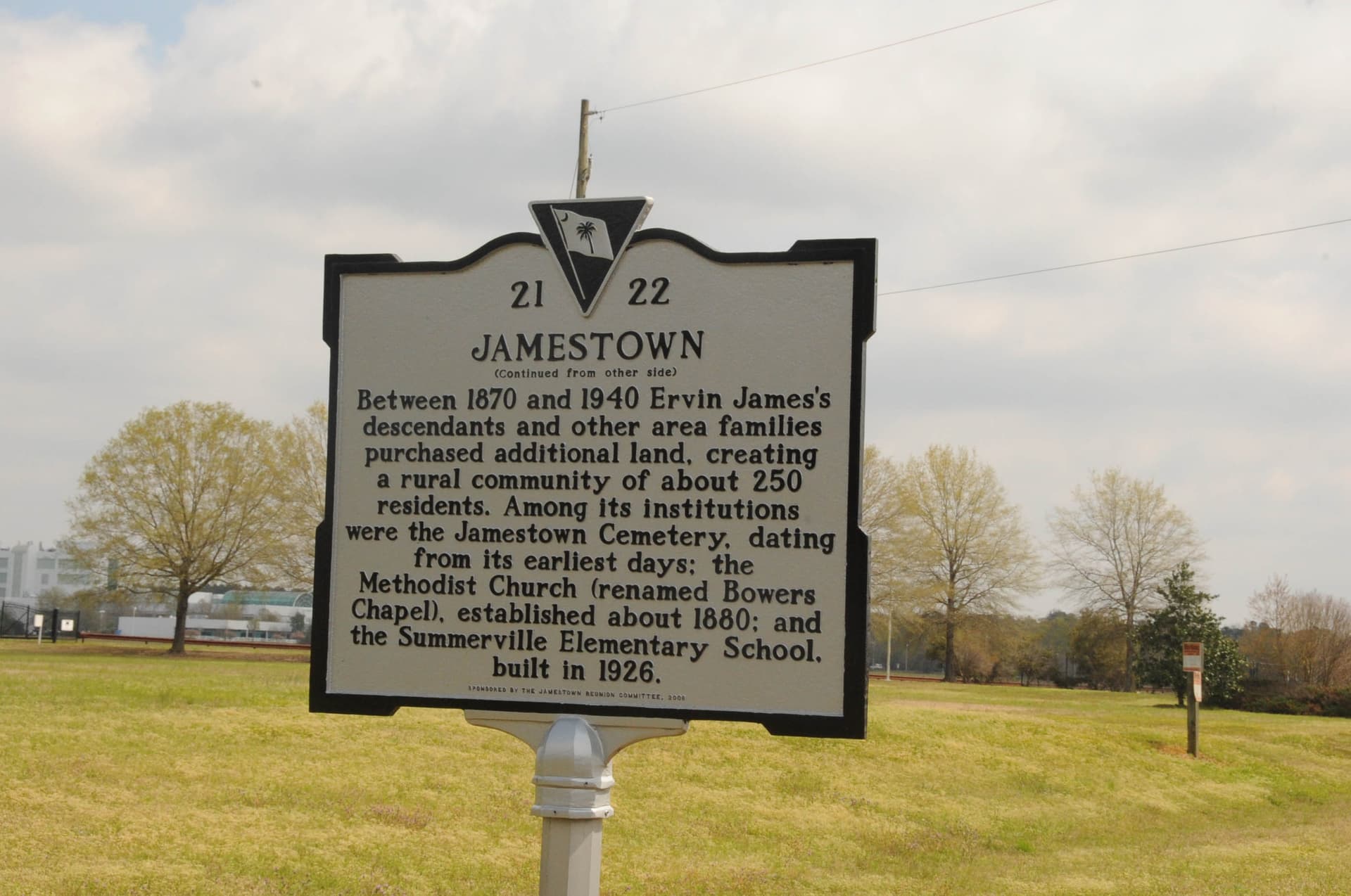
Jamestown’s downtown core tells a story that is bigger than a pleasant stroll past old brick and stone. A self-guided walk through the Jamestown Historic District ties the 1883 Stutsman County Courthouse, the Lutz Mansion, the Basilica of St. James and The Arts Center into one compact route, showing how history, reuse and daily foot traffic still shape Stutsman County’s county seat.
A district with federal recognition
The Jamestown Historic District was listed in the National Register of Historic Places on Sept. 8, 1989, and the National Park Service continuation sheet gives it NRIS reference number 88000987. That listing matters because it marks downtown as more than a collection of older buildings: it is a documented historic district with a preservation record that stretches back to the federal level.
For a walker, that recognition helps frame the route. The district works as a small outdoor museum of late 19th- and early 20th-century civic and commercial life, but it also remains a working downtown where buildings still have to pay their way through offices, museum use, worship, cultural programming and ongoing rehabilitation.
Start at the 1883 Stutsman County Courthouse
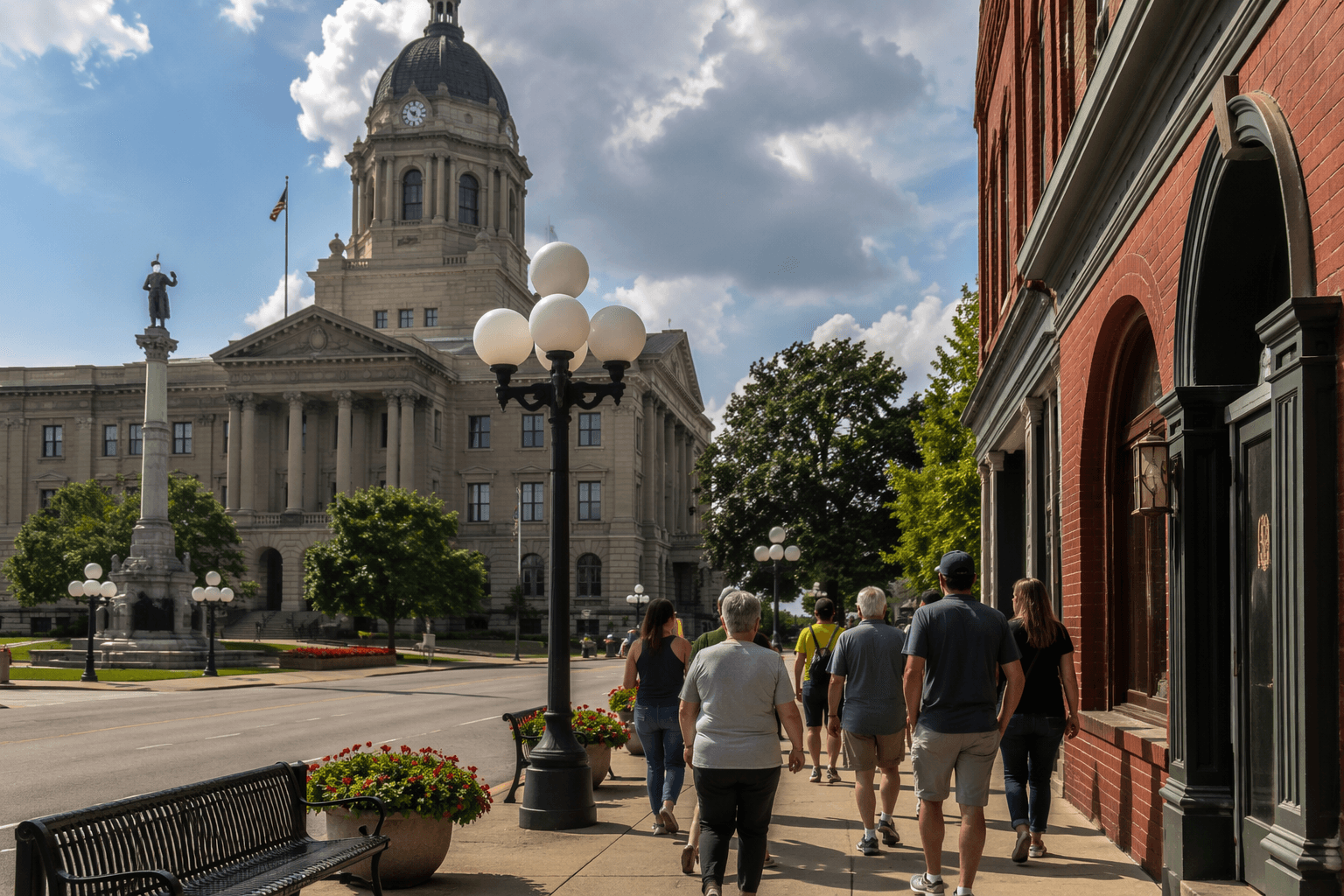
Begin at the 1883 Stutsman County Courthouse, the most important anchor in the district and the building that best explains why Jamestown’s downtown still draws attention. The North Dakota State Historical Society identifies it as North Dakota’s oldest surviving courthouse and says it is the only remaining North Dakota building directly related to the activities of the 1880s statehood movement.
The courthouse was not just a symbol. Delegates to North Dakota’s constitutional convention were elected there, and meetings about dividing Dakota Territory took place in 1885. It is also a State Historic Site, which gives it a public role that goes beyond architecture and into the state’s political memory.
Its survival is part of the story. Local coverage said the courthouse was nearly demolished more than 40 years ago to make way for a parking lot before citizens rallied to save it. In 2024, a $5.86 million donation helped fund a revival, and a March 20, 2026 report said renovations were underway and expected to wrap up by around the Fourth of July. That mix of rescue, public money and private philanthropy is the real preservation cost behind a building that still defines 3rd Avenue.
Walk on to the Lutz Mansion
The Lutz Mansion shifts the walk from public power to private prosperity. Jamestown Sun coverage says the building was constructed in 1907 and describes it as American Craftsman style, while a State Historical Society digital collection identifies George Lutz, a German immigrant, as the builder who lived there with his family for about 20 years.
A Jamestown Facebook post said the new Lutz residence on Third Avenue South was completed on Oct. 29, 1908, which gives the house a specific place in the city’s early growth. Today it operates as the Stutsman County Memorial Museum, turning a former family home into a stop that can hold visitors downtown longer and connect the residential side of Jamestown’s history to the commercial blocks around it.
That matters for the local economy in a way that is easy to miss. A house museum brings people who might otherwise pass through town straight into the downtown grid, where they are more likely to walk, stop and spend time near other businesses.
Pause at the Basilica of St. James
The Basilica of St. James adds a different architectural voice to the route. Discover Jamestown describes it as Romanesque Revival, which makes it a useful counterpoint to the courthouse and the Lutz Mansion and shows how faith, craftsmanship and taste shaped the city’s built environment.
Even without turning the walk into a deep architectural lecture, the basilica matters because it broadens the district’s visual range. The heavier Romanesque Revival style helps show that downtown Jamestown was never built from one template; civic buildings, private homes and churches all contributed to the streetscape that still guides how people move through the center of town.
Finish at The Arts Center and the former Wonder Bar
The walk lands in the present at The Arts Center, 115 2nd Street SW. Discover Jamestown says it hosts rotating exhibits, performances and community events, while Jamestown Fine Arts Association materials identify it as The Arts Center and CauseIQ lists the organization’s formation year as 1964.
The building also shows how downtown reuse works in practical terms. Discover Jamestown says the former Wonder Bar was purchased and renovated for The Arts Center’s expansion project, which turns an older commercial property into a cultural destination instead of leaving it idle. That kind of reinvestment matters in a district like Jamestown’s, where every occupied building can help extend foot traffic beyond a single block.
Why the walk matters for downtown business health
Taken together, the route shows how historic preservation and downtown economics overlap in Jamestown. The courthouse brings statehood history and heritage tourism, the Lutz Mansion turns residential history into museum traffic, the basilica adds architectural depth, and The Arts Center keeps the district active with programming that draws people in for reasons beyond a one-time photo stop.
That mix also explains why preservation costs are part of the local business conversation. A restored courthouse, a maintained museum house and a renovated former bar all require money, but they also keep doors open, windows lit and sidewalks used. In Jamestown, the value of the historic district is not just that it survives, but that it still helps downtown function as a place people have reason to visit, linger and return to.
This article was produced by Prism’s automated news system from verified source data, official records, and press releases, then run through automated quality and moderation checks before publishing. The system is built and supervised by the people who set the standards it runs under. Read our full AI policy.
Did this article answer your question?