Stutsman County courthouse hosts free talks on Blair family, Exodusters
The courthouse will host free talks on the Blair family and Exodusters during Buffalo Days, linking Black homesteading to Stutsman County's oldest courthouse.
Free presentations on The Blair Family & the Exoduster Movement in Dakota Territory will run July 24 and 26 from 2 to 3 p.m., and July 25 from noon to 1 p.m. in the courtroom at the Stutsman County Courthouse State Historic Site in Jamestown. The sessions are free, and they land during Jamestown’s Buffalo Days, which runs July 24-26, as North Dakota’s ND250 commemoration pushes local sites into the center of the 250th anniversary year.
The program turns attention to a part of Dakota Territory history that rarely gets top billing in county accounts: African American homesteading. The Blair family story connects to the Exoduster movement, the post-Reconstruction migration that the National Archives describes as a major movement of Black Americans from the South seeking land and opportunity. Kansas drew the largest share, but Exodusters also settled in areas that became North Dakota and South Dakota. The National Museum of African American History and Culture likewise describes the movement as a major Black migration that helped establish independent communities and institutions. The presentation is expected to bring that wider migration history into Jamestown through the lives of Mary Elizabeth “Betty” Blair, Norvel Blair, Joyce Jefferson, Benjamin “Pap” Singleton and Stephan Zacharias.
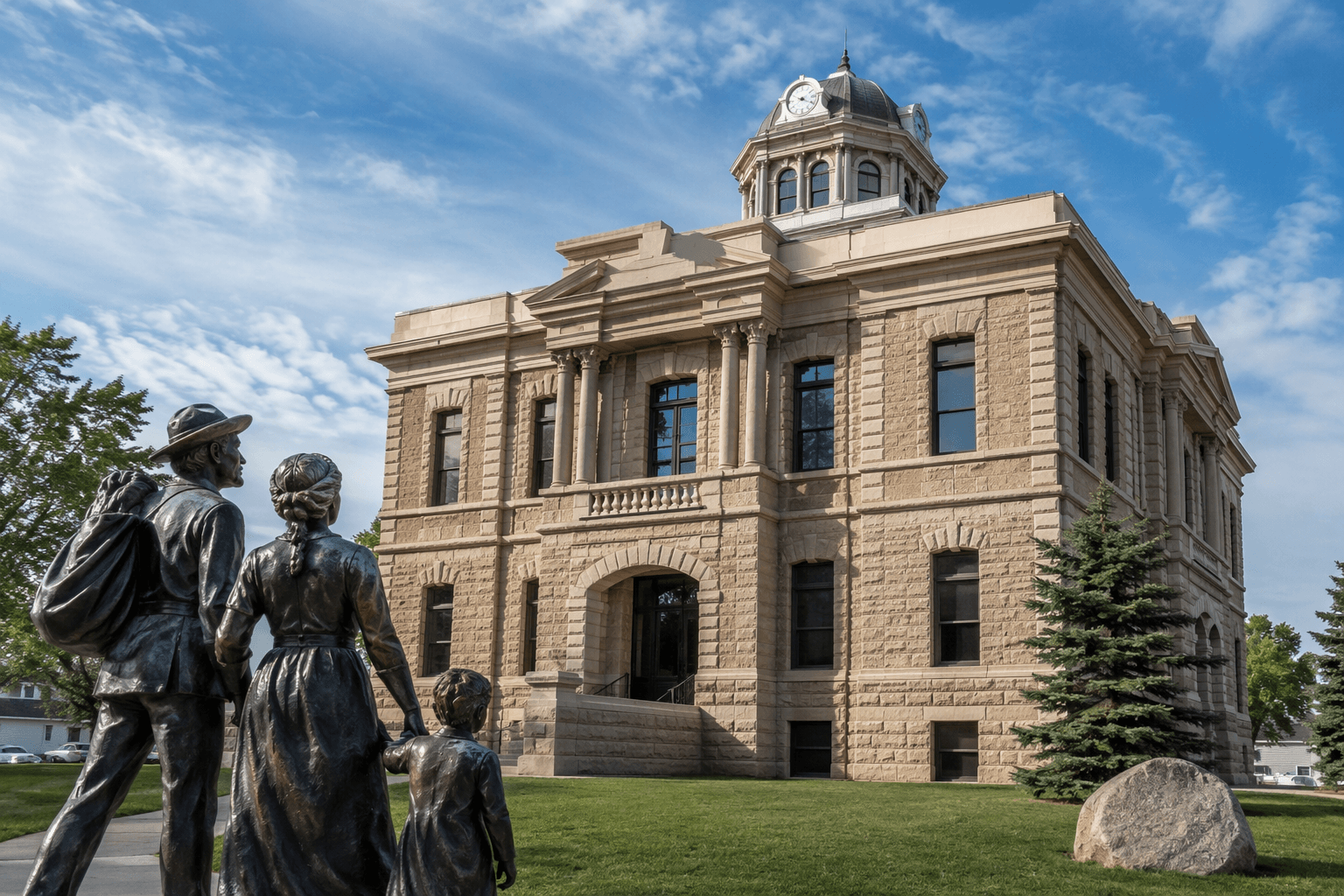
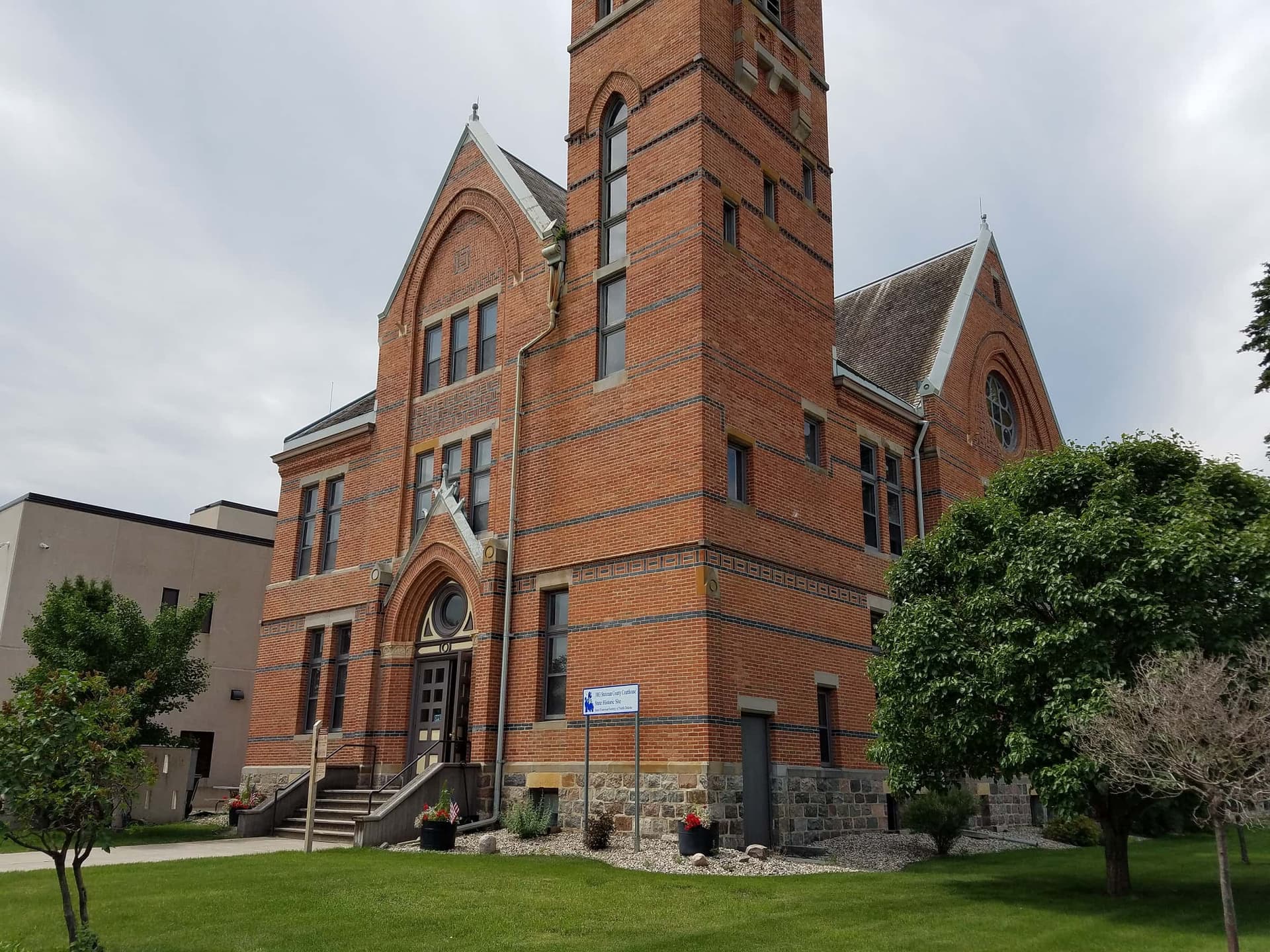
The courtroom setting gives the talks an added institutional edge. The courthouse was built in 1883 and is North Dakota’s oldest surviving courthouse, according to State Historical Society material. It is listed on the National Register of Historic Places, is one of only two county courthouses in the state built in the Gothic Revival style, and is noted for having the most complete collection of pressed tin in North Dakota and perhaps the Midwest. It is also the only remaining North Dakota building directly tied to the activities of the 1880s statehood movement, and the site includes a hands-on exhibit on civics and local government.
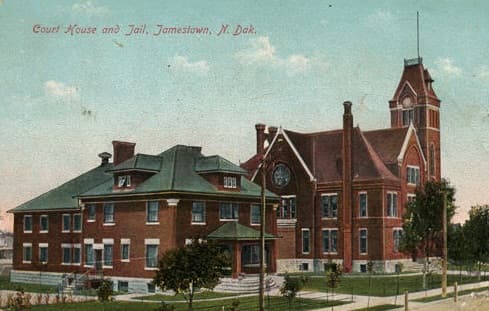
That larger frame matters in Stutsman County because settlement here was never just a one-family pioneer story. State Historical Society history says more than 100,000 people entered northern Dakota between 1879 and 1886, part of a territorial boom shaped by the Homestead Act, signed May 20, 1862, which required five years on the land, an $18 filing fee and property improvements. By placing the Blair family and the Exodusters inside the courthouse, the program puts Black settlement, territorial growth and civic history in the same room where county government once did its work.
This article was produced by Prism’s automated news system from verified source data, official records, and press releases, then run through automated quality and moderation checks before publishing. The system is built and supervised by the people who set the standards it runs under. Read our full AI policy.
Did this article answer your question?