Stutsman County preliminary budget shows more than $280,000 deficit
Stutsman County’s 2026 preliminary budget starts with a deficit of more than $280,000 against about $155 million in taxable value, putting taxes and services under pressure.

Stutsman County’s 2026 preliminary budget opens with a deficit of more than $280,000, a gap that could spill into property-tax bills, road work and day-to-day county services if commissioners do not close it before final approval. The county’s estimated taxable value is about $155 million, setting the size of the tax base that will absorb whatever choices leaders make next.
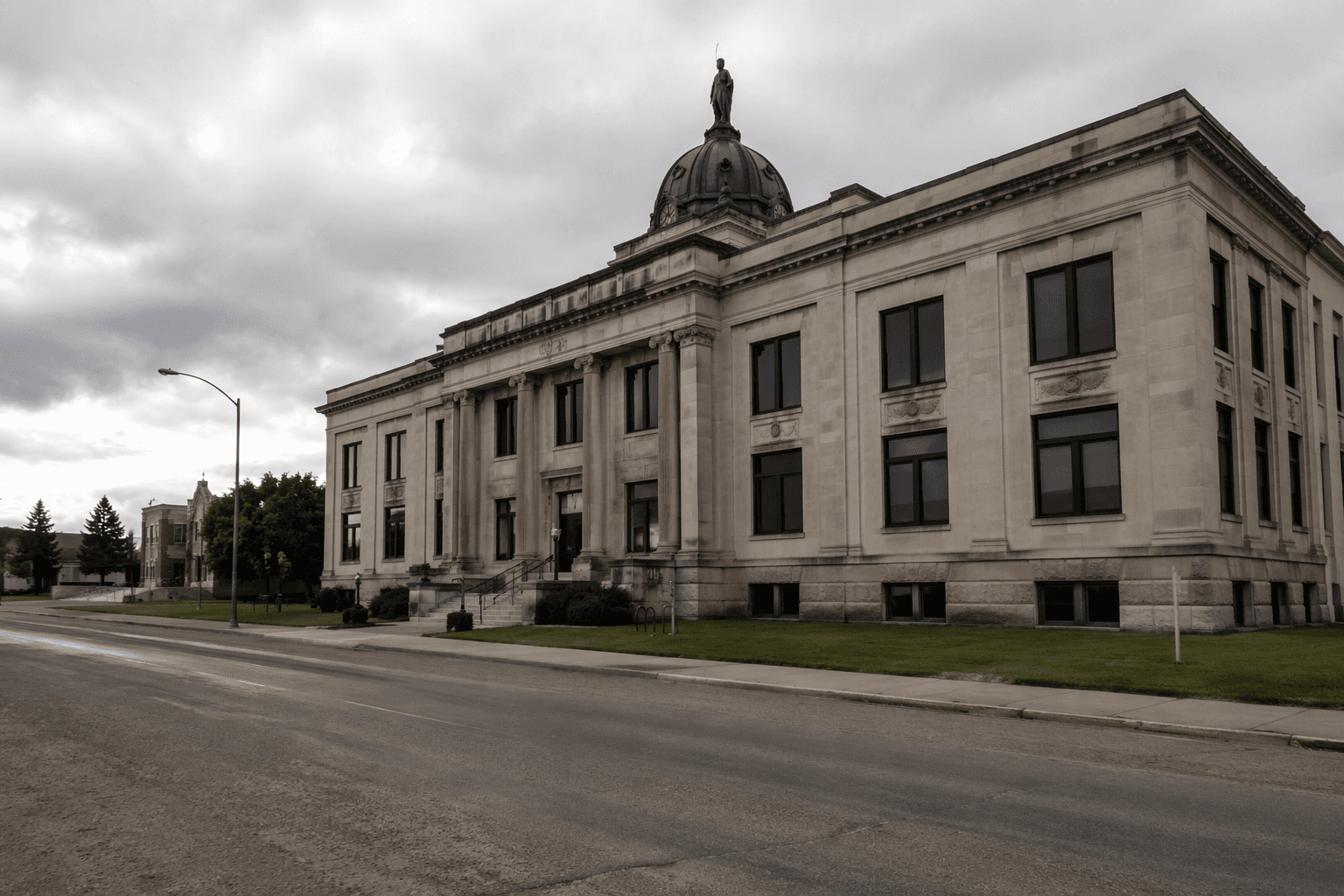
That matters in Jamestown, Medina, Buchanan and the rest of the county because the numbers in a preliminary budget usually point to the services most likely to feel strain. If the deficit remains, county leaders will have to decide whether to trim spending, use reserves, shift money between departments or accept a higher levy. The most immediate pressure points are likely to be road and bridge work, law enforcement operations, courthouse and administrative services, and other county responsibilities that depend on the general fund.
The taxable value figure gives a clearer picture of what residents are up against. Stutsman County’s Tax Equalization Office handles annual ad valorem property tax assessments, while the Treasurer’s Office collects real estate and mobile home property taxes. Together, those functions determine how county decisions reach homeowners, farmers and businesses when bills go out.
The budget debate is unfolding in public. Stutsman County operates an Open Budget portal that is meant to show how tax dollars are spent, and the county posts Board of County Commissioners agendas and minutes on its website. The county’s transparency portal also points residents to North Dakota laws requiring government records and meetings to remain open unless another law says otherwise.
Stutsman County’s 2024 levy documents give residents a way to compare this year’s draft with earlier tax-rate assumptions before commissioners settle on a final number. That comparison is especially important as counties across North Dakota say they are trying to live within the state’s 3% property-tax cap. The North Dakota Association of Counties says local governments are still worried about future budget cycles even after getting through the first year under the cap.
A recent budget in Walsh County shows how tight those calculations can be. That county set its mills at 121.8, down from 122.84 the year before, and said it stayed within the 3% cap after House Bill 1176, part of Gov. Kelly Armstrong’s property-tax relief and reform package. Stutsman County commissioners now face the same basic question: whether to cut, delay or charge more in order to finish the budget without pushing the shortfall onto taxpayers.
This article was produced by Prism’s automated news system from verified source data, official records, and press releases, then run through automated quality and moderation checks before publishing. The system is built and supervised by the people who set the standards it runs under. Read our full AI policy.
Did this article answer your question?