Stutsman County students explore birding and conservation at Arrowwood refuge
Students in Stutsman County spent May 29 at Arrowwood learning to spot waterfowl and prairie birds as local agencies built a conservation pipeline for future stewardship.

Students from Stutsman County spent May 29 at Arrowwood National Wildlife Refuge with binoculars, spotting scopes and conservation staff from across the county. The annual Bird Bus Tour, now in its second year, brought together the USDA Natural Resources Conservation Service, the Stutsman County Soil Conservation District and the U.S. Fish and Wildlife Service for a day built around waterfowl, grassland birds and the land practices that keep both alive.
Braedon Honetschlager, district conservationist with the NRCS Jamestown Field Office, started the idea after noticing the abundance of waterfowl in nearby prairie potholes. He worked with Gina Olson of the Stutsman County Soil Conservation District to line up a bus, binoculars, community partners and support from The James River Valley Library System, which handled registration and served as the departure point. The tour is held the first Friday after school dismissal to encourage youth participation.
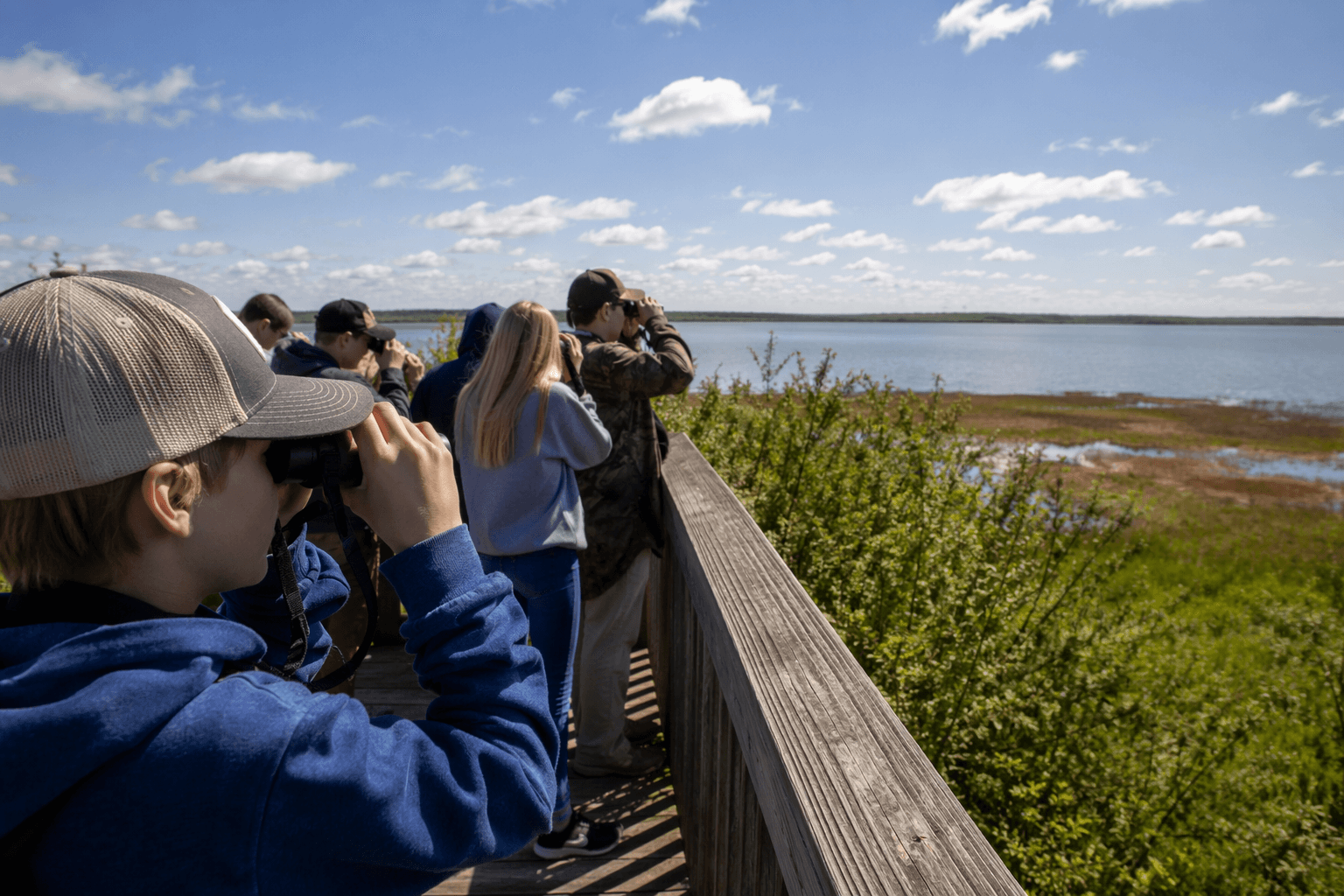
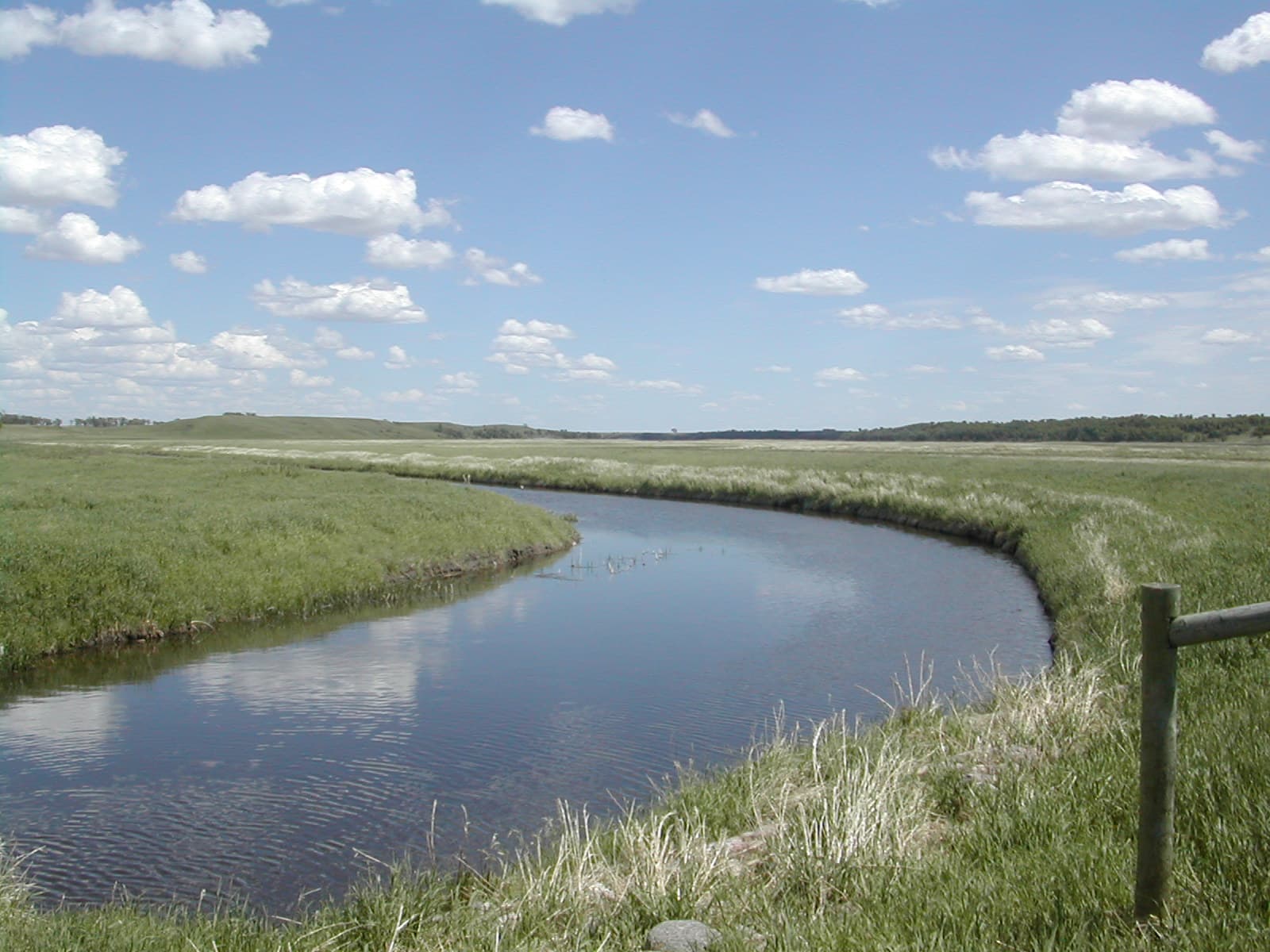
At Arrowwood, Refuge Manager Paul Halko introduced the group to the Prairie Pothole Region and the wetlands that make the area a critical stop for migratory birds. Arrowwood National Wildlife Refuge, near Pingree and about 30 miles north of Jamestown, spans nearly 16,000 acres and 14 miles of the James River Valley, and has recorded more than 250 bird species over time. Halko also walked students through the way wetlands are conserved through easements and managed by adjusting water levels along the James River. The Arrowwood Wetland Management District was established in 1961 to conserve more than 35,000 acres of wetland and grassland habitat in the Prairie Pothole Region.
Students used binoculars and spotting scopes to watch waterfowl and grassland birds while staff discussed rotational grazing, prescribed fire and invasive weed control. Honetschlager pointed to bobolinks and meadowlarks as strong indicators of well-maintained prairie because they thrive where grazing, fire and weed control stay in balance. Halko also covered how managers fight leafy spurge with flea beetles for biological control, use rotational grazing and apply prescribed burns to keep prairie ecosystems healthy.
Each student left with an entry-level pair of binoculars and a cinch sack filled with information on North Dakota birds. The effort drew support from Pheasants Forever, Vortex, the Stutsman County Wildlife Club, Orriginals, Farmers Union Insurance, the library system and Arrowwood National Wildlife Refuge. The Stutsman County Soil Conservation District, chartered Aug. 21, 1948, does school outreach on trees, soil and water quality for students in grades K through 12.
This article was produced by Prism’s automated news system from verified source data, official records, and press releases, then run through automated quality and moderation checks before publishing. The system is built and supervised by the people who set the standards it runs under. Read our full AI policy.
Did this article answer your question?