Fire Island National Seashore, Suffolk County's barrier-island gem
Fire Island National Seashore is Suffolk County’s year-round coastal buffer, where 26 protected miles shape access, wildlife, storm resilience, and local economies.
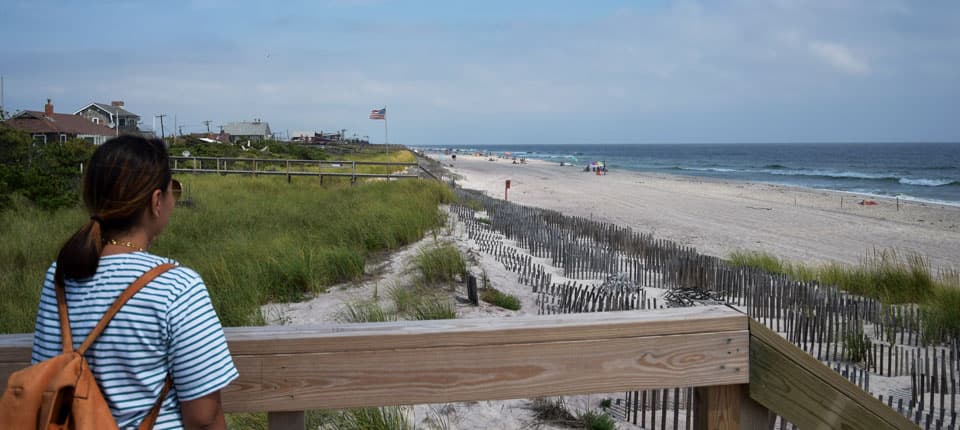
Fire Island National Seashore is a 26-mile stretch of protected barrier island on Long Island’s south shore, and that geography is why the park matters year-round, not just in July and August. The island buffers the mainland from Atlantic weather, protects coastal habitat, and gives Suffolk a federally managed shoreline that still sits beside living communities.
Why the barrier island matters
Fire Island’s long, narrow shape is the point. That combination of length and protection gives Suffolk County more than beaches: it preserves a natural line of defense, a corridor for wildlife, and a stretch of public land that would otherwise face intense development pressure.
Fire Island National Seashore was created in 1964, placing it within the modern era of federal coastal protection. That is when the federal government took on responsibility for a place that now helps define how Suffolk manages its shoreline and public access.
How to visit without treating it like a drive-in park
Fire Island does not work like a standard county beach with one gate, one lot, and one path to the sand. The National Park Service maintains a Plan Your Visit hub, separate directions pages, and visitor-center information because getting there requires advance planning around access points, travel logistics, and conditions on the island itself.
There are multiple ways in and multiple places to start. There are visitor centers, including a Wilderness Visitor Center, and a dedicated communities page that reflects the different community areas along the island. For a day trip, an overnight stay, or a longer visit, the island’s character changes by entry point. One area may be oriented toward beachgoing, another toward interpretive visits, and another toward the more protected interior landscape.
- check the directions and access information before you go
- choose the community area or visitor center that fits the trip you want
- plan around the island’s boardwalks and beach conditions
- treat camping as a separate kind of visit that requires specific preparation
A practical Fire Island visit starts with a few basics:
The places that make the park more than a beach
The seashore’s strongest natural draw is not just the open sand. The Sunken Forest and Fire Island Wilderness are notable protected areas. The Sunken Forest shows that the island contains more than exposed shoreline, while the wilderness designation signals a level of protection beyond ordinary recreation space.
Dunes, interior habitat, beach ecology, and coastal wildlife all depend on protection that keeps the island functioning as a living barrier system. The same landscape that attracts summer visitors also helps support the ecological conditions that matter during storms, migrations, and the quieter off-season months when the island is less crowded but still doing its work.
It is part of the coastal system that shapes how the south shore absorbs weather, preserves habitat, and manages public land without losing the island’s natural form.
Fire Island Lighthouse and the park’s public identity
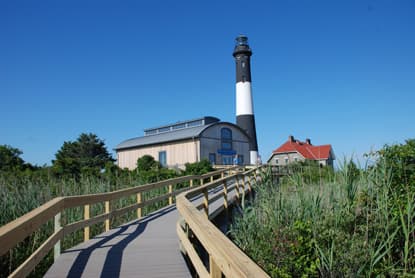
The Fire Island Lighthouse remains one of the seashore’s most recognizable landmarks and is central to the park’s identity. The lighthouse gives the park a historic anchor that helps connect the island’s navigation history to its present role as public land.
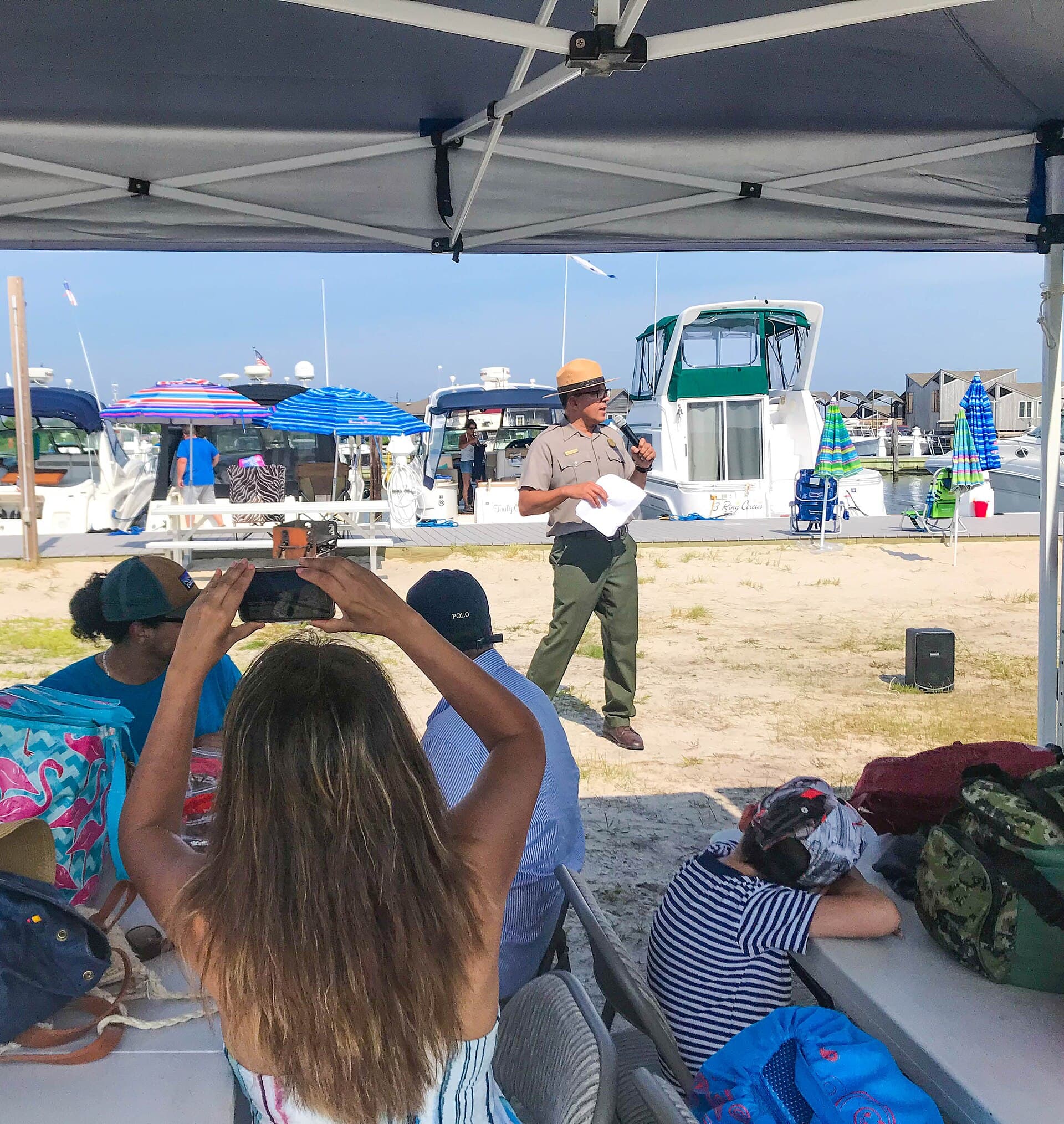
The Fire Island Lighthouse Preservation Society sits within that broader landscape of stewardship, where federal protection and local preservation efforts meet on the same shore. In Suffolk County, the seashore is tied to nearby communities through access, history, and shared use of the coastline.
What the park returns to Suffolk County
Tourism to Fire Island National Seashore creates $19,258,500 in economic benefit. Visitors who come for day use, interpretive stops, camping, or lighthouse-related trips support spending that reaches beyond the sand. That makes the park relevant not only to conservation advocates but also to restaurants, transportation operators, and nearby retailers that depend on coastal visitation.
The anniversaries of the seashore and American wilderness conservation place Fire Island within a larger public-land story that stretches back decades. It is a federal asset that helps define Suffolk County’s coastline, supports local access, and preserves the barrier-island landscape that protects the mainland behind it.
This article was produced by Prism’s automated news system from verified source data, official records, and press releases, then run through automated quality and moderation checks before publishing. The system is built and supervised by the people who set the standards it runs under. Read our full AI policy.
Did this article answer your question?