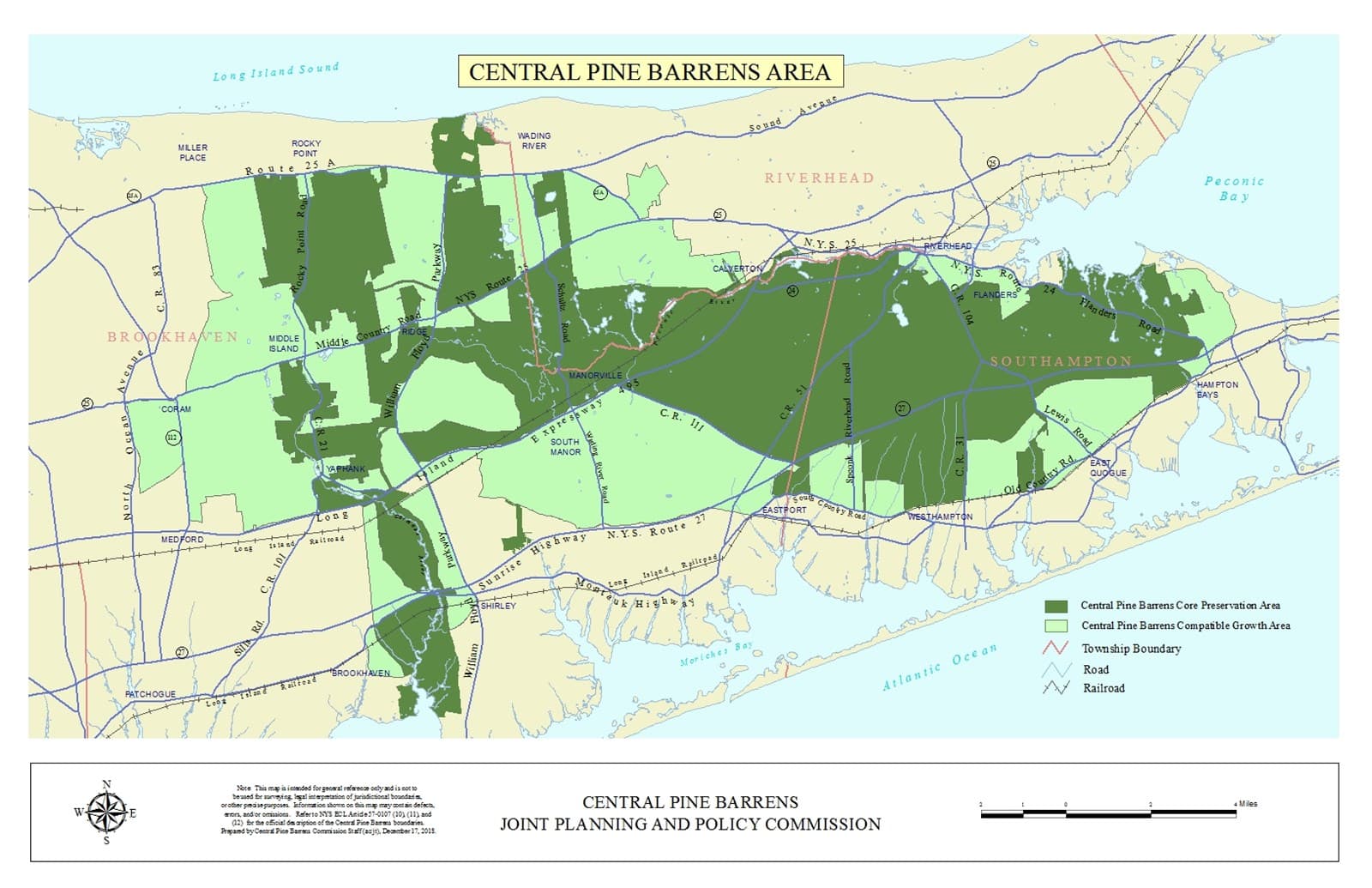
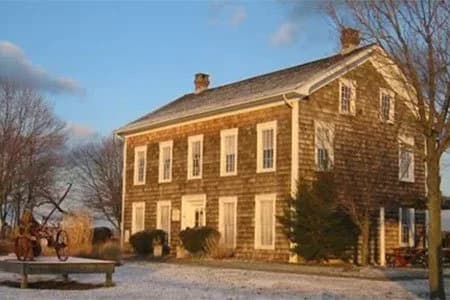
Suffolk County Historical Society Museum preserves 300 years of local history
Riverhead’s historical society is a working archive, not just a museum, with 20,000 objects and 300 years of county records that still shape how Suffolk remembers itself.

The Suffolk County Historical Society Museum in Riverhead is one of the county’s most useful public resources because it does something a display case alone cannot do: it turns Suffolk’s past into something searchable, documented, and usable. With about 20,000 objects, more than 20,000 volumes, and archives that reflect roughly 300 years of county life, the institution gives families, newcomers, and civic leaders a paper trail for understanding how towns, neighborhoods, and institutions took shape.
A county memory bank in the center of Riverhead
The museum’s collections are built to show the history of Suffolk County and Long Island, but their value is practical as well as interpretive. Town records, ledgers, diaries, photographs, postcards, maps and atlases, cemetery transcriptions, ancestor charts, scrapbooks, Bible records, newspapers, and federal and state censuses all sit under one roof, which makes the museum part family-history center, part land-use archive, and part civic record room.
That breadth matters in a county where history is often argued over in the present tense. A postcard of a downtown block, a map that shows an older road pattern, or a ledger that names a business on Main Street can help explain how places changed, which properties survived, and why some people and institutions are remembered while others vanish from the public story. The collection’s range also means the museum is not limited to famous events or elite families. It holds the material that documents everyday life.
What the museum holds, and why it matters
The Suffolk County Historical Society Museum says its collections include approximately 20,000 objects. Those objects are paired with a library and archives assembled over the past 100 years to reflect the county’s 300-year history. That combination makes the institution unusually strong for anyone tracing a surname, a house, a parcel of land, or a local organization.
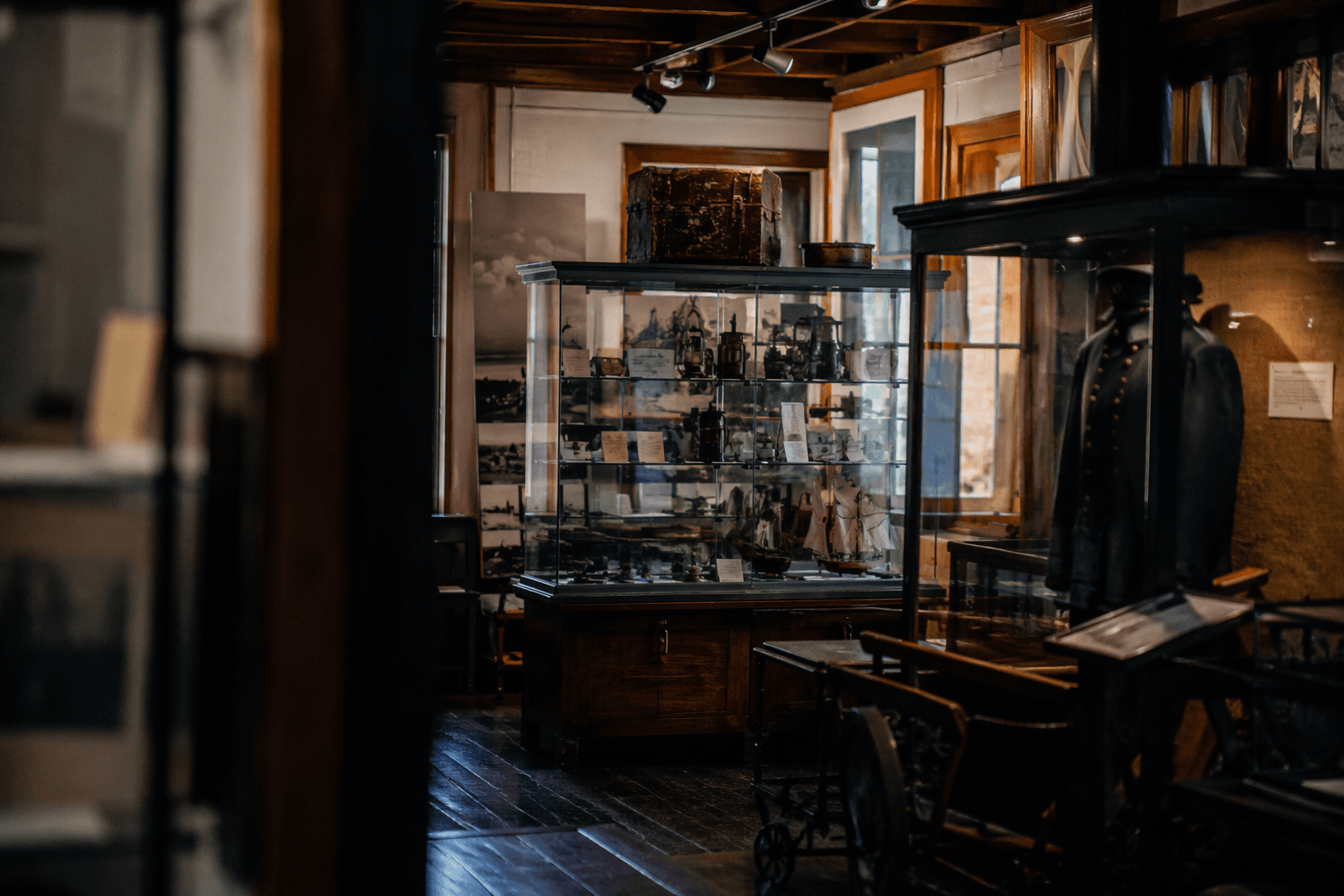
Among the most useful holdings are:
- town records that can place decisions in a municipal context
- ledgers and diaries that reveal daily work and household life
- photographs and postcards that show how communities looked before redevelopment and expansion
- maps and atlases that track changing roads, boundaries, and neighborhoods
- cemetery transcriptions and ancestor charts that connect present-day families to earlier generations
- scrapbooks, Bible records, newspapers, and census materials that fill in gaps where official records end
Those materials matter because Suffolk County history is not only about grand dates and celebrated names. It is also about who owned what, who moved where, which blocks were rebuilt, and which families remained in place long enough to shape civic memory. In that sense, the museum functions as a tool for understanding the county’s present, including the debates that continue over downtown identity, tourism, and land use.
Founded in 1886, built for a changing county
The Suffolk County Historical Society was founded in 1886 by a group of forward-looking county residents. The society says Riverhead was chosen as the logical place for the county seat and for preserving county history, a choice that still makes sense today because Riverhead remains a central point for anyone trying to understand the county as a whole.
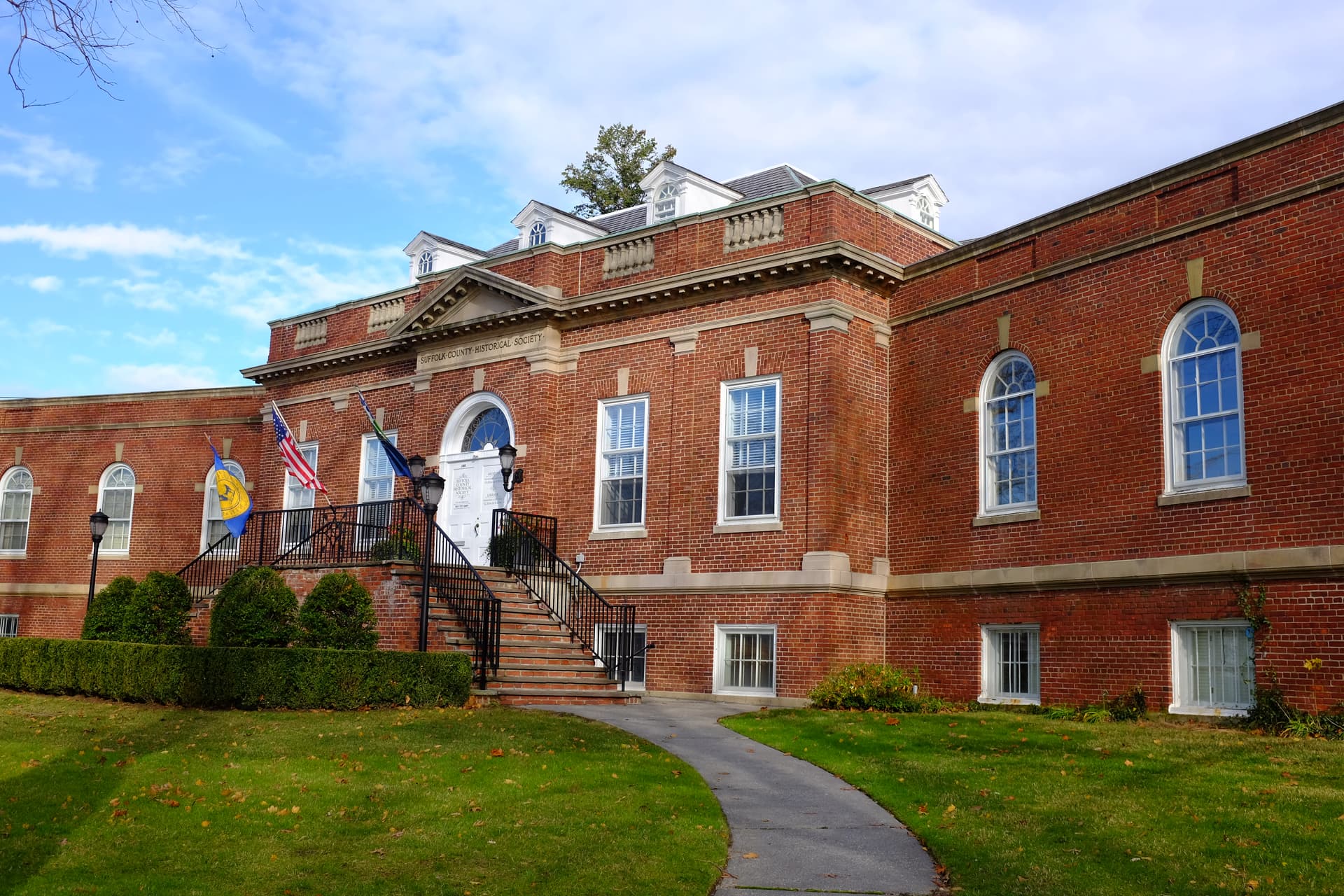
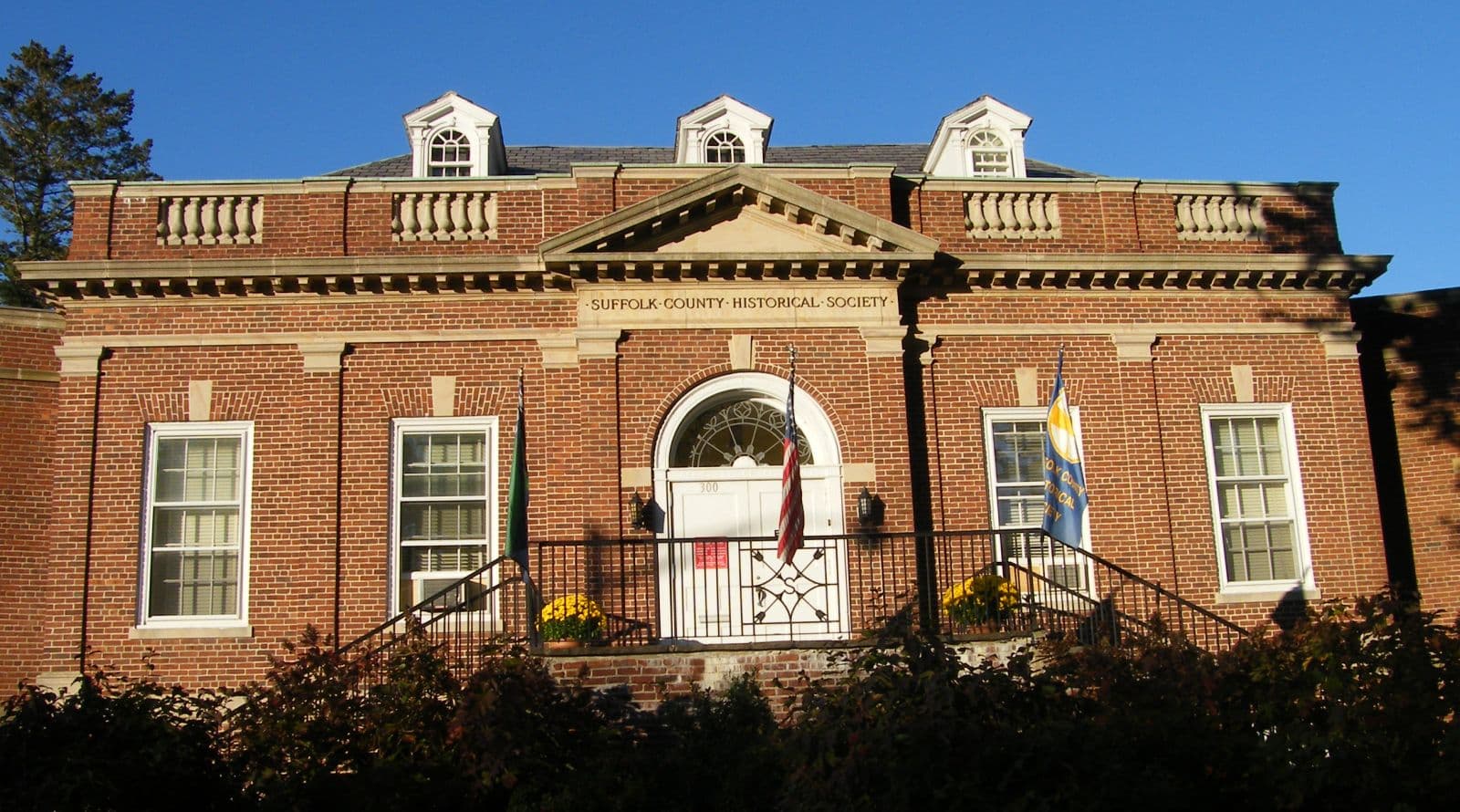
That institutional logic is visible in the building itself. The society’s building was listed on the National Register of Historic Places in 1994, giving the museum an added layer of significance as both a repository and an artifact. The structure is not simply where history is stored; it is part of the historical record of Suffolk County’s effort to preserve itself.
A North American Reciprocal Museum listing describes the museum as open year-round and housing ten galleries of exhibit space focused on the history, heritage, and people of Suffolk County. That layout matters because it signals a broad interpretive mission, not a single-topic exhibit hall. Visitors are not walking into one narrow chapter of county history. They are entering a multi-gallery institution designed to connect local life across time.
How to use the museum
The museum is located at 300 West Main Street, Riverhead, NY 11901, and visitor information lists museum and gallery hours as Wednesday through Saturday, 10:00 a.m. to 4:30 p.m. The year-round schedule makes it a steady resource rather than a seasonal attraction, which is important for anyone doing research around school projects, property questions, genealogy, or local history.
A useful visit usually begins with the galleries, then moves into the research collections. The exhibits offer a broad view of Suffolk County’s heritage and people, while the archives provide the documents that can turn a general story into a specific one. For someone trying to understand an old family name, a neighborhood street, or the history of a longtime business district, the museum’s value is in the details that other institutions often do not keep together.
The journal connected to the society extends that work. The Journal of the Suffolk County Historical Society welcomes contributions on all aspects of Suffolk County history and natural history, the genealogy of Long Island families, and general information on genealogical research, including previously unpublished Bible records. It is free for members and available by subscription to libraries and institutions, which helps keep local scholarship circulating beyond the museum walls.
Why it still matters to Suffolk today
Suffolk County changes fast enough that people can lose the thread between one generation and the next. The museum counters that drift with records that make neighborhoods legible, families traceable, and local decisions easier to understand. A map can explain a road pattern, a census can place a family in a district, and a diary or ledger can show how a place functioned before the current version of it existed.
That is why the Suffolk County Historical Society Museum remains more than an archive of old objects. It is a practical guide to how Suffolk became the county it is now, and a reminder that the records shaping tomorrow’s arguments are already being preserved on West Main Street in Riverhead.
This article was produced by Prism’s automated news system from verified source data, official records, and press releases, then run through automated quality and moderation checks before publishing. The system is built and supervised by the people who set the standards it runs under. Read our full AI policy.
Did this article answer your question?