Greenlawn water district gets federal grant for well upgrades, PFAS removal
Greenlawn will tap a $3.2 million federal grant to add PFAS filters at Wells 10 and 15, a move meant to protect drinking water without leaning as hard on local bills.
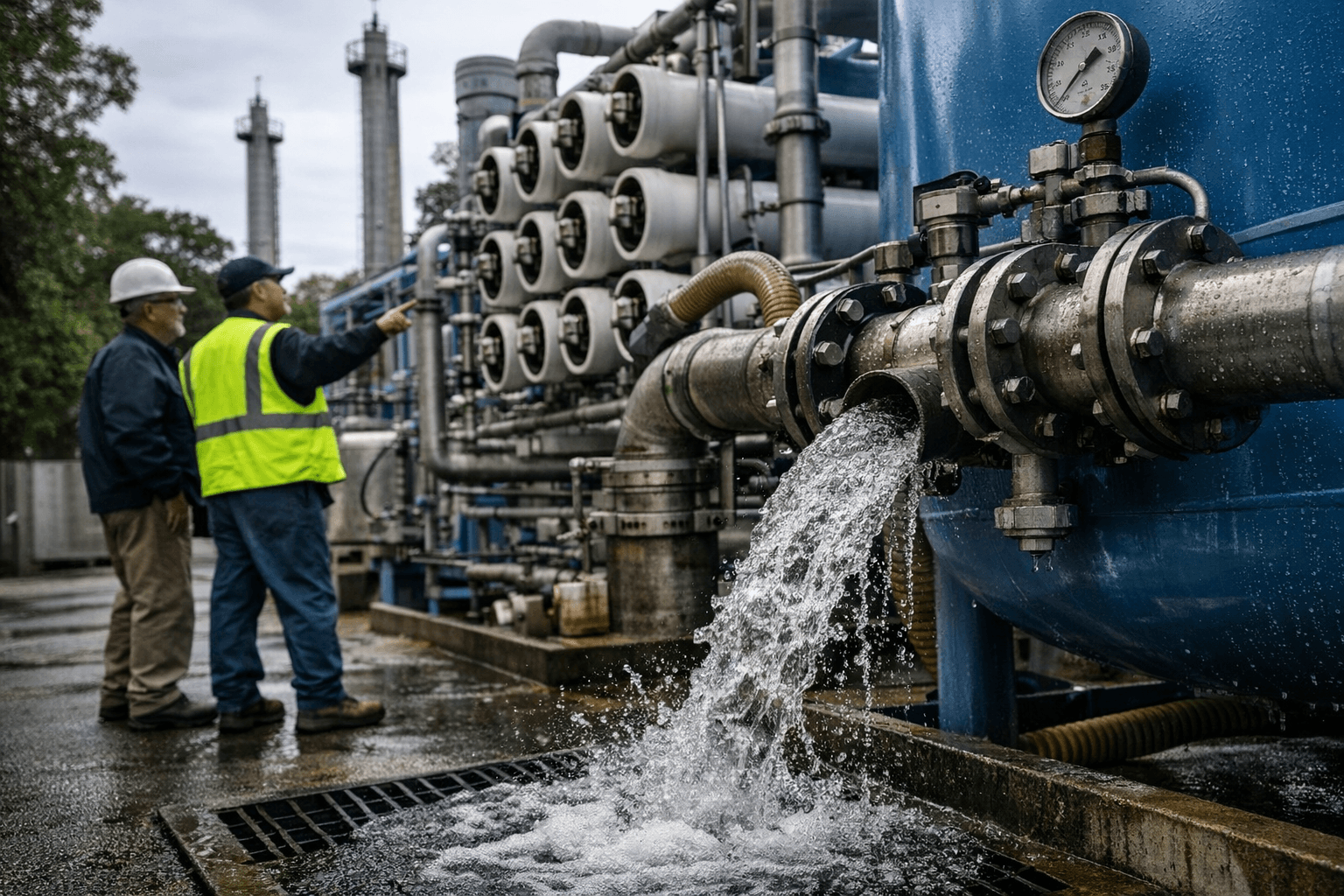
Greenlawn Water District is getting $3.2 million in federal aid to install four granular activated carbon pressure vessels at Wells 10 and 15, a project aimed at stripping PFAS, PFOS and other volatile organic compounds from the drinking water before those treatment costs land on local ratepayers.
The grant was part of Gov. Kathy Hochul’s April 16 announcement of $43 million in water and sewer financing across New York. State officials said the financing package is meant to keep aging infrastructure and contamination fixes affordable, and Hochul said New York’s Water Infrastructure Improvement Grants have saved more than $7.2 billion for ratepayers statewide since 2015.
Greenlawn had already been moving toward the same upgrade. The district posted a bid notice on Dec. 11, 2025, for wellhead treatment for PFAS and VOCs at Wells 10 and 15, with bids due Jan. 14, 2026. A district newsletter had said the treatment would use granular activated carbon systems and that the work would bring PFAS treatment at those wells online in late spring 2024, showing the project has been in the pipeline for years. The district also posted a separate 2026 bid for an emergency generator at Well No. 4, underscoring how much of the district’s capital spending is now tied to reliability and water quality at the same time.
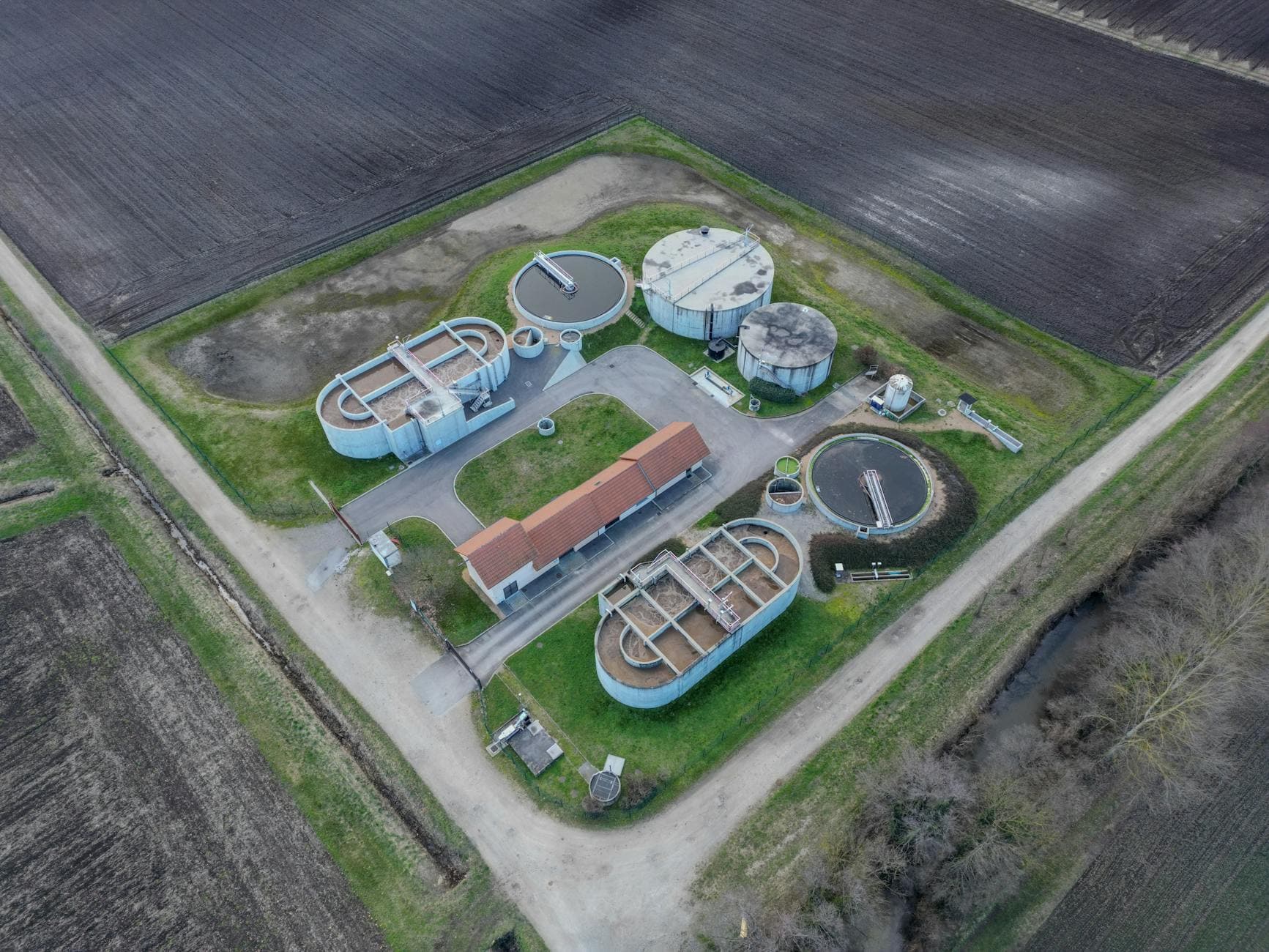
The district, which says it has served the community since 1927, covers about 14 square miles and supplies Greenlawn village plus parts of South Greenlawn, Laurel Hill, Commack and South Elwood. It says total storage exceeds 6 million gallons, and its mission includes protecting the supply from contamination while keeping the system in compliance with local, state and federal agencies.
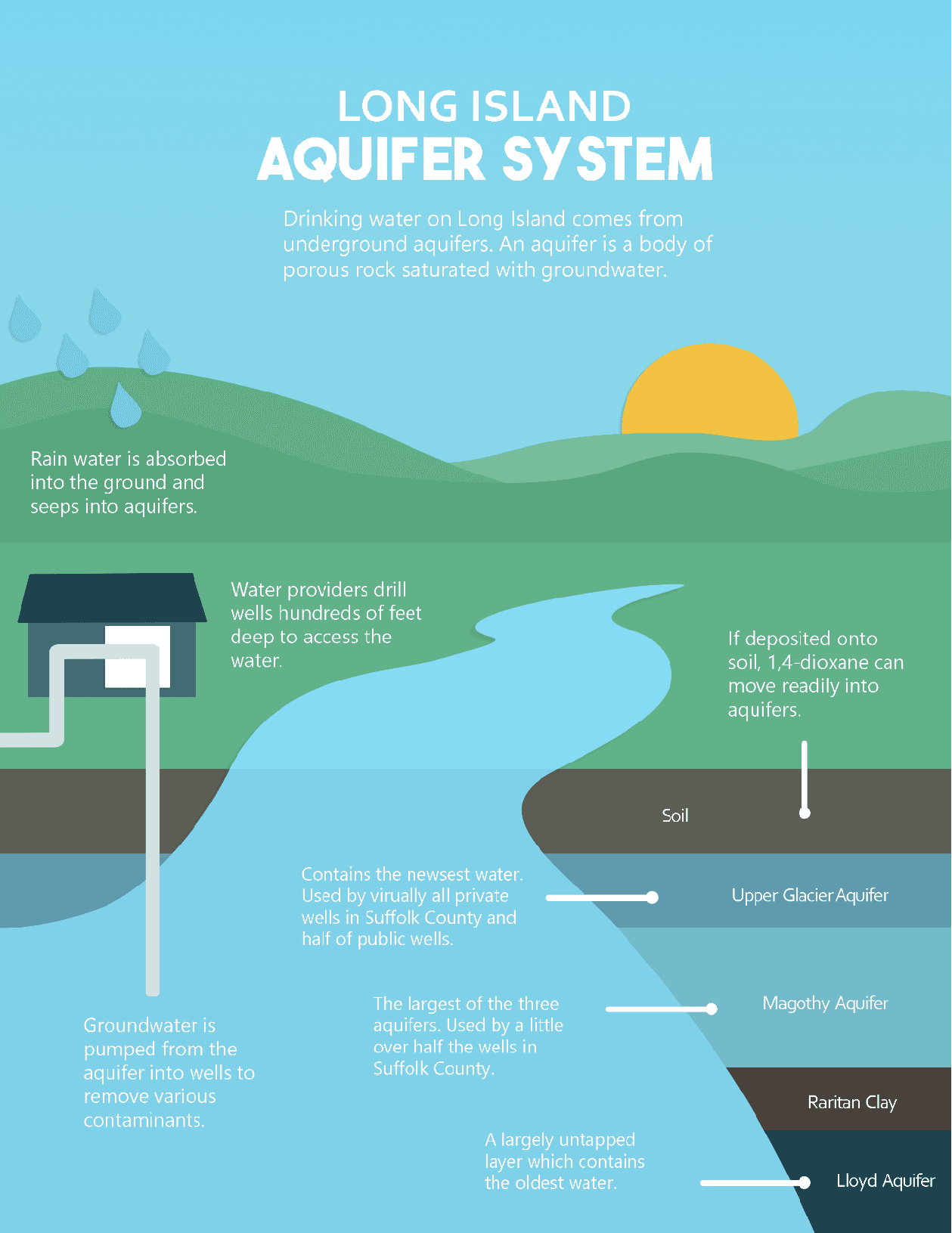
The timing matters because the rules have tightened. New York set enforceable drinking-water limits in 2020 at 10 parts per trillion for PFOA and PFOS, while the federal PFAS rule now requires 4 parts per trillion for those chemicals by 2029. On Long Island, where the U.S. Geological Survey says the sole-source aquifer supplies more than 400 million gallons a day from more than 1,500 public-supply wells to more than 2.8 million people, every treatment upgrade carries broader weight than a single district line item.
That is why the financing model matters as much as the filters. In Greenlawn, the federal grant helps absorb much of the upfront cost, which can limit pressure on household water bills. In neighboring Westbury, North Hempstead officials are planning to bond $43 million for improvements, a reminder that when districts cannot secure enough grant money, debt financing can push more of the bill onto future ratepayers. In Suffolk, Greenlawn’s project shows how the county’s drinking-water future is increasingly being paid for through a mix of public grants, state support and long-term borrowing rather than routine maintenance alone.
This article was produced by Prism’s automated news system from verified source data, official records, and press releases, then run through automated quality and moderation checks before publishing. The system is built and supervised by the people who set the standards it runs under. Read our full AI policy.
Did this article answer your question?