Orient Woman With Dementia Found Safe in Maryland After 300-Mile Search
Judith Hudson, 79, drove more than 300 miles from Orient to Silver Spring, Maryland before police found her safe after a 24-hour, three-state search.
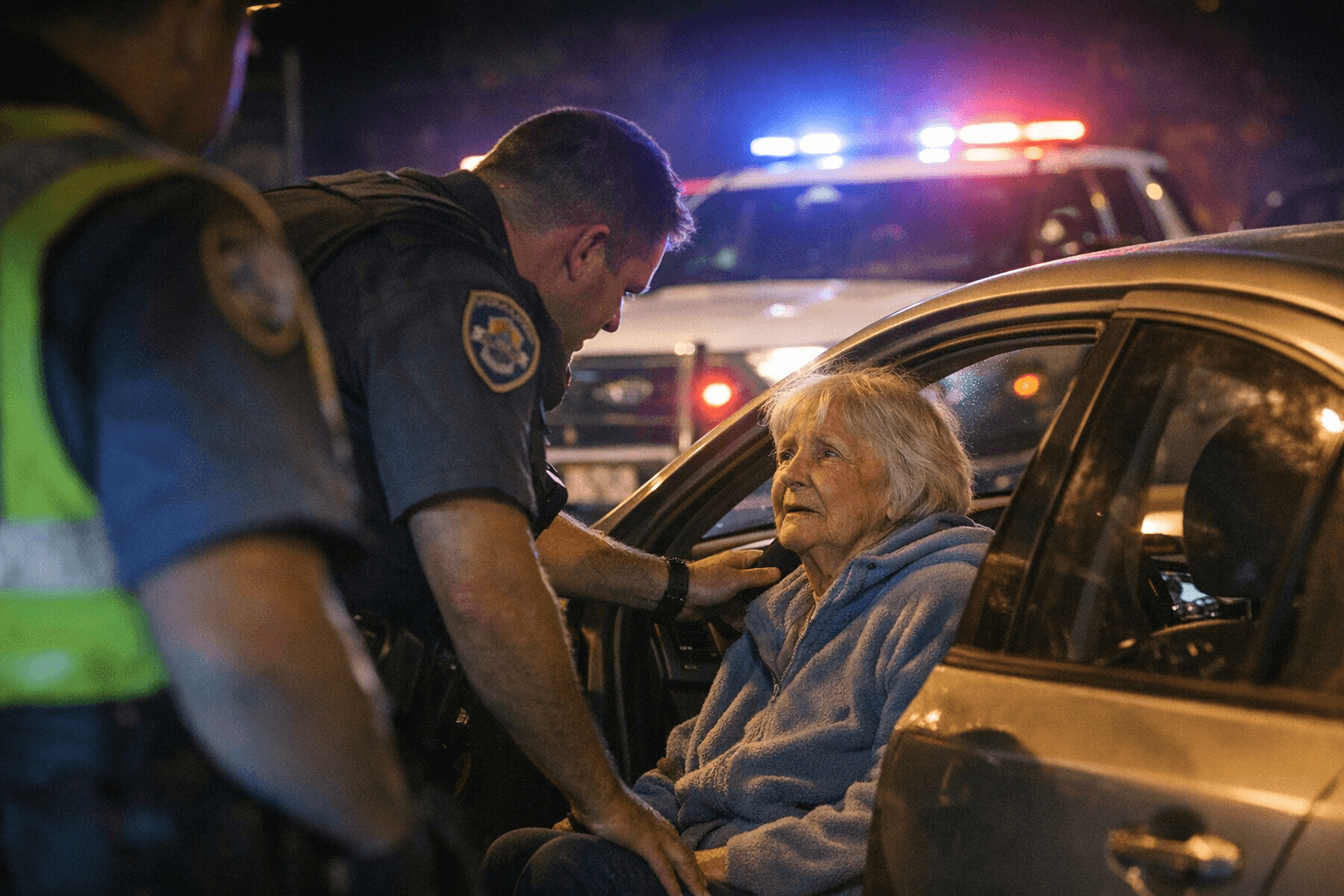
Judith Hudson, a 79-year-old Orient resident living with dementia, was behind the wheel and alone for more than 24 hours before Montgomery County officers found her vehicle at a Silver Spring intersection on March 29, more than 300 miles from her Village Lane home on the North Fork.
How she traveled that far without being stopped is the question the case puts to every family caring for someone with dementia on eastern Long Island. The answer lies in the gap between when she left and when the call went in.
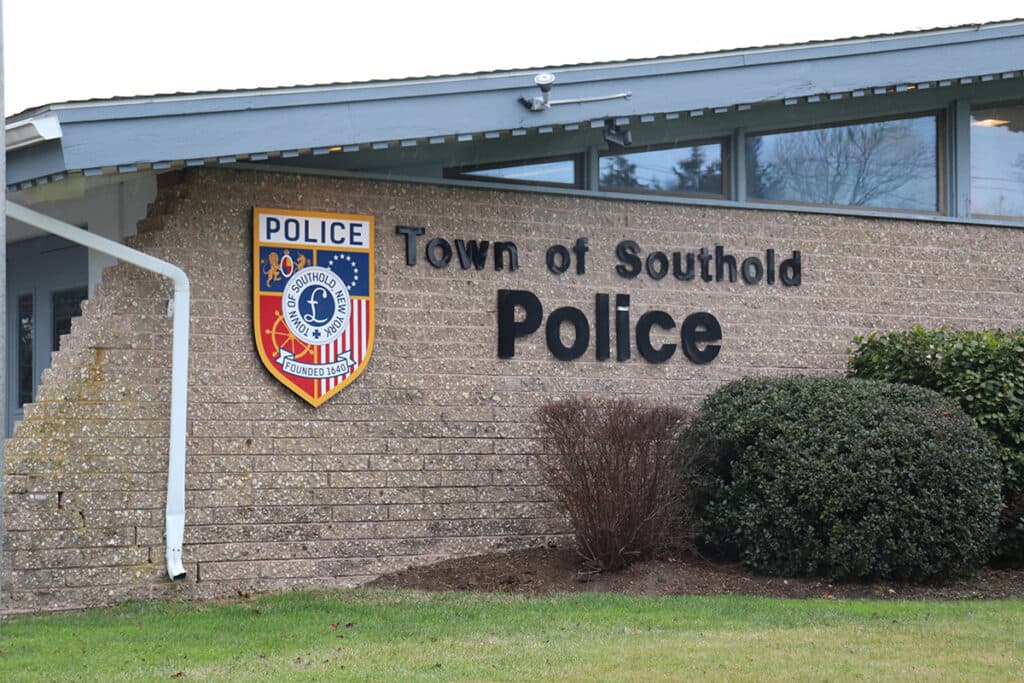
It began Saturday morning, March 28, when Judith failed to arrive at Stony Brook University Hospital for a scheduled medical appointment. Her twin sister, Jane Hudson, 79, had traveled from South Carolina to visit; when Jane arrived at the Village Lane house and found her gone, she contacted Southold Town police. By then, license plate recognition cameras had already logged Judith's vehicle leaving Southold Town at approximately 10:15 a.m. A second LPR hit, hours later, placed her car in a New Jersey township around 4:30 p.m.
Southold Town police issued a Silver Alert and broadcast the vehicle description across the interagency network. The bulletin reached Maryland, where Montgomery County Police and Maryland State Police began working their own plate-reader system. Officers located Judith's vehicle the following afternoon at the intersection of Randolph Road and New Hampshire Avenue in Colesville. She was unharmed; medical personnel evaluated her before she was returned to family.
The case demonstrates both the reach of modern LPR networks and where they depend on human timing. At least six hours elapsed between Judith leaving her driveway and the missing person report being filed, and she had already crossed into New Jersey before the interagency bulletin circulated. The technology covered the distance no patrol could have; but it only moves on data that arrives in time.
For families on the North Fork in similar situations, New York's Silver Alert has a clear threshold: the person must be 65 or older, must have a diagnosed cognitive impairment such as Alzheimer's or dementia, and must be reported missing and believed to be in danger. Once triggered, the alert reaches law enforcement statewide, activates highway variable message signs, and circulates through transit terminals and Thruway toll plazas.
The Alzheimer's Association's MedicAlert + Safe Return program pairs a wearable ID bracelet with a 24-hour emergency database that officers can query the moment a loved one is reported missing. The Alzheimer's Association Long Island Chapter, based at 300 Broadhollow Road in Melville, handles enrollment and runs caregiver support groups across Suffolk County; the national 24-hour helpline at 1-800-272-3900 connects directly to trained specialists. The Long Island Alzheimer's and Dementia Center and the Alzheimer's Disease Resource Center both offer free care consultations and referral services to families anywhere on Long Island.
Vehicle GPS units and tracker tiles placed in a car can give a caregiver real-time location without waiting for a police report. A pre-arranged neighbor check-in, even an informal one, creates an earlier alert window. In Judith Hudson's case, it was her twin sister who noticed she was gone. Not every family has that proximity, and in a rural, spread-out community like the North Fork, a missed appointment can mean a 300-mile head start.
This article was produced by Prism’s automated news system from verified source data, official records, and press releases, then run through automated quality and moderation checks before publishing. The system is built and supervised by the people who set the standards it runs under. Read our full AI policy.
Did this article answer your question?