Suffolk becomes New York's Lyme disease epicenter amid rising tick illnesses
Suffolk recorded 3,152 Lyme cases in 2024, the most in New York. County leaders are warning families, schools and workers to treat ticks as a daily summer hazard.

Chuck Schumer stood at West Hills County Park in Huntington on July 1 and sought $273.5 million in the federal 2027 budget to confront tick-borne illness as Suffolk County remained the state’s hot spot with 3,152 Lyme cases in 2024.
Schumer’s office put the Montauk-to-Manhattan region at more than 6,600 Lyme cases last year, with many New York City infections acquired in Suffolk. Lyme disease, anaplasmosis and babesiosis continue to rise statewide, while Rocky Mountain spotted fever and Powassan virus have held steadier.

The state also lists alpha-gal syndrome, ehrlichiosis, hard tick relapsing fever and Powassan encephalitis among the serious illnesses spread by ticks in New York. At the Huntington press event, Suffolk County Executive Ed Romaine called ticks a “true public health crisis” and said he has had Lyme disease twice. Stony Brook infectious-disease specialist Dr. Luis Marcos said more than 12 tick-borne diseases may affect humans.

Suffolk County has spent years building out its response. The Suffolk County Department of Health Services began a tick and pathogen study with the state in 2016, after a county task force was created in 2011 and issued its final report in 2015. The surveillance program samples ticks from all 10 townships, but the findings come from a single collection point in each township and do not represent every neighborhood or park within it.
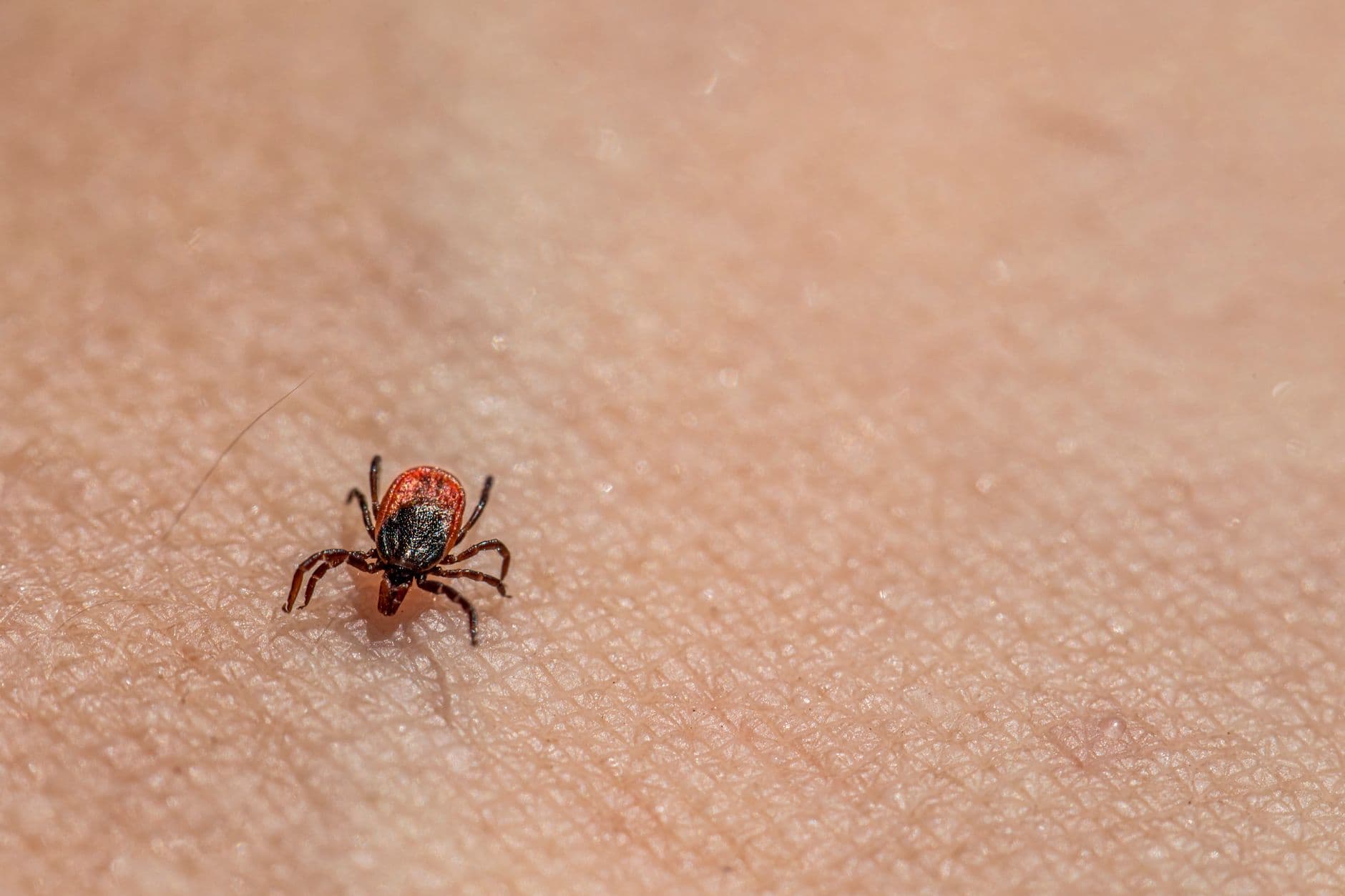
The samples have identified tick-borne pathogens at infection rates similar to those seen in other New York counties and in the scientific literature. The county has since hired a full-time entomologist, expanded countywide surveillance and launched a tick-control capital program at Indian Island County Park. The Suffolk County Tick Control Advisory Committee has continued to push for more research, broader public education and additional funding.

Stony Brook Medicine also runs a Regional Tick-Borne Disease Resource Center in Hampton Bays.
This article was produced by Prism’s automated news system from verified source data, official records, and press releases, then run through automated quality and moderation checks before publishing. The system is built and supervised by the people who set the standards it runs under. Read our full AI policy.
Did this article answer your question?