Suffolk County tracks 50 Cyclospora infections amid Long Island outbreaks
Suffolk County has tracked 50 Cyclospora infections as officials watch Long Island outbreaks. The parasite can trigger watery, sometimes explosive diarrhea and often spreads through contaminated food or water.

Fifty Suffolk County residents have been infected with Cyclospora as health officials monitor multiple Long Island outbreaks, a parasite known for watery, sometimes explosive diarrhea and stomach cramps.
Cyclospora infects the small intestine and can also cause loss of appetite, weight loss, bloating, nausea, fatigue, vomiting, body aches and a low-grade fever. Symptoms usually start about a week after exposure and can last for days or more than a month if the illness is not treated. In some people, the symptoms ease and then return.

The parasite spreads through contaminated food or water and is not typically passed from person to person. U.S. outbreaks have often been linked to imported fresh produce and travel to tropical or subtropical regions.
The Suffolk County Department of Health Services, through its Bureau of Epidemiology and Disease Control, is the local agency responsible for preventing the spread of communicable disease. Cyclosporiasis is a nationally notifiable disease, so confirmed cases are reported through state and local public health systems and tracked by the CDC.

Diagnosis may require several stool samples collected on different days, along with special laboratory tests that are not part of a routine stool exam. When treatment is needed, trimethoprim-sulfamethoxazole, or TMP-SMX, is the drug of choice.
Recent nationwide cyclosporiasis cases have increased, and CDC is publishing surveillance updates more frequently than in past seasons.
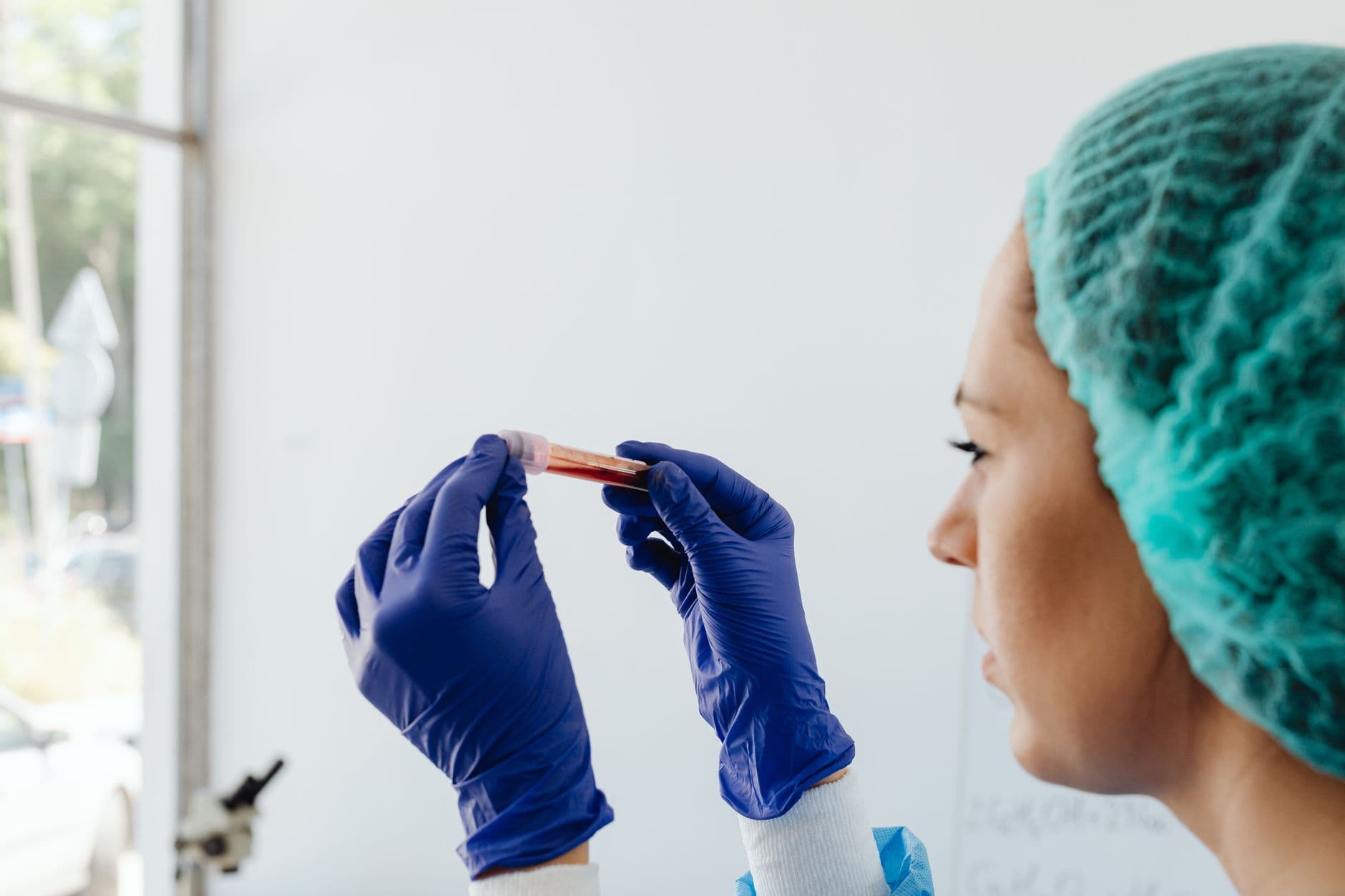
Anyone with persistent watery diarrhea, significant abdominal cramping, weight loss or dehydration should seek medical care, especially after recent travel or a suspected exposure to fresh produce.
This article was produced by Prism’s automated news system from verified source data, official records, and press releases, then run through automated quality and moderation checks before publishing. The system is built and supervised by the people who set the standards it runs under. Read our full AI policy.
Did this article answer your question?