Claremont delays wetland zoning vote as riverfront trail advances
Claremont’s wetland rules stayed on hold while a $850,000 river walk project kept moving, leaving landowners and conservation advocates waiting for the next zoning vote.
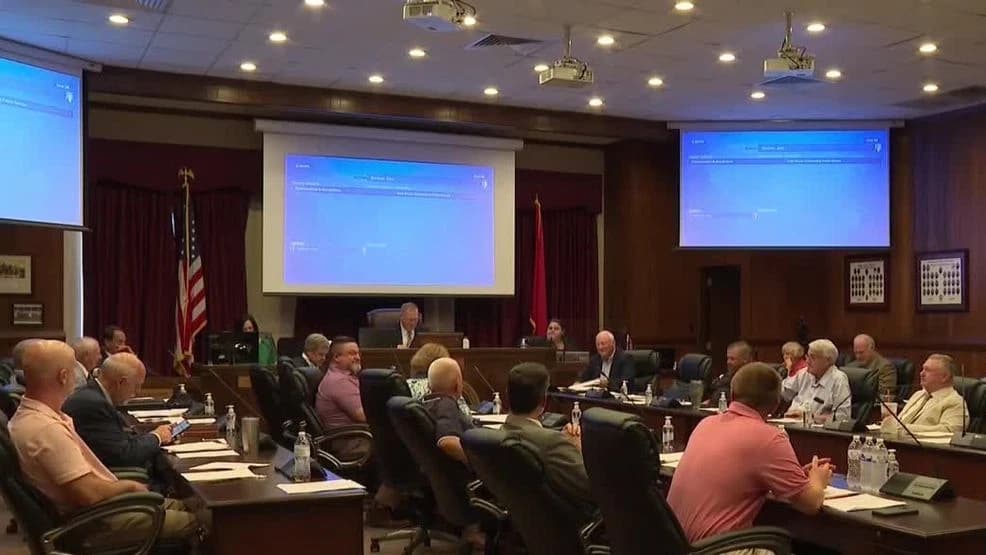
Claremont’s Conservation Commission postponed action on new wetland zoning rules, leaving protections around sensitive land use unresolved even as the city’s riverfront trail plans moved ahead.
The delay matters because wetland protection and zoning are standard duties for New Hampshire conservation commissions, and the decision will affect how Claremont handles development near protected areas. For residents and landowners near wetlands, the hold means the city has not yet set clearer rules on where future building can and cannot go.
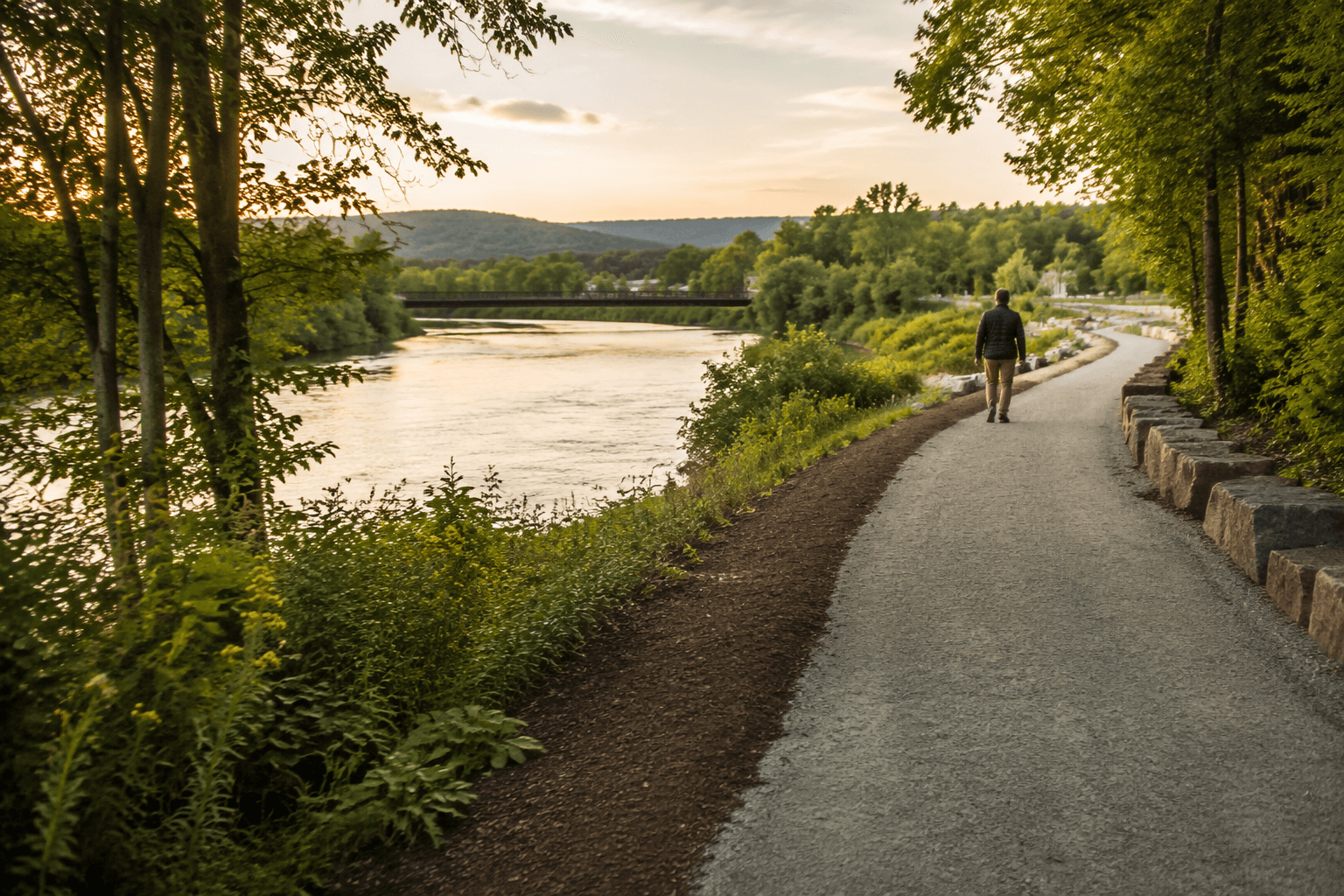
At the same time, Claremont’s riverfront recreation work is gaining momentum. The city’s website carries a Rail Trail Trestle Closure notice, showing the rail trail corridor is already part of active city planning. That comes alongside a separate report that the Claremont river walk project received $850,000 in federal funding, money tied to moving the trail concept from discussion toward design.
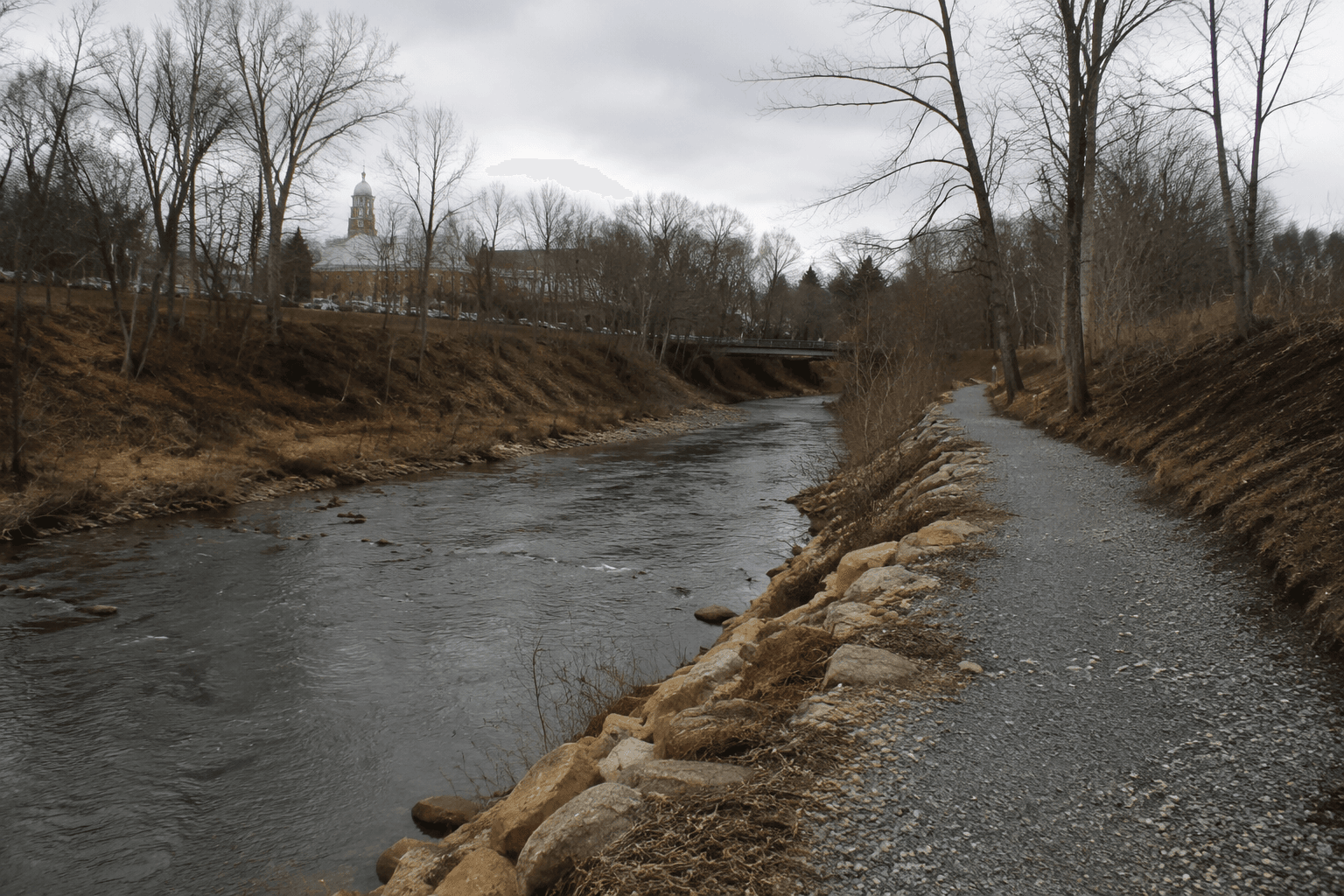
A separate video report said that grant money will be used to design a walkway connecting Wall Street to the rail trail bridge over the Sugar River. That route would tighten the link between downtown Claremont and the riverfront, giving the city a clearer path to open-space recreation and improved pedestrian access.
The sequencing creates a practical tradeoff. Riverfront trail planning is advancing with funding and design work, while the wetland zoning question remains open, which leaves conservation advocates without updated local protections and gives developers and property owners more time before any stricter standards take hold. In that sense, the delay is not just procedural. It shapes which parts of Claremont’s waterfront get attention first: recreation access and trail construction, or the regulatory line-setting that governs nearby land.
The next decision point sits with the Conservation Commission, which will have to return to the wetland zoning proposal after postponing it. Until then, Claremont’s riverfront priorities are moving in one direction while its land-use protections remain under discussion in another.
This article was produced by Prism’s automated news system from verified source data, official records, and press releases, then run through automated quality and moderation checks before publishing. The system is built and supervised by the people who set the standards it runs under. Read our full AI policy.
Did this article answer your question?