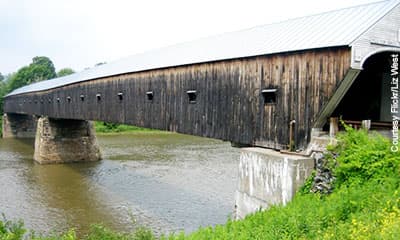
Mount Sunapee State Park offers hiking, swimming and camping in Newbury
Mount Sunapee gives Sullivan County a free-parking beach, year-round hiking and a 10-site campground in one state park on Lake Sunapee.
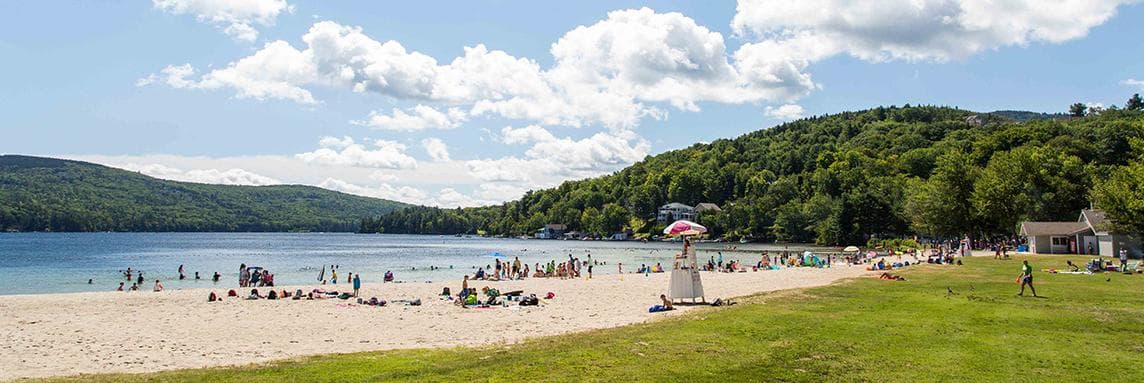
Mount Sunapee State Park is one of the most useful public recreation assets in Sullivan County because it folds hiking, swimming, paddling and camping into one Newbury address. The park covers 5,100 acres, sits on the Lake Sunapee side of the mountain, and functions as part of New Hampshire’s 94-property state park system, which makes it more than a scenic overlook: it is a managed place residents can use in every season.
A park that works as a trail system, not just a viewpoint
The park’s trail map gives locals a practical way to use the mountain without guessing. It names the Summit Trail, Rim Trail, Goshen Trail and Newbury Trail, and it marks Lake Solitude, Mountain View Lake, Lucia’s Lookout and Eagle’s Nest Summit. Those routes can be approached from Route 103 and Route 103A, which matters for anyone trying to plan a short family outing, a longer ridge walk or a return trip that does not start and end in the same spot.
A resort hiking page says several trails are open year-round, including the Summit Hiking Trail, the Lake Solitude Hiking Trail and the Newbury Trail. That makes the mountain useful well beyond ski season, especially for residents who want a lower-cost outing without committing to a full beach day or campground stay. For older adults or anyone looking for a gentler pace, the named trail network and the ability to plan from multiple access points make it easier to pick a shorter route and stay close to the summit road.
January through March: winter on a mountain with public roots
Mount Sunapee’s winter identity goes back to December 26, 1948, when skiing opened with a 3,300-foot North Peak single chair, three trails, two rope tows and the North Peak Lodge. That history still shapes how the mountain is used today, even for people who are not buying a lift ticket, because the road system and trail access were built around a mountain that has long served both recreation and access.
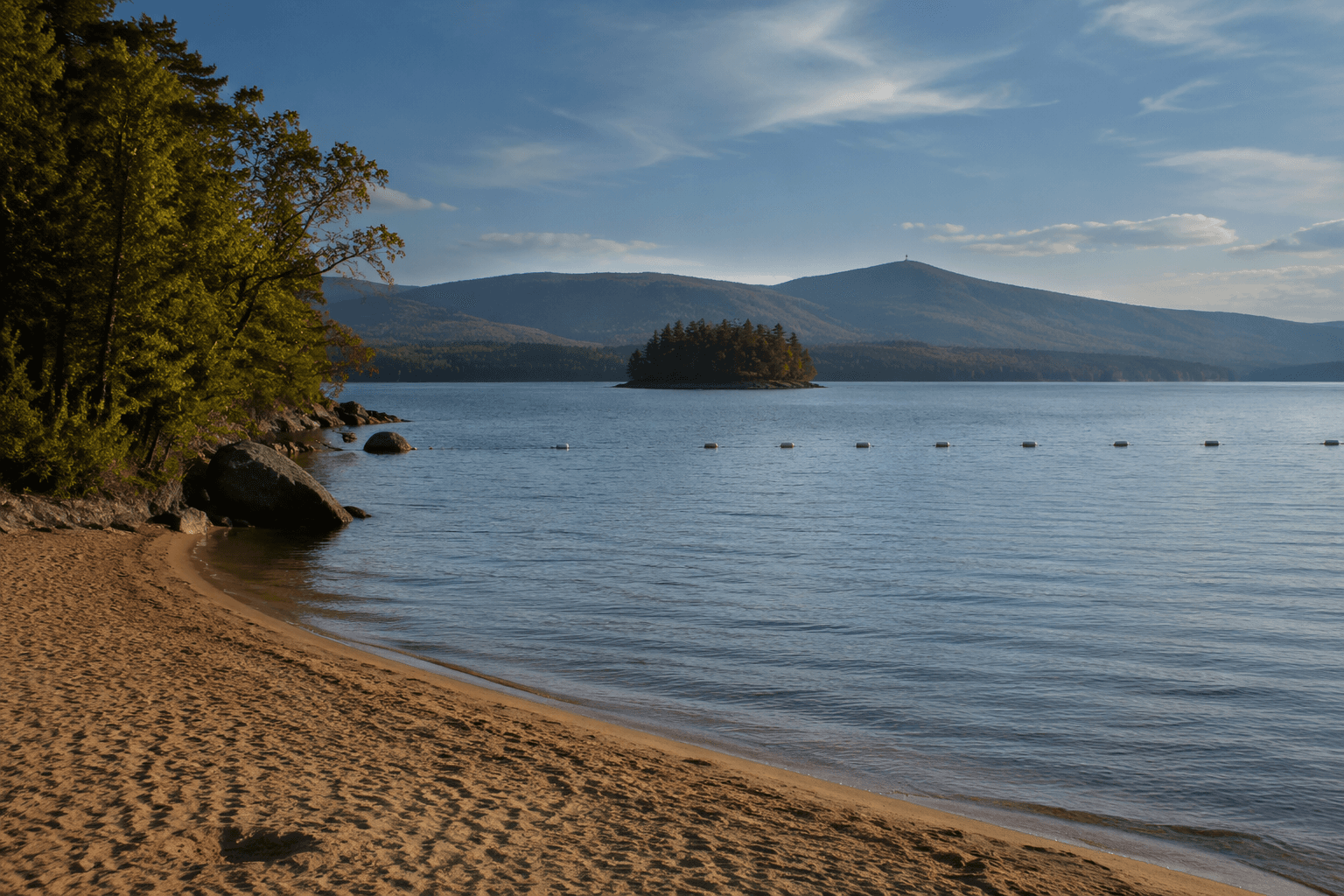
In the colder months, the year-round hiking trails remain the main draw for locals who want fresh air without the summer crowds. The Summit Hiking Trail, the Lake Solitude Hiking Trail and the Newbury Trail are the routes most worth keeping in mind when the mountain is quiet, and the trail map’s destinations give a clearer picture of where those walks lead than a generic trailhead sign ever could.
April and May: shoulder season, then camping returns
Spring is when Mount Sunapee shifts from a snow-season mountain to a park locals can use more freely. The campground opens for reservable stays from Memorial Day weekend through Columbus Day weekend, so April and most of May are the time to plan rather than sleep on site. The campground is off NH Route 103, reached by a winding mountain road through Mt. Sunapee Resort, and its address is 86 Beach Access Road, Newbury, NH 03255.
The campground itself is small, with 10 campsites, including 5 lean-tos and one platform site, along with wooded tent sites. That scale makes it a better fit for families who want a manageable campground and for budget-conscious travelers who do not need a large resort setup. An operating-plan snippet says guests may hike the interpretive trails free of charge and can enter the walking trail network by foot, which adds value for campers who want a short walk instead of a full-day drive.
June through August: beach days, boating and the busiest weeks
Summer is when Mount Sunapee becomes the kind of place where a family can spend an entire day without leaving the park. The beach area includes a sandy beach, picnic areas, a boat launch and canoe and kayak rentals, and Lake Sunapee itself is a 4,085-acre lake. That combination gives the park a split personality that works well for Sullivan County residents: one part mountain outing, one part lake access, all under state park management.
One paddle guide lists day-use admission at $5 for adults and $2 for children ages 6-11, which is the clearest fee detail available for planning a low-cost trip. Parking is free at Mount Sunapee, with three lots along the access road and overflow parking at Sunapee State Beach. Weekend shuttles are available, and the resort advises arriving early for the closest spots, especially on weekends and holidays. That matters because the beach area is widely used in summer and can get crowded when the weather is good.
For nearby businesses, summer traffic is part of the park’s value. The Lake Inn at Mt. Sunapee includes Mount Sunapee State Park on its attractions page for visitors near Newbury, a sign that the park helps feed the local visitor economy around lodging, meals and other stops along the Lake Sunapee corridor.
September through December: foliage, camping close and a winter reset
Fall is when the trail map becomes especially useful. The Summit Trail, Rim Trail, Goshen Trail and Newbury Trail all matter when the map is read with foliage season in mind, because the destinations it marks, including Lucia’s Lookout and Eagle’s Nest Summit, give hikers a reason to plan a return trip instead of treating the mountain as a one-time stop. For families, September and October are also the cleanest months to use the campground before the reservable season closes on Columbus Day weekend.
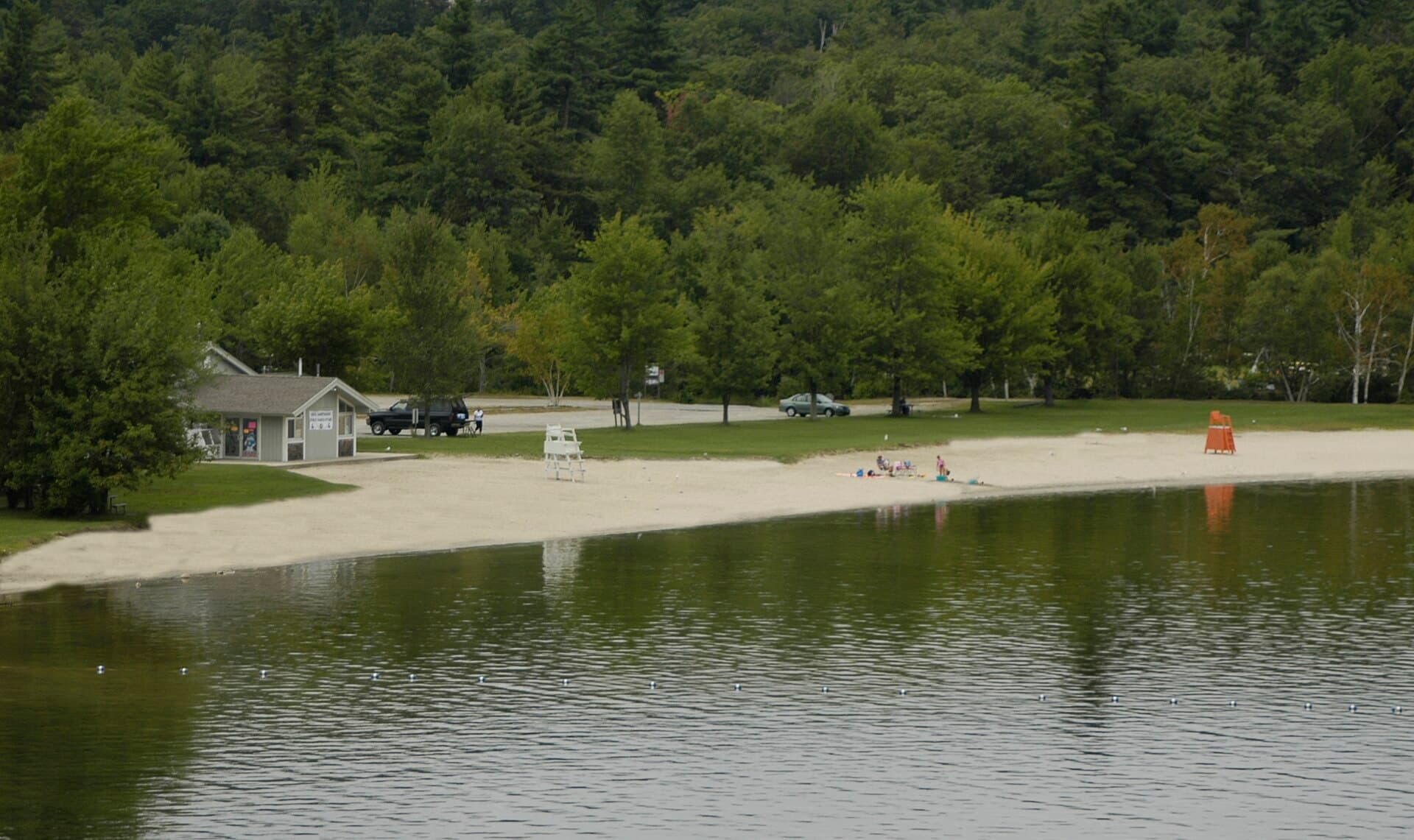
By November, the campground is past its busy season and the beach traffic has thinned, which makes the park easier to use for shorter hikes and quieter visits. December then returns the mountain to its long winter identity, the one that began with ski operations in 1948 and still anchors how many people think about Mount Sunapee even when they are not skiing.
A public asset shaped by protection, not just recreation
Mount Sunapee’s recreation story began with conservation. In 1909, summer resident Herbert Welsh asked area residents to help save the mountain from lumbering operations, and by 1911, 656 acres on the summit had been acquired for protection. That earlier preservation work explains why the mountain is now a place where public access and land stewardship run together instead of competing.
The broader oversight remains active. The Mount Sunapee Advisory Commission keeps the park in a public decision-making framework, while Friends of Mount Sunapee, the Society for the Protection of New Hampshire Forests and the Lake Sunapee Protective Association all remain part of the conservation conversation around the mountain. For Sullivan County, that means Mount Sunapee is not just a destination to visit when the weather is good. It is a year-round piece of community infrastructure, built for hiking, swimming, camping and the continuing management of one of the county’s most visible public lands.
This article was produced by Prism’s automated news system from verified source data, official records, and press releases, then run through automated quality and moderation checks before publishing. The system is built and supervised by the people who set the standards it runs under. Read our full AI policy.
Did this article answer your question?