Newport Opera House, Sullivan County landmark since 1886, anchors Main Street
The Newport Opera House has been more than a landmark since 1886: it still anchors Main Street as Newport’s civic and cultural center, shaped by rebuilding, preservation, and community use.
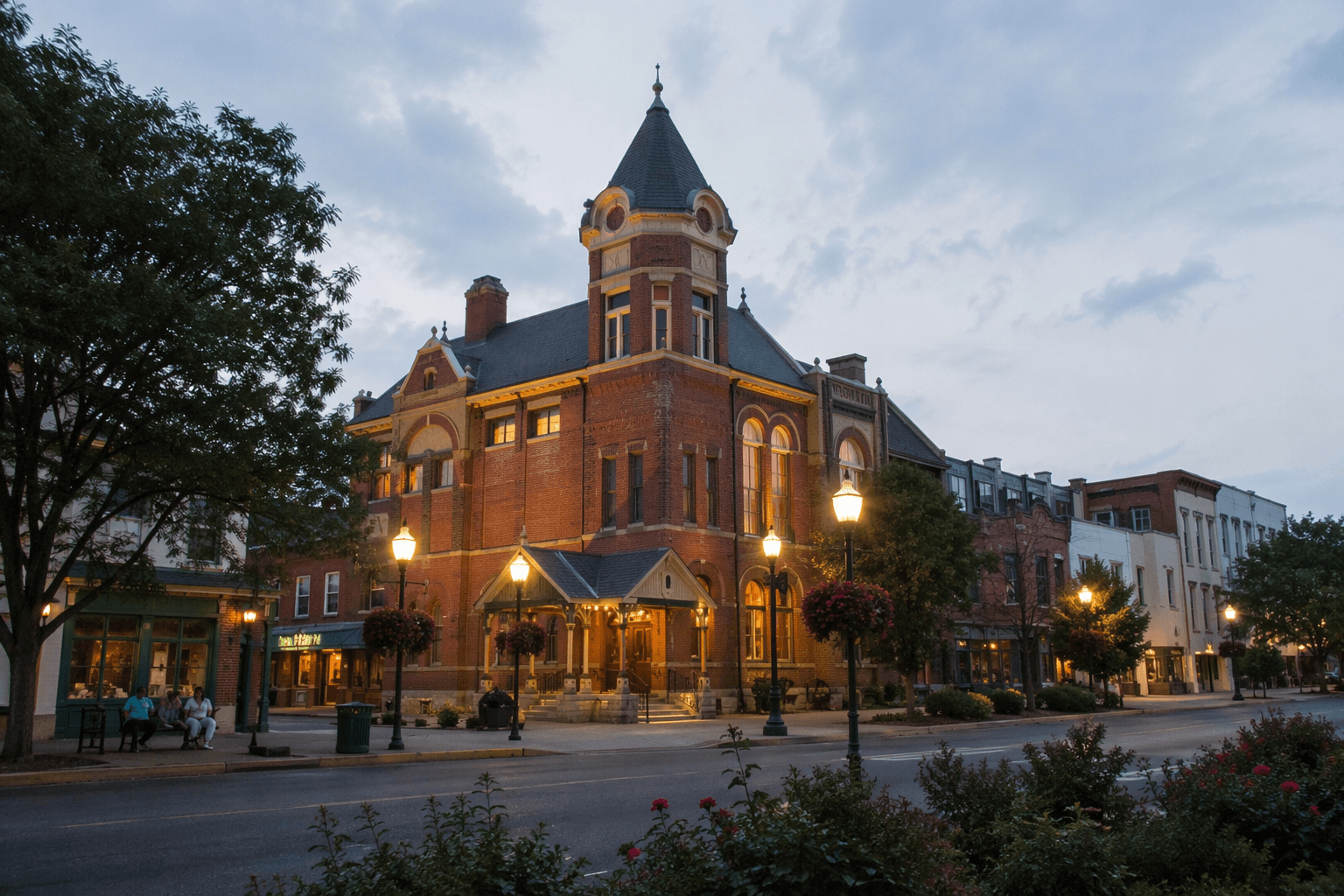
The Newport Opera House still holds the corner of 20 Main Street like a working piece of downtown, not a relic behind glass. Built after fire, listed for its historic value, and tied to the town’s civic life, it remains one of the clearest symbols of how Newport has kept Main Street active as the county seat of Sullivan County.
From town hall to opera house
The story begins with the first town hall on the site, built in 1872. That building was destroyed by fire in 1885, and the present Newport Opera House rose in its place in 1886. Hiram Beckwith of Claremont handled the reconstruction, and the project cost $26,000, a substantial investment that shows how seriously Newport treated the rebuilding of its civic core.
That sequence matters because the building was never just decorative. It grew out of local government needs, first as a town hall and courthouse site, then as a public venue that could do more than one job for the community. In a small county seat, that flexibility is what lets a building remain useful long after its original purpose changes.
Why Main Street still matters
The Opera House sits at 20 Main Street in downtown Newport, right in the heart of the town that serves as Sullivan County’s county seat. Its location makes it part of the everyday civic landscape, not an isolated historic stop. A building in that position carries more weight than a tourist postcard, because it shares space with the routines of town life, public business, and downtown foot traffic.
That centrality is one reason architectural sources describe it as the focal point of Main Street. In Newport, the Opera House does what important civic buildings are supposed to do: it helps define the street around it. Even as downtown changes, the building still signals where the center of town is.
A civic building that also performs
The Opera House is identified as both a historic civic building and a performing arts venue, and that dual role explains its staying power. The original structure’s history as a town hall and courthouse gave it public purpose from the start, while its later use for performances and events kept it from becoming a locked-up monument. Buildings that keep serving new functions tend to stay relevant because people keep returning to them for reasons that matter now.
One of the more striking details associated with the building is that it was billed as having the largest stage in New England north of Boston. That claim points to how ambitious the venue was in its early life. It was not built to be modest or purely functional; it was meant to stand out as a serious public space for gathering and performance.
Preservation in practice, not just in name
In 1980, the town says the building was listed on the National Register of Historic Places. That designation confirms what Newport residents have long known: the structure is historically significant, but significance alone is not what keeps a building alive. The Opera House has endured because the community kept attaching present-day uses to an older shell.
The town’s historical chronology also points to the formation of the Newport Opera House Association, a sign that local stewardship became part of the building’s story. That matters in a place like Newport, where preservation is not only about protecting wood, brick, and stage space. It is about organizing people and resources so a landmark can keep doing civic work instead of becoming a memory.
More than nostalgia
The Opera House is easy to romanticize because it is old, central, and visually distinctive, but its real value is practical. It connects Newport’s past to the functions a downtown still needs: public gathering, performance, cultural identity, and a recognizable center of town. For Sullivan County, that makes the building a case study in how historic architecture survives by adapting rather than freezing in time.
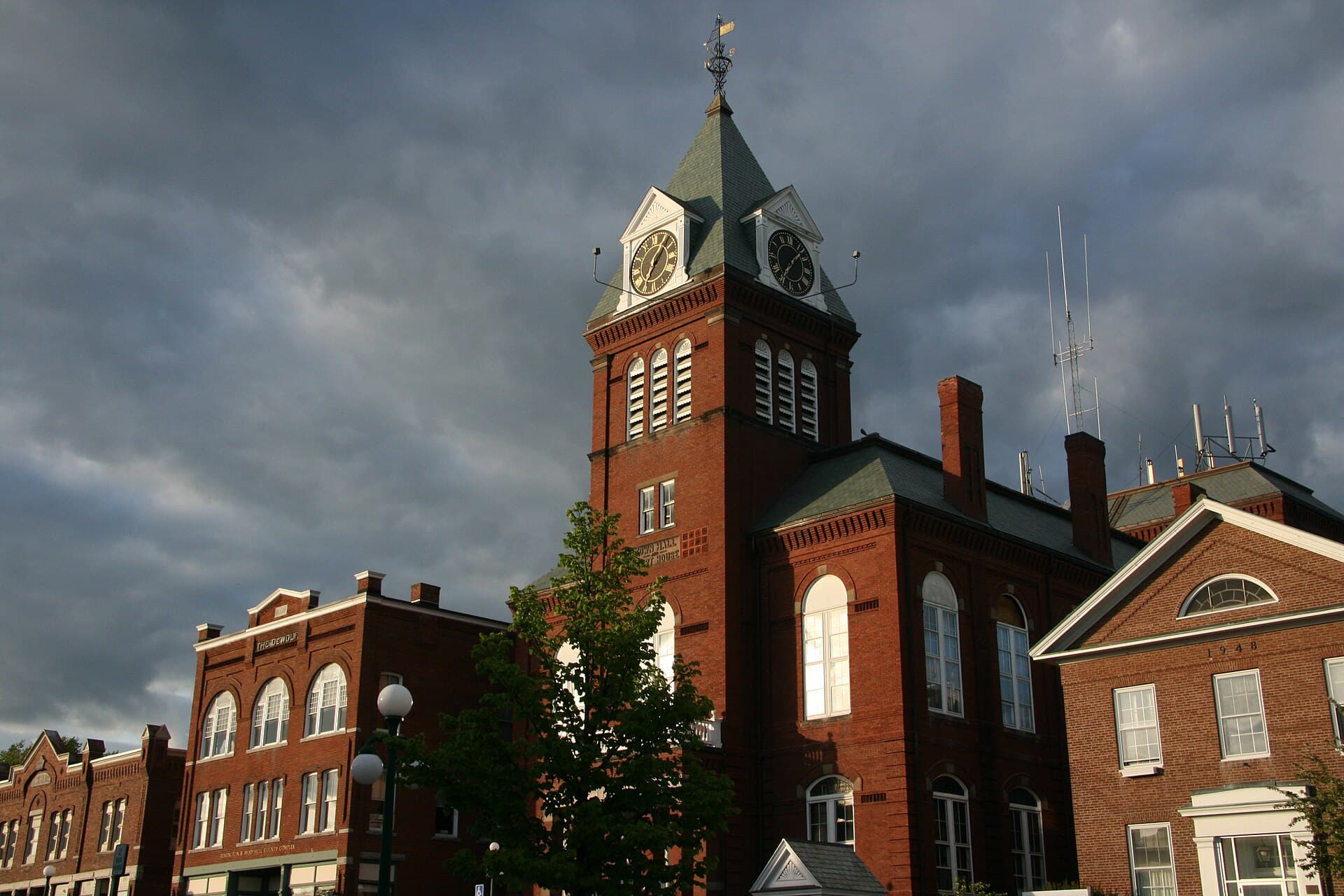
That adaptability is also why the building continues to attract attention beyond preservation circles. In 2023, New Hampshire Public Radio highlighted paranormal investigators exploring ghost stories at the local opera house, showing that the building still sparks curiosity as a living place in Newport’s cultural life. The subject may have been ghosts, but the deeper fact was plain: people still use the Opera House as a setting for new stories.
What the building does for Newport now
The Opera House still anchors downtown in ways that are both symbolic and practical. It gives Main Street a landmark that residents can orient around, and it keeps the county seat’s civic identity visible in the center of town. A building that began as a town hall and courthouse site in 1872, was rebuilt after fire in 1886, and later earned a spot on the National Register has stayed relevant by remaining part of daily community life.
That is the real measure of the Newport Opera House. It is not only a survivor of 19th-century fire and rebuilding, but a structure that has continued to serve Newport’s public life while helping define what downtown means to the people who live and work there.
This article was produced by Prism’s automated news system from verified source data, official records, and press releases, then run through automated quality and moderation checks before publishing. The system is built and supervised by the people who set the standards it runs under. Read our full AI policy.
Did this article answer your question?