Saint-Gaudens park highlights Cornish’s art history and scenic legacy
Saint-Gaudens National Historical Park still gives Sullivan County a national art landmark, with 83 acres, major sculptures, and seasonal programs that keep Cornish in the spotlight.

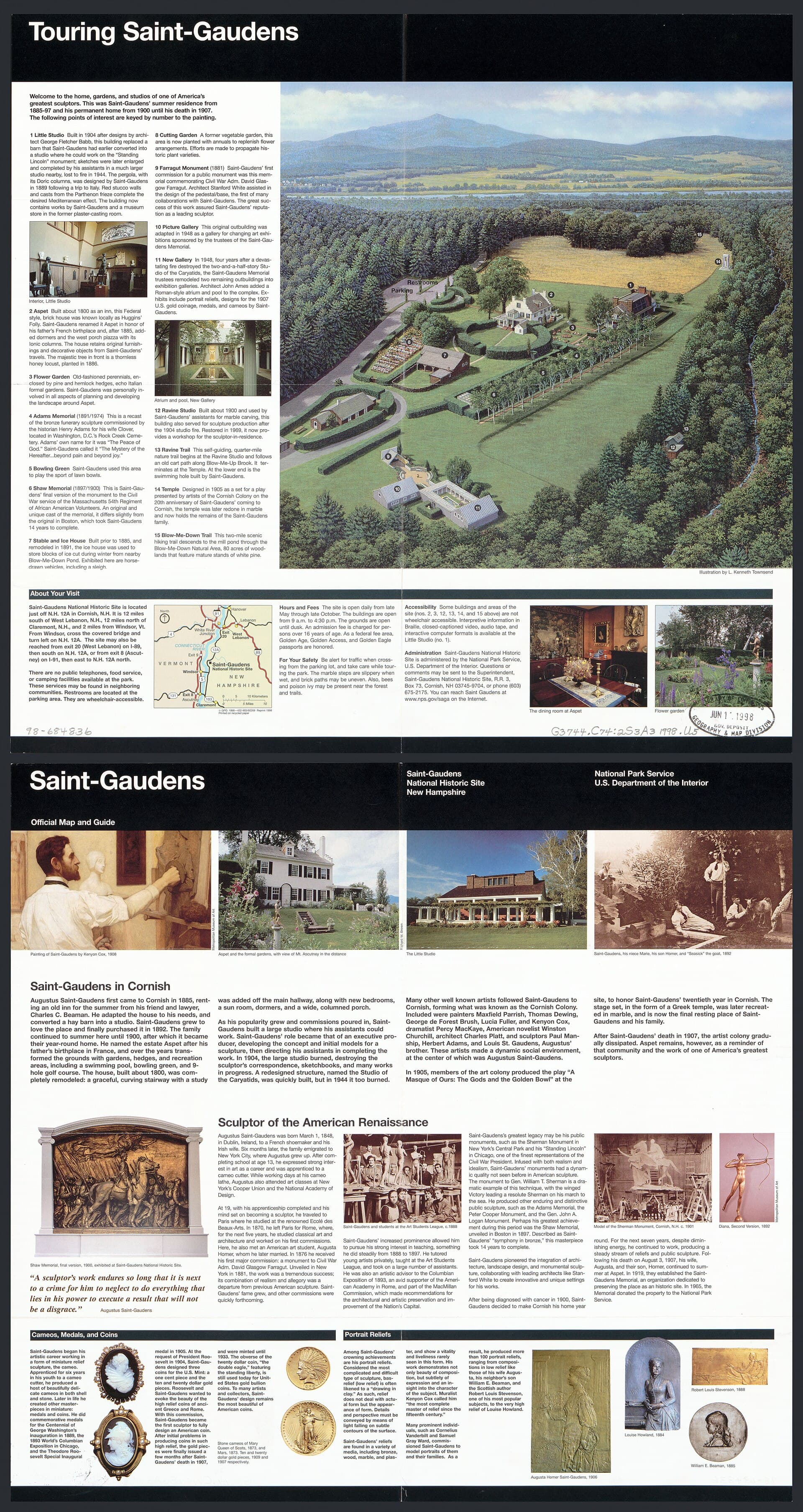
Saint-Gaudens National Historical Park gives Cornish a place in American art history that still shapes the town’s identity today. The site preserves Augustus Saint-Gaudens’s home, studio, and gardens, and it remains one of the clearest reasons people in Sullivan County can point to Cornish as more than a scenic stop on the map. For day trips from Claremont, Newport, and the Upper Valley, it offers a rare mix of landscape, sculpture, and local history in one setting.
How Cornish became an artists’ colony
The park’s story begins with Saint-Gaudens himself, the sculptor born in 1848 who became known as America’s foremost sculptor of the Gilded Age. He was drawn to Cornish in 1885 after hearing western New Hampshire described as the “land of Lincoln-shaped men,” a phrase that fit the commission he was then pursuing for Abraham Lincoln. What began as a temporary residence and studio became the summer home and artistic center of his life.
Cornish’s own history is tied to that arrival. Saint-Gaudens came looking for a studio away from the summer heat of New York City, and artist friends soon followed him north. Their presence turned the area into a popular artists’ colony, one that gave Cornish a cultural identity far larger than its size would suggest. The town’s name still carries that legacy, because the colony helped make the area known for art, conversation, and creative exchange as much as for its valley views.
What the park preserves
The park today covers 83 acres and holds more than 100 of Saint-Gaudens’s artworks on display, with the memorial also describing the collection as more than 120 works of art. Across his career, Saint-Gaudens created more than 150 works, moving from delicately carved cameos to heroic public monuments. The museum collection now includes more than 60,000 items tied to Saint-Gaudens and the Cornish Colony, and the park is said to hold the world’s largest collection of his art.

The best-known works on view help explain why the site matters beyond Cornish. They include the Farragut Monument, the Adams Memorial, Standing Lincoln, the General William Tecumseh Sherman Monument, and the Shaw 54th Regiment Memorial. The Shaw memorial alone took 14 years to complete, a reminder that the sculptures here were not quick decorative pieces but major works that shaped the visual language of public commemoration in the United States.
The park also reaches beyond sculpture into the political life of the Gilded Age. Saint-Gaudens designed the gold coin images commissioned by President Theodore Roosevelt, linking the Cornish studio to national symbolism as well as public art. That connection gives the park a broader reach than a single estate museum, because the work associated with Cornish helped define how the country imagined leadership, memory, and honor.
A living institution, not a frozen site
The Saint-Gaudens Memorial made the preservation of the property possible in the first place. It was incorporated in 1919, operated the property as a museum from 1927 until 1964, and then donated the property and many furnishings to the federal government. Since 1964, the National Park Service has preserved and interpreted the site, keeping the story of Aspet and the surrounding grounds open to the public.
That preservation matters because the park still functions as an active cultural institution. The sculptor-in-residence workshop program began in 1969 and is the oldest artist residency in the National Park Service system. The Saint-Gaudens Fellowship, created in 1978, remains an annual award for emerging artists. The memorial also supports exhibitions, concerts, fellowships, and public programs, which keeps the park connected to current artistic work rather than only to the past.
Seasonal access is part of that rhythm. Park buildings are open Thursday through Monday during the open season, which runs from Memorial Day weekend through October 31. The grounds remain open daily in the off-season, so even outside the main visitor season the setting stays available for walking, reflection, and a look at the landscape that first drew Saint-Gaudens north.
Why the legacy still matters in Sullivan County
The wider Cornish Colony was never just a local curiosity. It included painters, sculptors, writers, playwrights, essayists, landscape designers, actors, and patrons of the arts, all drawn by the scenic setting and the social life that grew up around it. The National Park Service describes the colony as a place of conversation, critique, and artistic exchange, while New Hampshire arts materials note that it also improved the local economy through home refits, businesses, libraries, and theater activity.
That civic footprint still matters in a county that often has to define itself town by town. Cornish stands apart because its historic reputation is tied not only to preservation but to creativity, tourism, and repeat visitation. For Sullivan County, that makes Saint-Gaudens a working cultural asset: a place that helps distinguish the region from neighboring areas by connecting art, landscape, and a nationally recognized story.
The town’s other landmark reinforces that identity. Cornish is home to the Cornish-Windsor Bridge, which the town describes as the longest two-span covered bridge in the world. Paired with Saint-Gaudens National Historical Park, it gives Cornish two signature attractions rooted in design, engineering, and place, each adding another layer to the town’s appeal for visitors moving through the Connecticut River Valley.
Seen together, the park, the colony history, and the bridge explain why Cornish continues to draw attention. Saint-Gaudens put down roots here in 1885, and the artistic center he built still anchors the town’s reputation more than a century later.
This article was produced by Prism’s automated news system from verified source data, official records, and press releases, then run through automated quality and moderation checks before publishing. The system is built and supervised by the people who set the standards it runs under. Read our full AI policy.
Know something we missed? Have a correction or additional information?
Submit a Tip