Sullivan County bid page tracks contracts, awards and vendor opportunities
Sullivan County’s bid page puts open RFPs, RFQs and IFBs in one place, and it also tracks recent awards so residents can watch how county money is committed.
Sullivan County’s bid-postings page is the county’s main public window into contracts, awards and vendor opportunities. It says the county routinely posts opportunities for consultants, contractors, vendors or suppliers, and it separates currently open items from recently awarded Request for Proposal, Request for Qualifications and Invitation for Bid postings.
What the page tells the public
That structure matters because it lets residents see more than a notice that work is happening. It shows what the county is asking for, who can compete for it and which jobs have already moved from solicitation to award. For anyone trying to follow how Sullivan County spends public money, that is the point where a contract stops being an internal discussion and becomes an item the public can examine.
The page also gives a direct point of contact. The county’s CivicEngage bid-postings page lists the office at 5 Nursing Home Dr, 1100 County Offices, Unity, NH 03743, with phone number 603-863-2560. That makes the page useful not only for firms looking to bid, but also for residents who want to ask where a posting came from or how a project is being handled.
Why open and awarded postings matter
The county’s decision to publish both open and recently awarded postings in one place gives the public a chance to compare the ask with the outcome. If a project began as an RFP, RFQ or IFB, the posted record can show what kind of service or construction work the county wanted and what vendor or contractor it chose after the process closed.
That matters in a county where budget choices can affect building maintenance, public works, professional services and specialized projects. A bid page is not just an administrative filing cabinet. It is where residents can see whether work is being offered through an open process and whether the county is drawing on competition before committing taxpayer dollars.
For small businesses in Sullivan County, the page is also practical. Instead of tracking bids through scattered notices, a local contractor or supplier can use one county page to monitor opportunities that may fit a shop, a crew or a specialized service. The county’s own framing makes clear that the postings are meant for consultants, contractors, vendors and suppliers, not just large outside firms.
How this fits into county governance
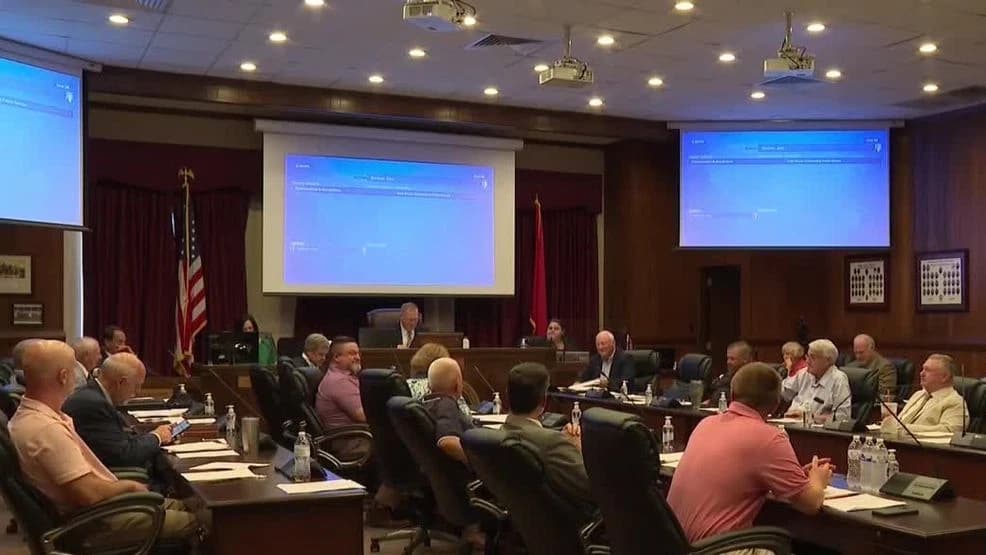
The bid page does not stand apart from county government. Sullivan County Commissioners hold regular business meetings twice a month, typically on the first and third Monday, where county business is discussed with the County Manager and department administrators. That schedule means procurement is part of a broader governing rhythm, with spending decisions connected to the public business the commissioners handle throughout the month.
In practice, that puts the bid page in the middle of the county’s decision chain. A posting may appear online, bids may come in, an award may follow and the results can then be discussed in the same county system that runs through commissioners meetings and department administration. For residents watching how public money moves, that sequence is often more revealing than a single vote.
Statewide transparency standards point the same way
Sullivan County’s page also fits a broader New Hampshire procurement pattern. The New Hampshire Department of Administrative Services says bid results are available for download after award, and its statewide bids and proposals system is available for archival and historical review.
That matters because it turns procurement into a record that can be checked after the fact, not just during the bidding window. If a resident wants to know how a contract changed over time, or whether an award followed a posted solicitation, the state system reinforces the idea that procurement records should remain visible after the decision is made.
For local accountability, that kind of archive is especially important. A current solicitation shows what the county is trying to buy now. An awarded posting shows what it actually bought. An archive makes those choices easier to compare over time.
Why the nursing home project still looms over procurement
A Sullivan County Nursing Home Update shows why residents often watch county bids closely. In March 2019, the county delegation received an estimated cost of just under $39 million for a nursing home renovation after a preliminary study by an architect and project manager selected by the county commission. The same update says the project was put out to bid in July 2020 after revisions were made to conform to new federal building standards.
That history shows how a county project can move from estimate to redesign to bid, with costs changing as requirements change. It is the kind of public work that makes a procurement page more than a notice board. When major facilities, renovations or service contracts advance, the bid postings are where the first official signs of spending, scope and competition tend to appear.
For Sullivan County residents, the practical takeaway is simple. The bid page is where county work is opened to competition, where awards become visible and where the public can track the path from solicitation to spending. In a county where big projects can reshape budgets and services, that record is one of the clearest ways to watch how money is committed before it is gone.
This article was produced by Prism’s automated news system from verified source data, official records, and press releases, then run through automated quality and moderation checks before publishing. The system is built and supervised by the people who set the standards it runs under. Read our full AI policy.
Did this article answer your question?